

A practical 40 x 50 cm press for daily garment work
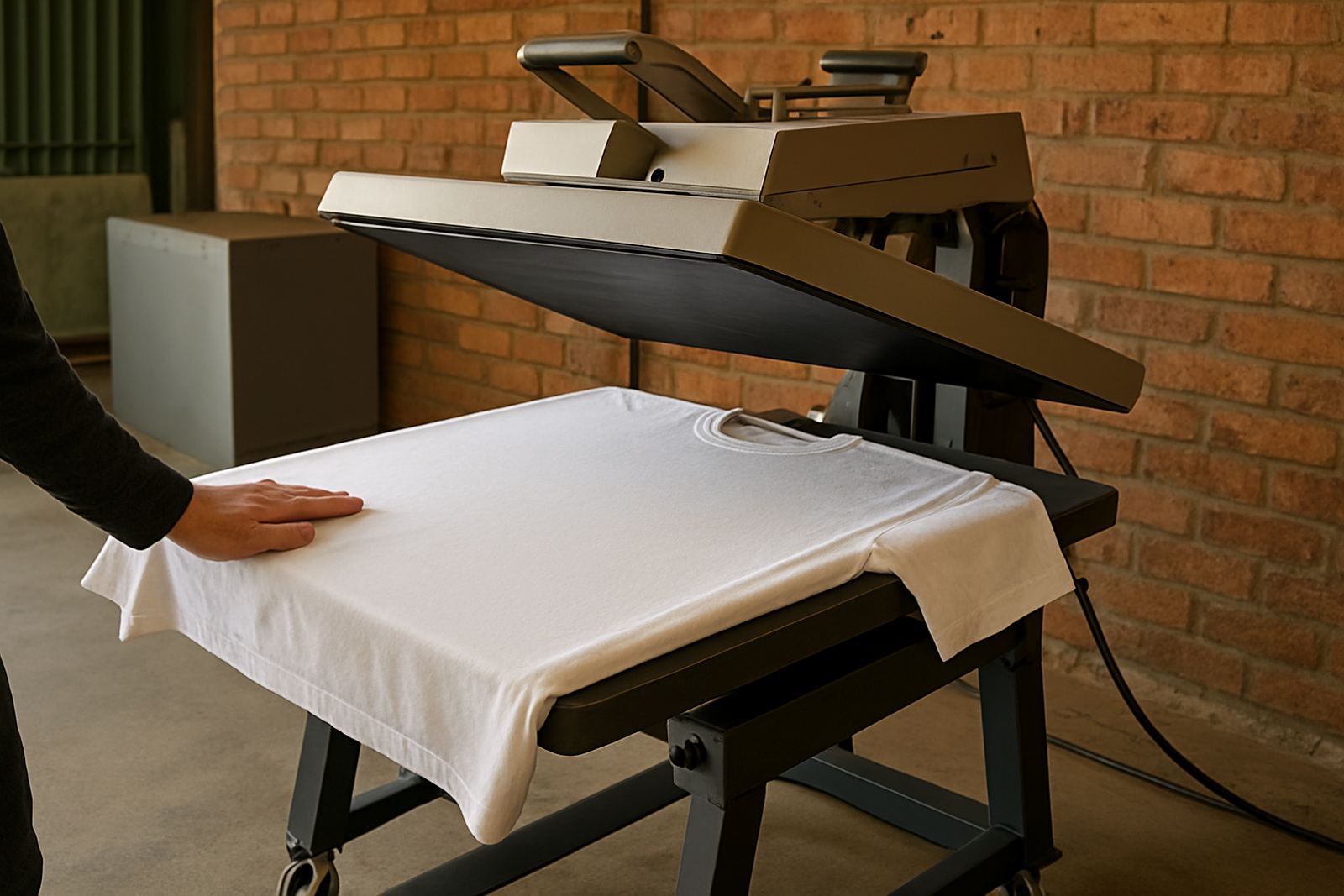
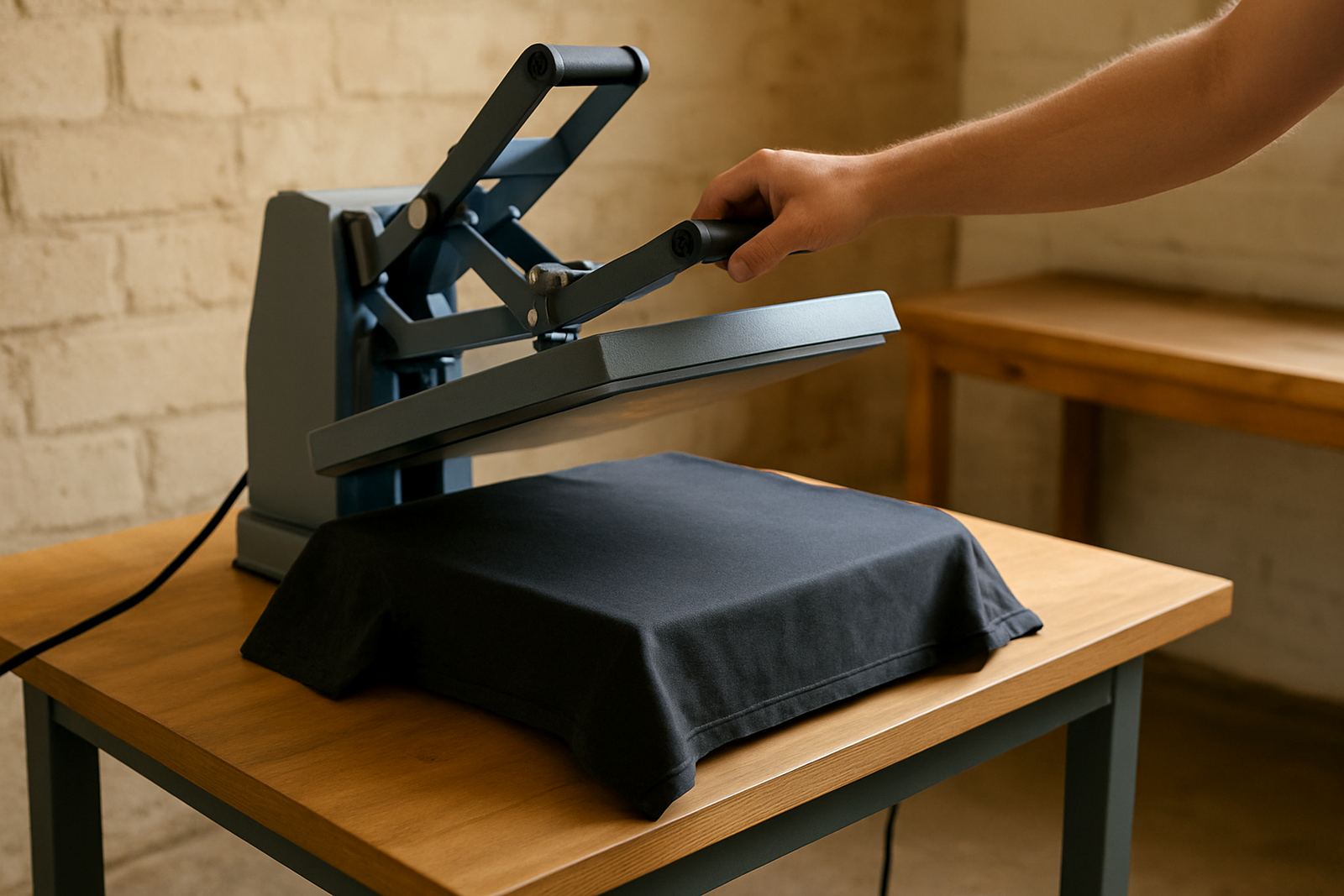
The 40x50 clamshell press is built for flat heat transfer work on cotton, polyester blends and many coated garments. The upper platen opens and closes like a shell, which keeps the footprint small on a packing bench or production table, yet still gives you enough area for adult T-shirts, back prints, tote bags and promotional items. For many South African decorators it is the first press that feels big enough for real work but still manageable by one operator.
This size suits shops that need a general purpose press for vinyl, DTF transfers, sublimation on coated items and similar flat applications. It is a manual machine, so the operator controls pressure and timing directly. That makes it simple to learn and reliable for everyday use. If you are printing from a small unit in Midrand, running a home studio in Pretoria or adding a second press in Durban, this format fits into tight spaces without taking over the room.
- Press area: 400 x 500 mm
- Manual closing action
- Suitable for flat garments and transfer work
- Compact footprint for smaller production spaces
Size options and the jobs it handles best
The 40x50 format gives you enough coverage for most standard T-shirt placements, larger chest logos and full front transfer work. It is also a good match for shops that do school wear, workwear, sports club apparel and short-run promotional garments. If you often print small left chest logos only, a smaller press may do the job, but this size gives you room to grow without forcing you to replace equipment too soon.
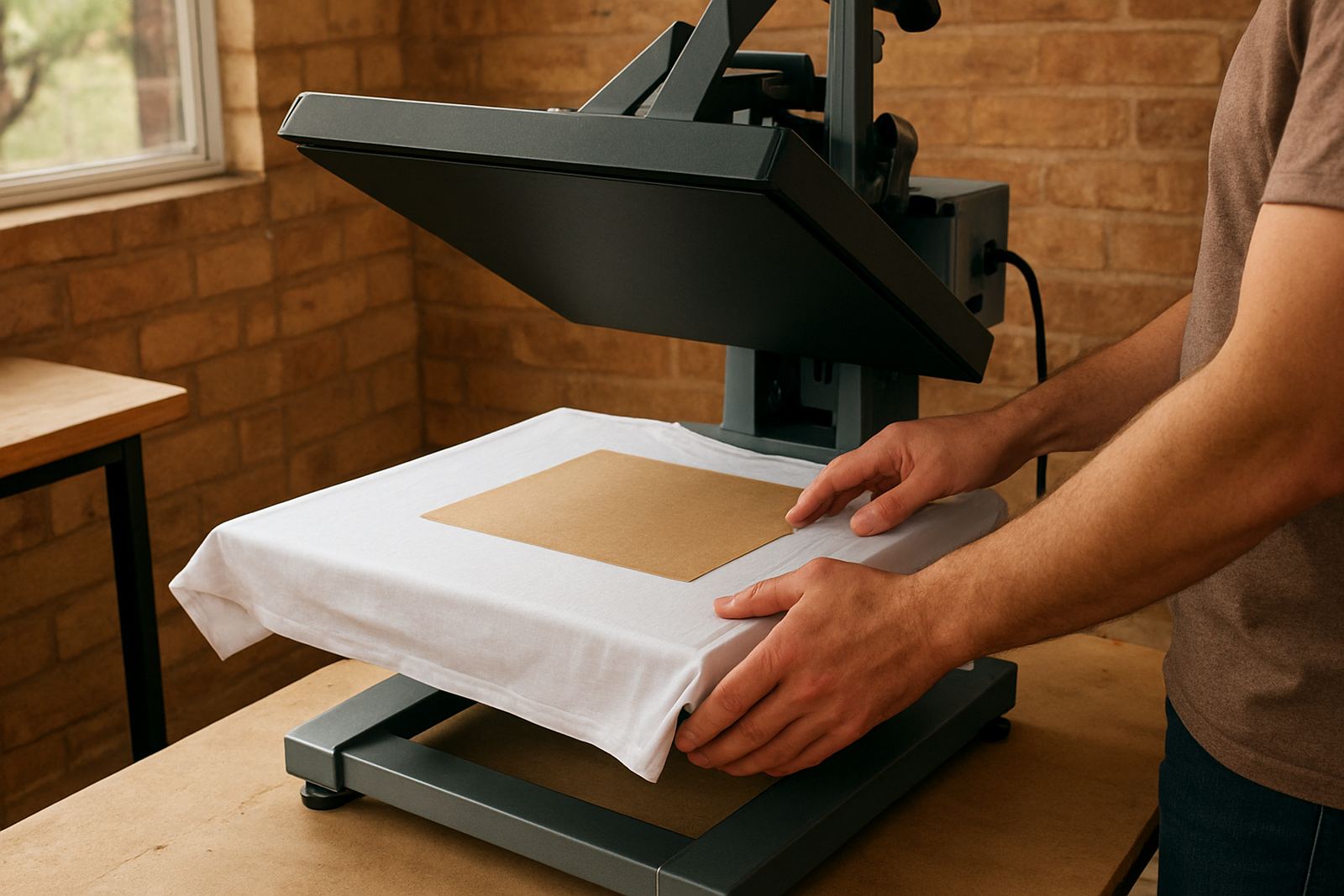
Common uses include heat transfer vinyl, printed transfer sheets, light sublimation on suitable coated blanks and re-pressing after application. It also works well for operators who need consistent platen coverage over a broader print area. Some print rooms prefer this size because it reduces the need to reposition garments mid-job, which helps when you have higher volume or one person running the line.
- Adult T-shirts and hoodies, where the garment allows flat pressing
- School wear, sportswear and branded uniforms
- Tote bags, aprons and similar flat items
- Short-run promotional orders and sample production
Setup, space and power requirements in South Africa
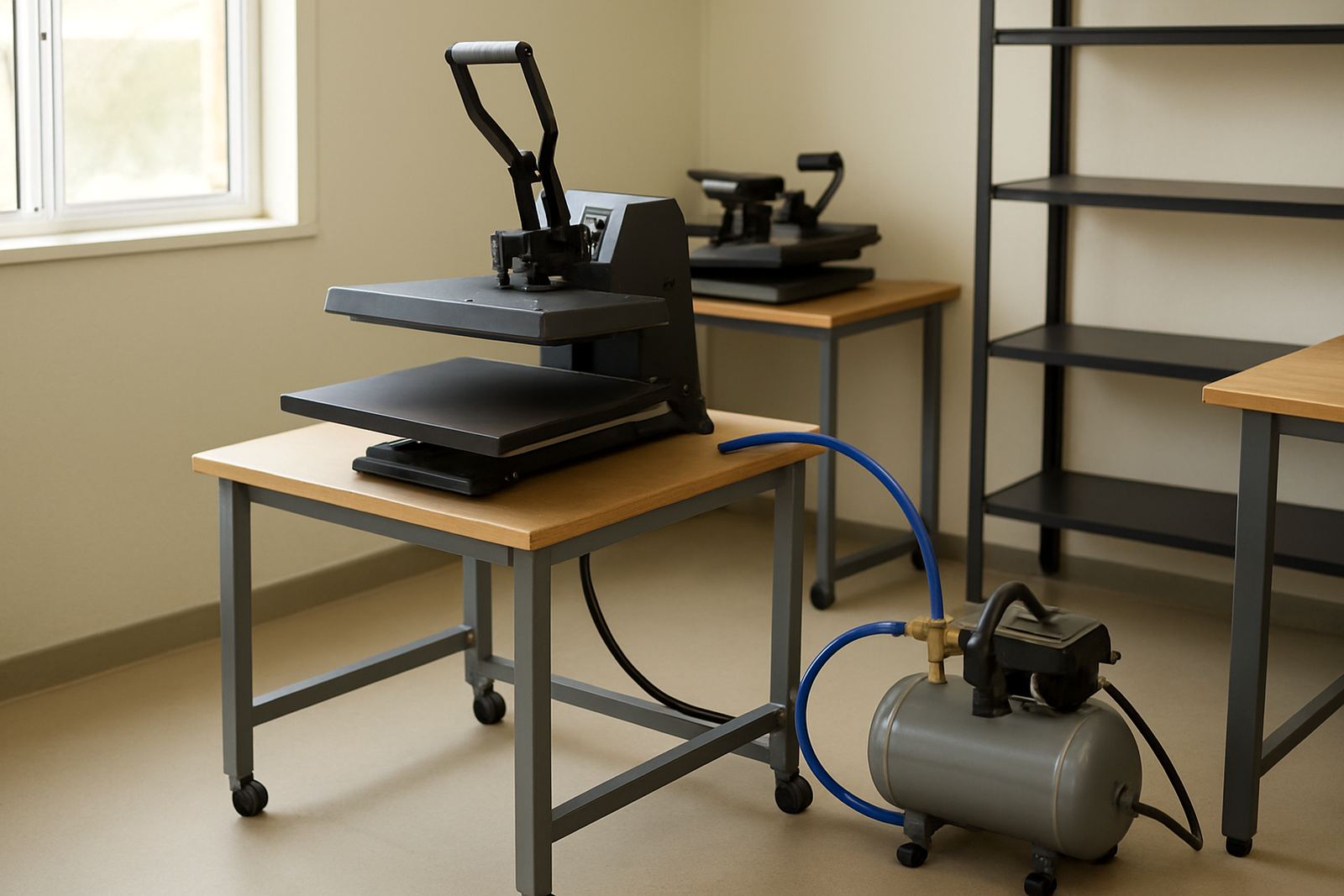
Installation is straightforward, but it helps to place the press on a solid table or steel stand that does not flex under pressure. The machine should sit level, with enough clearance for the top platen to open fully and for the operator to load and unload garments comfortably. In a busy shop, a stable surface makes a real difference to pressure consistency and operator fatigue.
For power, allow for a standard electrical supply suitable for heat press use and make sure the circuit is protected correctly. In areas where load-shedding is still part of daily planning, some print shops keep the press on a surge-protected point and schedule jobs around warm-up time. In coastal areas like Durban or Cape Town, it also pays to keep the unit dry and clean, because humidity can affect transfer handling and storage. No gas line is needed for this model, and that keeps setup simple.
- Needs a stable, level work surface
- Single operator use with clear loading space
- Electric heating, no gas connection required
- Surge protection recommended where power quality is unstable
Pressure, temperature and production control
Good results depend on repeatable settings. With any clamshell heat press, the operator should match temperature, pressure and dwell time to the transfer type and fabric. Too little pressure can leave edges lifting, while too much can mark the garment or crush the print. The 40x50 press is suited to everyday production because it gives you direct control and fast cycle times once your settings are dialled in.
For shops that handle mixed work, it is worth keeping a written setup sheet for common jobs. That makes training easier and reduces waste when staff rotate between machines. If the press is used for long runs, check the pressure through the day because heat expansion and repeated use can change the feel slightly, especially in warmer conditions or during a long summer shift. A quick test press on scrap fabric can save a costly run.
- Set temperature by transfer type and garment
- Adjust pressure for fabric thickness
- Use timed cycles for consistent output
- Record favourite settings for repeat jobs
Care, servicing and spare parts that keep it earning
Like any production tool, a heat press lasts longer when it is cleaned and checked regularly. Keep the platens free of adhesive build-up, lint and transfer residue. Inspect the pad and covering for wear, because a tired pad can cause uneven pressure and poor print release. If the controller starts reading incorrectly or the heating seems uneven, it should be checked before the machine is pushed harder. Ignoring small faults usually becomes more expensive later on.
FlatPress supports these machines with setup, training, phone tech support, temperature checks, pressure adjustments, controller repairs, element replacements, pad and covering work, preventive servicing, spares supply and loan unit support where needed. That kind of back-up matters to small decorators who cannot afford to stop for long. It also helps larger print shops keep a spare plan in place during peak season. In practice, a press that is serviced on time simply earns more days on the floor, not sitting idle in the corner.
- Clean platens and remove residue regularly
- Check the pad, cover and pressure settings
- Test temperature accuracy during servicing
- Replace worn parts before they affect output
What to confirm before ordering this press
Before ordering, confirm the garment types you print most often, your expected daily volume and the space where the machine will sit. If you handle heavier workwear or thicker substrates, say so upfront so the right pressure range and workflow advice can be given. It also helps to know whether the press is for a first setup, a workshop upgrade or a second machine for higher output.
You should also check how the press will be delivered to your site, whether a training visit is needed and who will be using it day to day. For customers in Johannesburg, Pretoria, the East Rand, West Rand, Durban, Cape Town, Bloemfontein and other towns nationwide, courier delivery can be arranged, with setup and support planned around the job. If your team is new to heat pressing, proper training from the start prevents wasted transfers and keeps stock losses down. That part is often overlooked, but it pays off quickly.
- Confirm garment types and transfer materials
- Check table space and electrical access
- Decide whether training is needed on delivery
- Plan for servicing and spare parts support
Key facts
| Model | 40x50 clamshell heat press |
|---|---|
| Platen size | 400 x 500 mm |
| Operation | Manual clamshell action |
| Use case | T-shirts, transfers, tote bags and similar flat items |
| Power | Electric heated press, standard supply required |
| Support | Setup, training, servicing and spares from FlatPress |