What a 40x50 drawer press is used for
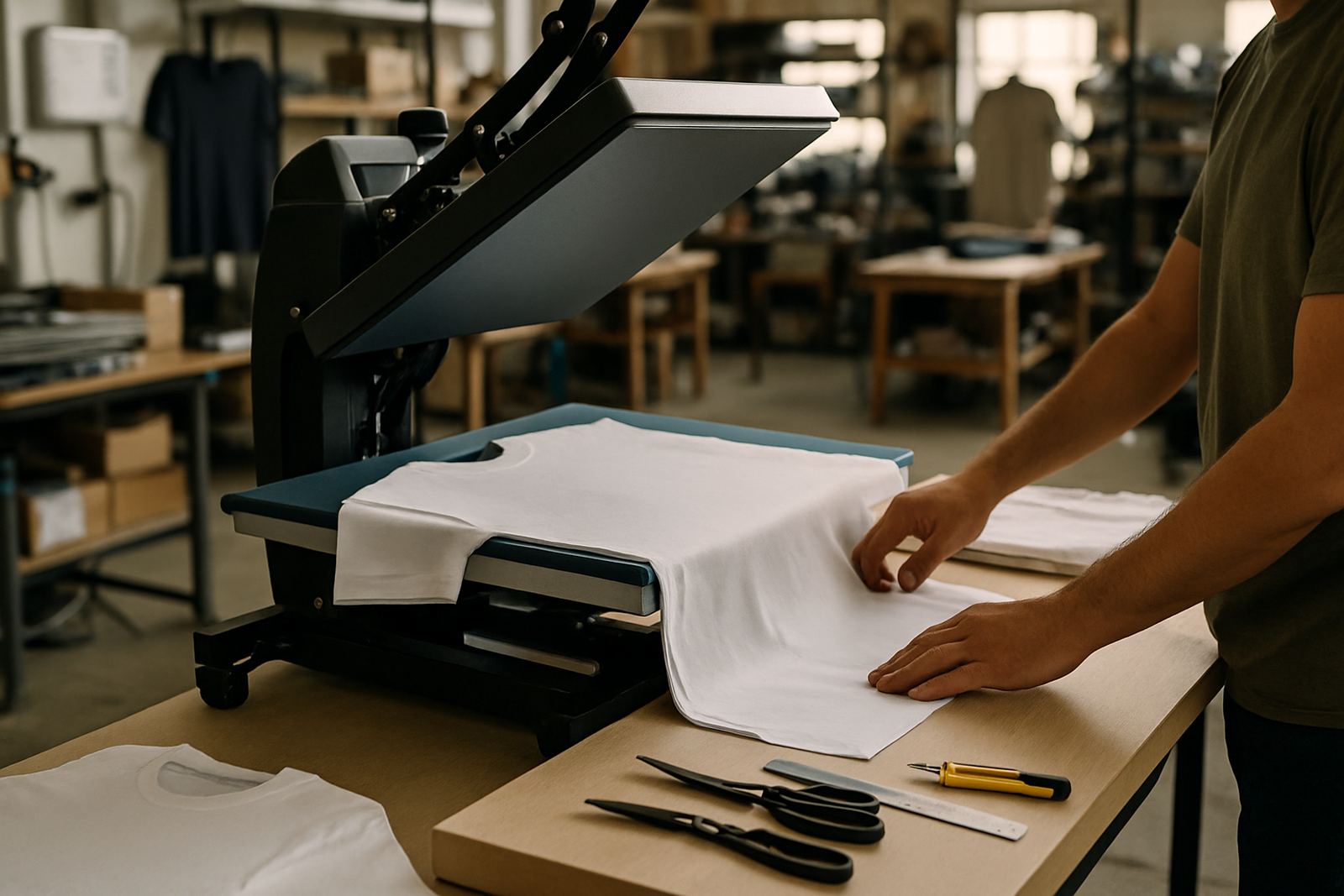
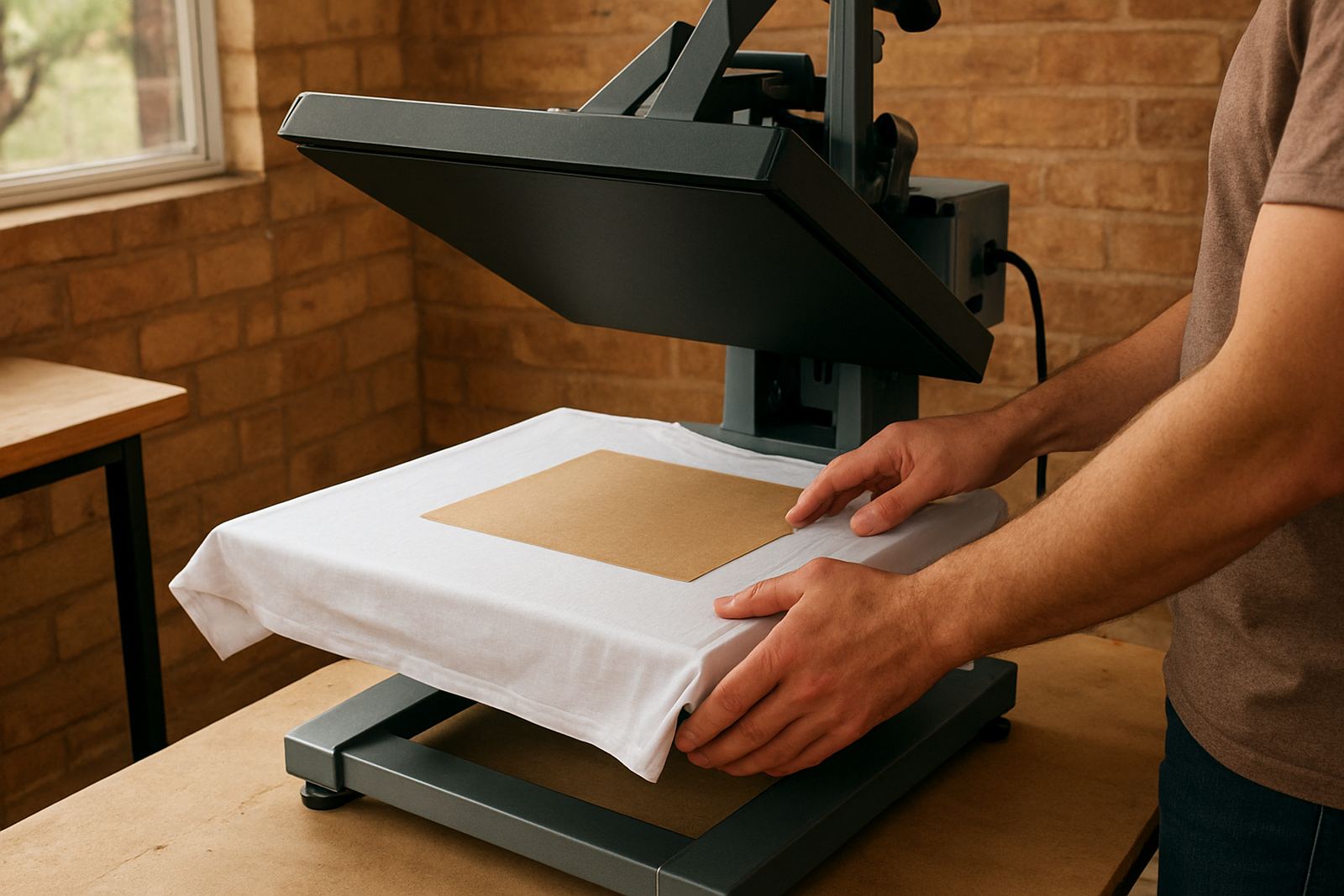
A 40x50 drawer press is a flat heat press with a pull-out lower platen, so the garment stays in front of you while the upper platen stays out of the way. That makes it easier to line up prints, place neck labels or transfer positions, and keep hands away from heat during busy production runs.
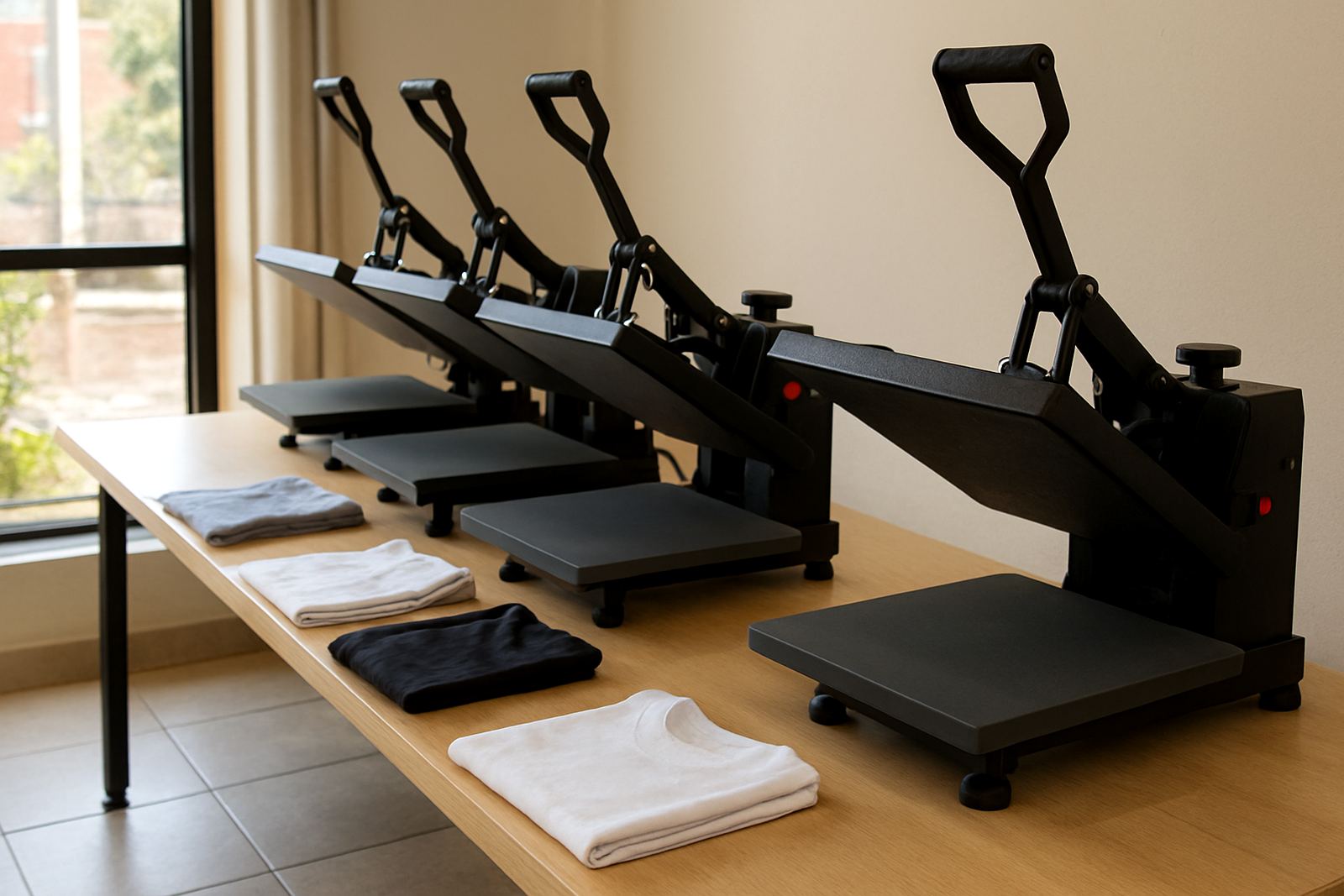
This size is a strong fit for short-run garment decorators, school wear printers, sports clubs, custom clothing businesses and print shops that need a practical all-round press for T-shirts, hoodies, tote bags and flat panels. It is also a good step up for hobbyists who want a machine that can handle bigger artwork without moving into a very large industrial unit.
For daily work, the main advantage is simple: quicker loading, better visibility and less faffing around with garment placement. On a long day of pressing, that saves time and helps reduce misprints.
Sizes, platen layout and working space
The 40x50 working area gives you enough room for standard adult chest prints, larger transfer sheets and a wide range of transfer applications. It is often used for front prints, back prints and oversized graphics where smaller platens feel cramped.
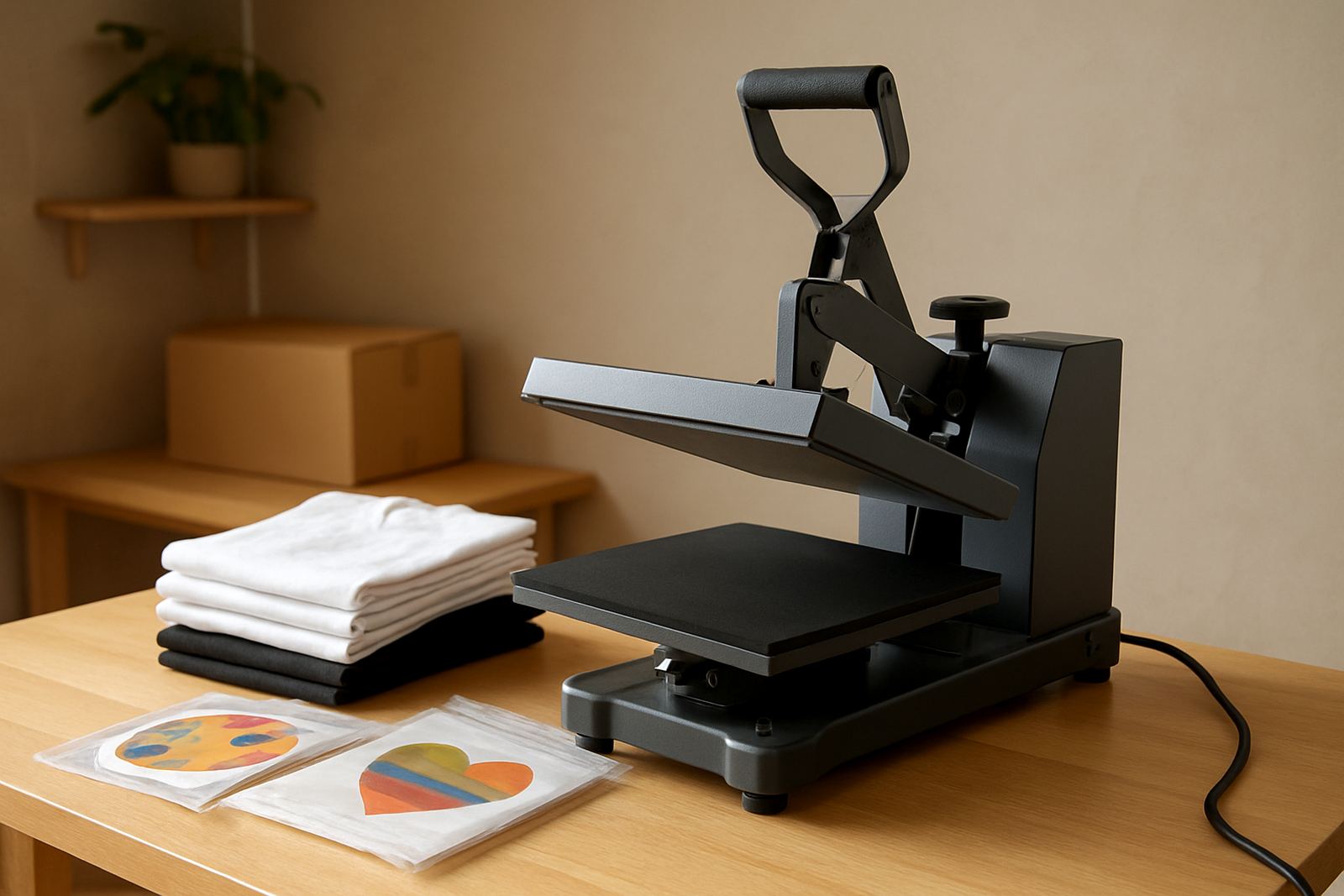
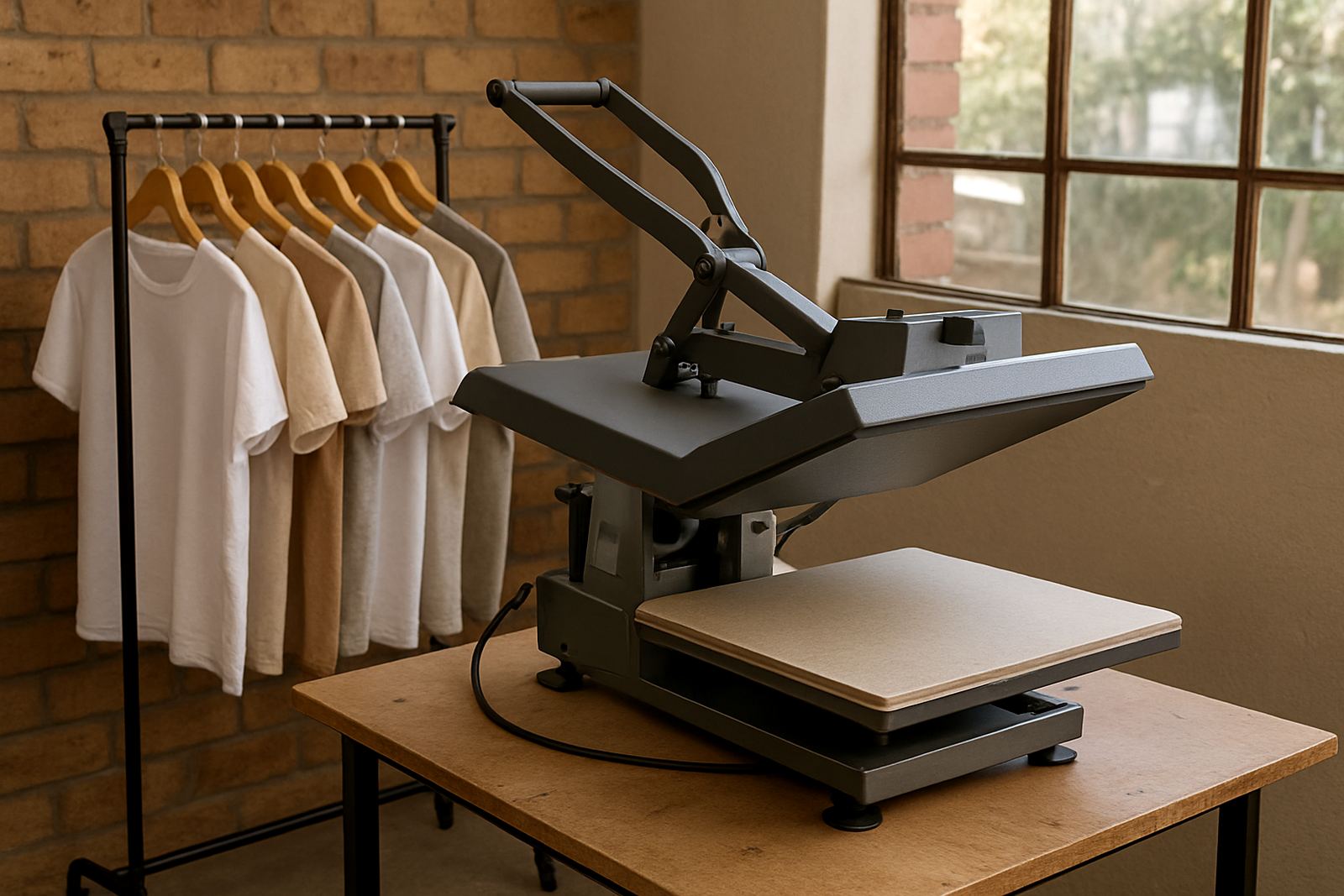
Typical build features include a flat upper platen, a drawer-style lower platen, digital temperature and time controls, and a pressure adjustment mechanism for different fabric thicknesses. Some units are manual clamp presses while others are supplied with a more balanced closing action for easier day-to-day use.
- Working platen size: 40 x 50 cm
- Suitable for T-shirts, hoodies, tote bags and flat textile items
- Drawer loading gives better access for alignment
- Digital control for temperature and timer settings
- Pressure adjustment for light and heavier garments
If you are pressing in a tight room, also allow space in front of the machine for the drawer to slide open fully. That matters more than people expect, especially in small workshops in Midrand, Johannesburg or Pretoria where every square metre counts.
Where this press suits best
This model suits businesses that need repeatable output rather than a one-off hobby machine. It works well in garment decorating studios, small print shops, garment factories, trophy and promotional businesses, and home-based operators who already have regular orders coming in.
It is especially useful for:
- Vinyl heat transfers and printed transfer sheets
- DTF transfer pressing on cotton, polycotton and many blends
- Sublimation work on compatible polyester garments and blanks
- Names, numbers and branding on sportswear
- Neck labels, sleeve marks and left chest logos
In humid coastal areas like Durban and Cape Town, it helps to keep transfers and garments stored properly before pressing. Moisture in the room can affect adhesion and finish, so a dry packing area and stable storage conditions are worth keeping in place.
Installation, power and workshop needs
Most 40x50 drawer presses run on standard single-phase mains power, which makes them practical for workshops across Gauteng and nationwide. Before installation, check the available supply, plug type and breaker capacity, especially if you are running several heaters, compressors or a dryer from the same board.
A clean, level surface is important. The machine should sit steady, with enough clearance for the drawer to open safely and for the operator to move around the front of the unit. Keep the area free of loose cords, rolls of transfer material and offcuts so the work flow stays safe.
Because load-shedding can interrupt production, many operators plan around stable pressing windows or use backup power solutions where practical. If the machine is switched off mid-cycle, allow it to return to temperature before resuming work and always check the first print after a power interruption.
- Single-phase electric supply is typically used
- Allow front clearance for drawer movement
- Keep the press on a level, heat-safe surface
- Plan for stable power where load-shedding affects output
Setup, training and after-sales support
Getting the press set up properly makes a real difference to output quality. We assist with new press setup, operator training, temperature checks and pressure adjustments so the machine is matched to the work you are doing. That is useful whether you are a first-time buyer in the East Rand or a production shop in Bloemfontein needing consistent daily results.
Training covers safe loading, setting time and temperature, checking pressure, pre-pressing garments where needed and spotting when a transfer needs a different setting. A good operator should know how to read the press, not just run it.
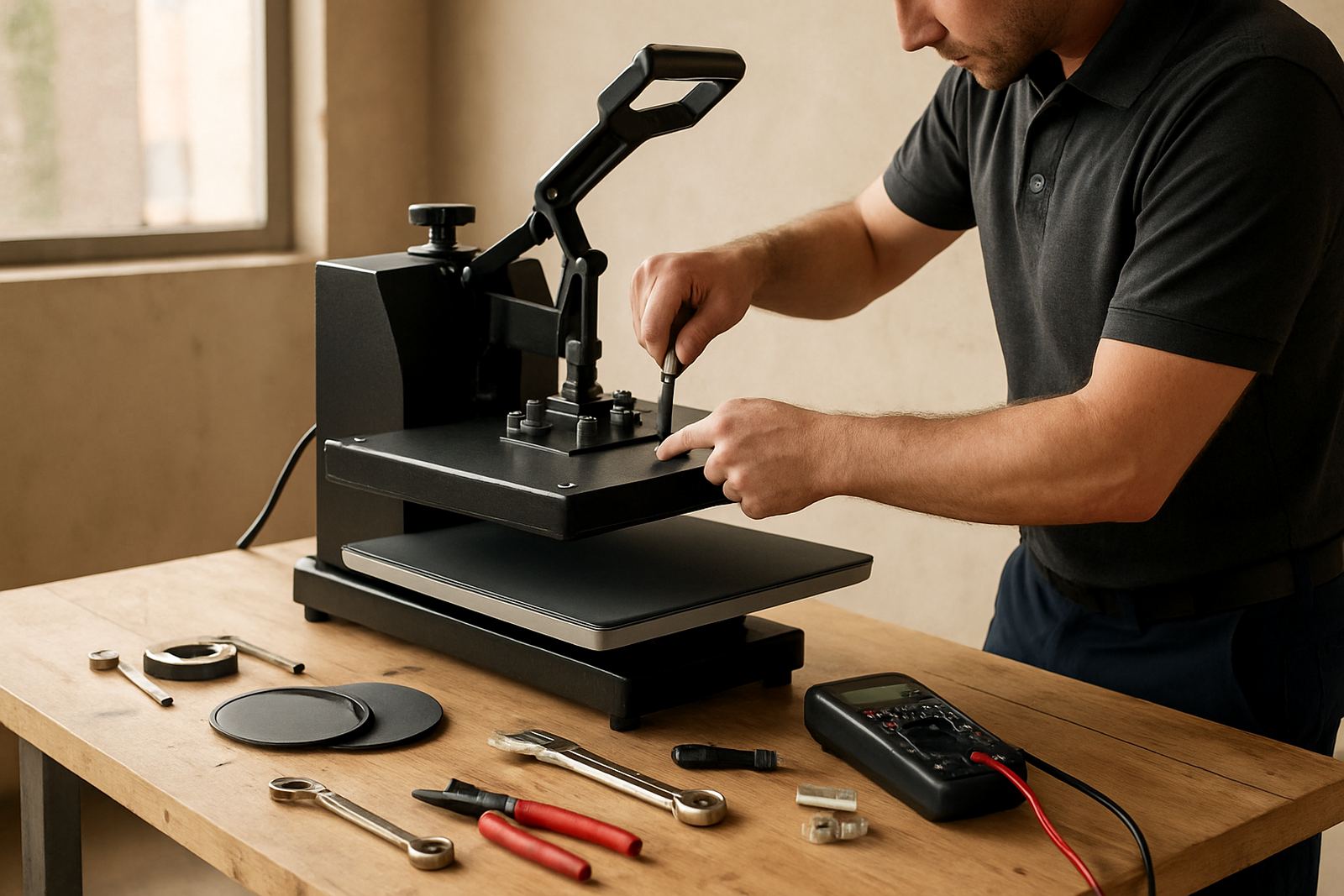
We also handle phone tech support, preventive servicing and spares supply. If a controller, heating element, pad covering or pressure part needs attention, the machine can often be kept in service with the right support and not a full replacement.
- New press setup and commissioning
- Operator training for daily production
- Phone support for common pressing issues
- Temperature checks and pressure adjustments
- Preventive servicing and spare parts supply
Care, servicing and common wear points
Heat presses last better when they are cleaned and checked regularly. Wipe the platen surfaces when cool, keep the drawer rails clear of dust and adhesive build-up, and inspect the silicone pad and covering for flattening or scorching. If the pad starts marking garments or the pressure feels uneven, it is time for attention.
On a busy shop floor, the common wear points are the heating element, controller, pressure mechanism and pad covering. A machine that is used every day will need periodic checks to keep temperature even across the platen. That matters for transfers, because hot spots and cold spots can lead to poor adhesion or patchy finish.
For workshops near the coast, corrosion and humidity can also affect exposed metal parts over time. Keep the machine dry and covered when not in use, and avoid storing it in a space where condensation forms overnight. A bit of routine care saves a lot of downtime, no doubt about it.
What to check before you order
Before ordering a 40x50 drawer press, it helps to match the machine to your print process and production volume. The right checks upfront reduce delays when the press lands in your workshop and make sure you are ready to start work straight away.
- What size garments and artwork you press most often
- Whether you need manual, semi-automatic or pneumatic operation
- What power supply is available at your premises
- How much floor space you have for the drawer and operator movement
- Whether you need training, installation or servicing support
- If you want spare pad covers, replacement elements or controller support on hand
If you are unsure, send your requirements through the enquiry form on our contact page and we will help you match the press to the work you do. That is often the best way to avoid buying too small, or ending up with a machine that is bigger than your setup can comfortably handle.
Key facts
| Product type | Flat drawer-style heat press |
|---|---|
| Working size | 40 x 50 cm |
| Main use | T-shirt and transfer pressing |
| Loading style | Pull-out lower platen drawer |
| Power | Electric, single-phase supply typically used |
| Support | Setup, training, servicing and spares available nationwide |