What a Sleeve Platen Press Does in Daily Work
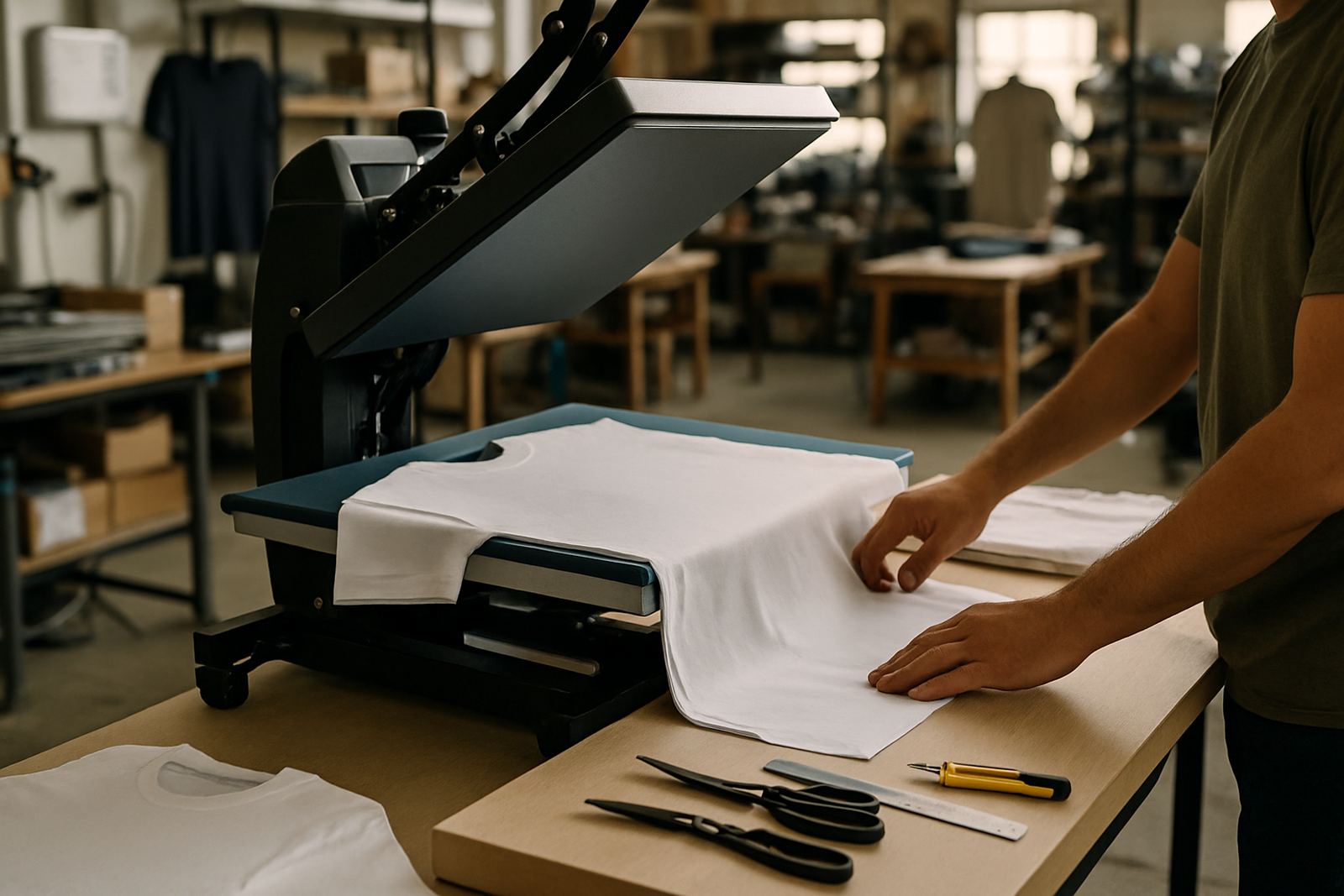
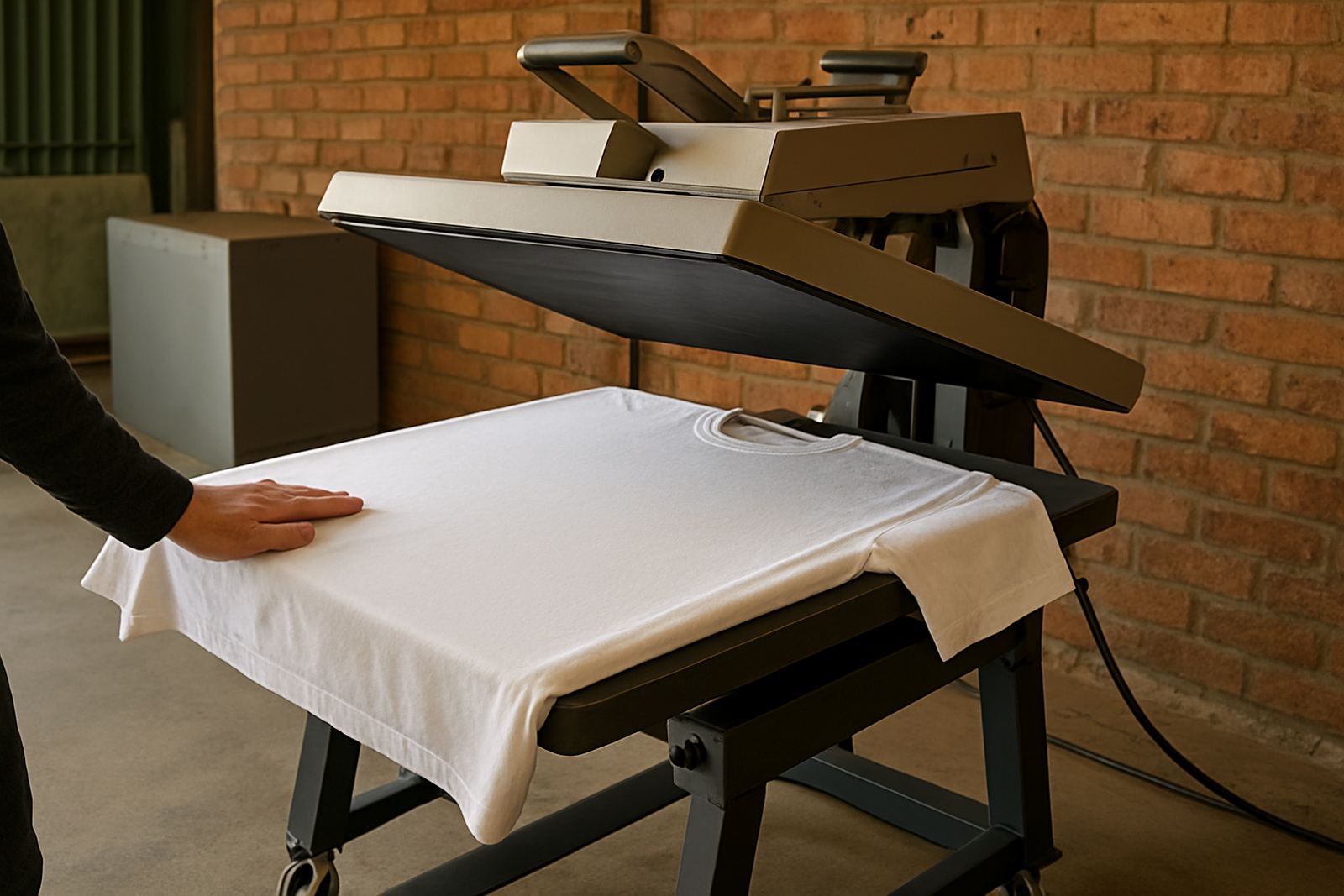
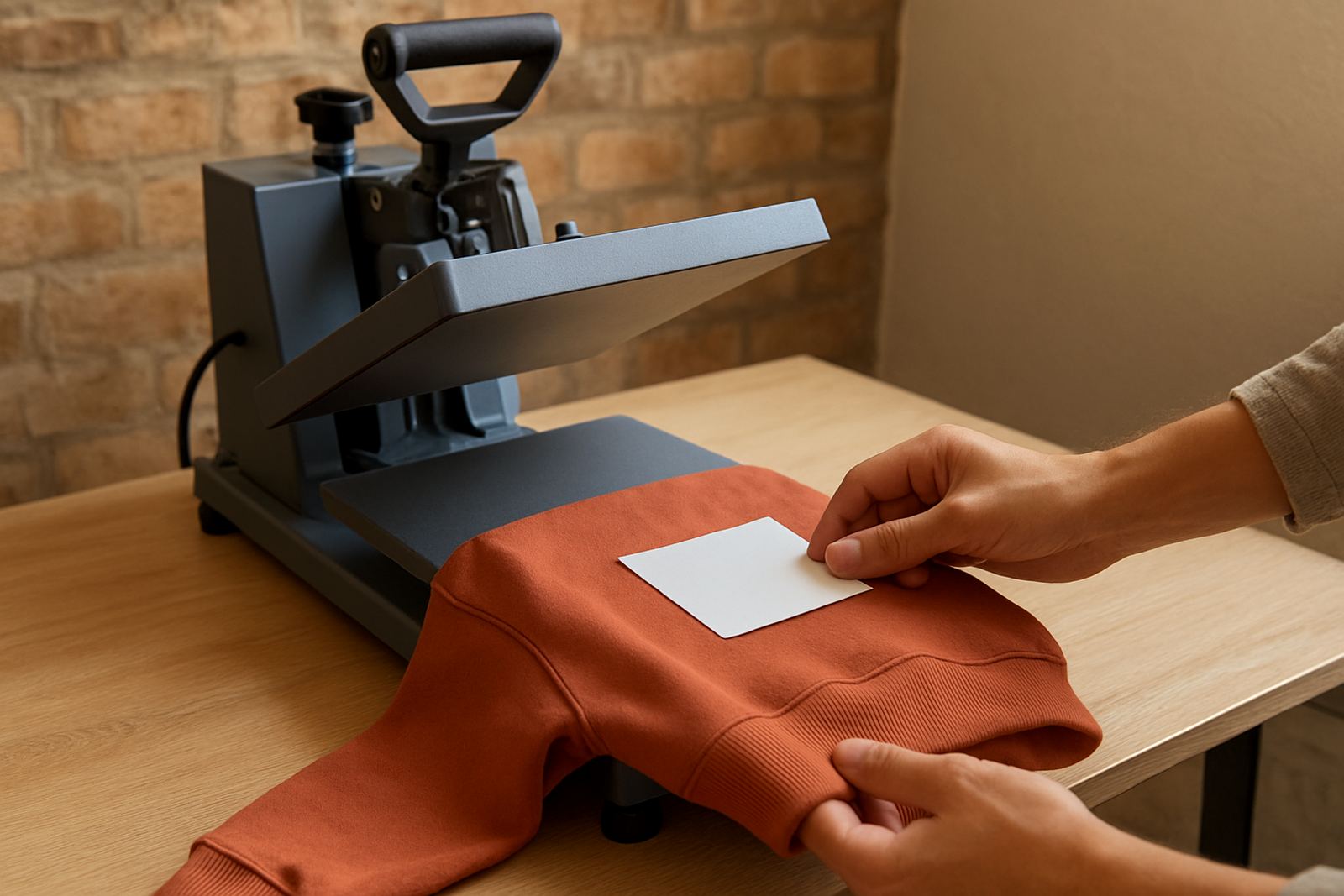
A sleeve platen is the narrow lower plate used with a flat heat press when the job is too small for a standard platen. It gives a firm base for transfers on sleeves, jogger legs, workwear cuffs, baby garments and narrow chest placements. For decorators in Johannesburg, Pretoria, Durban or Cape Town, it helps keep the garment flat and the transfer where it should be, instead of chasing folds and seams.
Because the surface is slimmer, you get better control on items that would otherwise bunch up under a full size platen. That matters when you are working with cotton tees, poly blends and lightly textured fabric. It is also useful for short runs and sample work where the placement must be exact the first time, not after a second press. A good sleeve platen can save time, vinyl, and a fair bit of frustration.
We supply sleeve platen presses for small startup rooms, home-based decorators and established shops that want a second station for narrow work. If you already have a main flat press, a sleeve platen extends what that machine can do without taking up much extra space.
Sizes and Options to Match the Garment
Sleeve platens come in different widths and lengths, depending on the sleeve opening and the placement you need. Common sizes suit standard adult sleeves, ladies cuts, children’s garments and trouser legs. The right size depends on the work you do most often, because too wide a platen can still make a small item shift around.
Typical options include:
- Narrow sleeve platen for standard T-shirt sleeves
- Longer slim platen for trouser legs and tracksuit bottoms
- Compact platen for babywear, cuffs and small logos
- Interchangeable plate setups for shops with mixed production
Some presses use a fixed narrow lower platen, while others allow a quick swap from the main platen to a sleeve platen. If your team handles school wear, sportswear or branded workwear, a changeable setup can make day to day production easier. We can help you choose a size that matches your garment range, not just the size on paper.
Where It Fits Best In South African Press Rooms
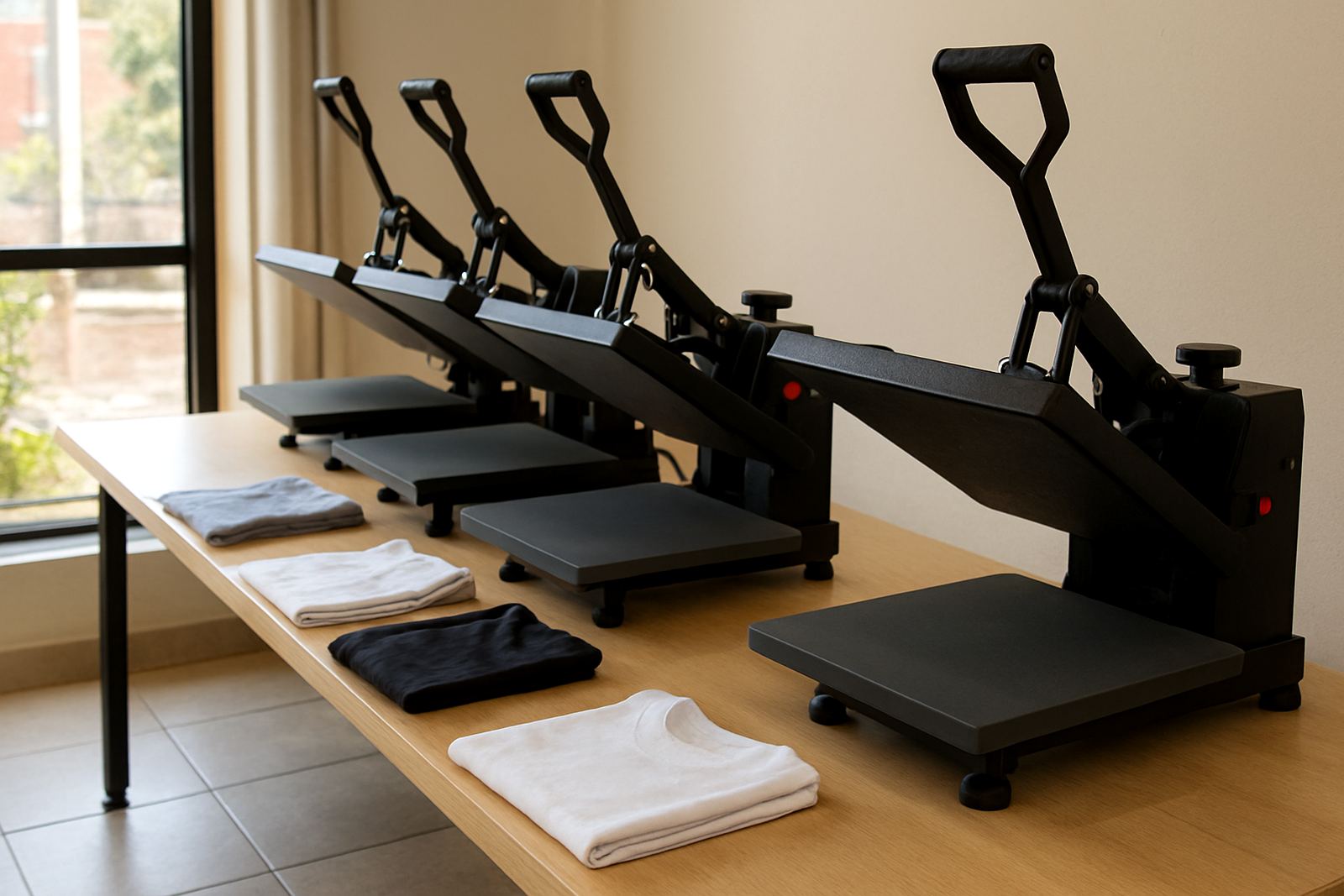
This type of press suits garment decorators that do transfer work on sleeves, leg placements and narrow branding zones. It is especially handy for schools, sports clubs, contractor uniforms, hospitality wear and promotional clothing. In a busy shop, it can be used alongside a standard press so the main platen stays free for full front and back jobs.
It also works well where space is tight. A sleeve platen press does not need a large footprint, so it fits into a small Midrand workshop, a home production room in the East Rand, or a growing print room in Bloemfontein. If you are running jobs after hours or during load-shedding windows, a compact press setup makes planning easier and less disruptive.
- Ideal for sleeve prints, trouser legs and left chest placements
- Useful for DTF, vinyl and transfer applications
- Suitable for small runs, custom orders and samples
- Helpful where garment size and shape change often
For shops that print different garments every week, the narrow platen gives better repeatability. You are not guessing where the transfer will land, and you are less likely to press over seams or zip areas.
Installation, Power and Setup Notes
Most sleeve platen presses are installed as part of a flat heat press system or as an add-on platen. Installation is straightforward, but the press still needs a level work surface, enough clearance for the handle or swing action, and a stable power supply. In many South African workshops, the real issue is not fitting the machine, it is making sure the circuit can handle the load together with heaters, cutters and compressors.
Check the electrical rating before ordering. Smaller electric presses usually run from standard single phase power, but you still need a proper socket, correct cabling and protection against power surges. If your shop uses a generator or inverter during load-shedding, confirm that the unit can handle the start-up draw and the temperature recovery. A weak supply can cause slow heat-up and uneven pressing, which is not good when you are under pressure and the order book is full.
For pneumatic or semi-automatic setups, make sure the air line is dry and clean. Moisture in the line can affect pressure consistency and shorten the life of seals and valves. If you are setting up a new press in Gauteng or arranging courier delivery nationwide, we can advise on the space, power and air requirements before the machine lands at your door.
Care, Cleaning and Preventive Servicing
A sleeve platen press lasts longer when it is kept clean and checked often. Transfer residue, lint and adhesive build-up can affect the surface and make the platen uneven over time. Wipe the plate when it is cool enough to handle, and keep covers in good condition so the garment does not pick up marks.
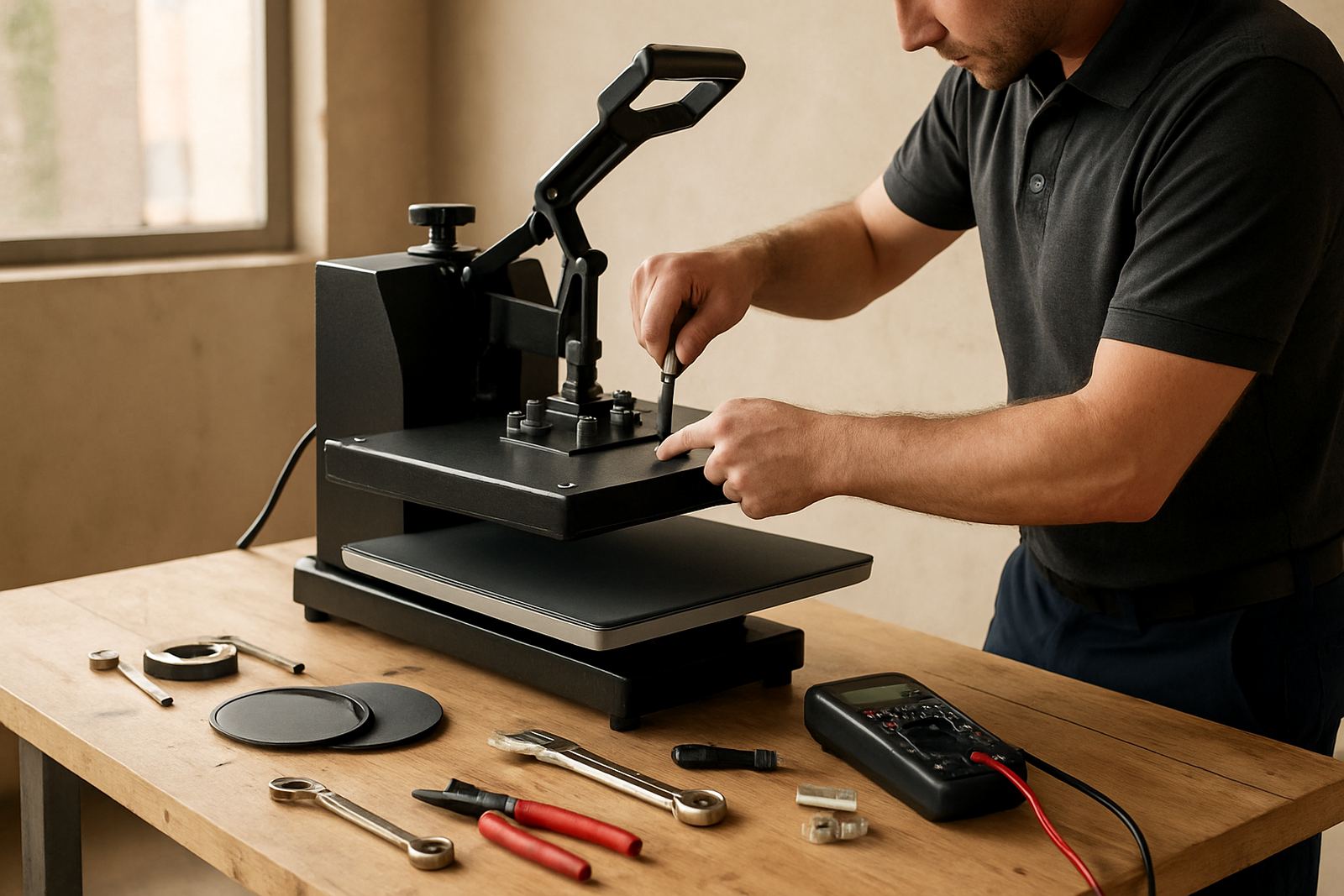
Regular servicing should include temperature checks, pressure adjustment and inspection of the element, controller and padding. On busy lines, the platen can drift out of calibration after heavy use, especially where the press runs all day or in coastal humidity. Durban shops often notice this sooner than inland shops because moisture and heat can change how materials behave. A quick check now and again is better than finding out on a rushed order.
- Check temperature accuracy with a reliable tester
- Inspect pressure points and pad wear
- Look for loose fittings or uneven heating
- Replace covers before they become glossy or thin
If a press starts taking longer to recover heat, or the pressure feels inconsistent, it is worth booking support early. Small faults usually cost less to sort out than a failed production day.
What to Check Before Ordering This Press
Before ordering a sleeve platen press, confirm the garment types, the width of the sleeve or leg opening, and the kind of transfers you use. A shop doing fashion tees will need a different setup from a workwear printer handling heavy polycotton or thick seam lines. If you are printing on babywear or narrow cuffs, ask for the smallest practical platen, not just the most common one.
You should also check the following:
- Whether the platen is fixed or interchangeable
- The press size and the available workshop space
- Power requirements and phase supply
- Heat recovery time between jobs
- Whether spare covers, elements and controllers are available
- If operator training is included with delivery or setup
If your team works across more than one branch, it helps to standardise the platen sizes so operators do not waste time adjusting to different setups. Our Midrand team supports clients in Johannesburg, Pretoria, the East Rand, West Rand, Durban, Cape Town and Bloemfontein with setup, training, spares and technical support. When you enquire, we will help you match the press to the garment, the workload and the space you have available.
Support for Setup, Training and Spares
A sleeve platen is simple to use, but proper setup still matters. Pressure, dwell time and placement all change depending on fabric type and transfer material. That is why we support new press setup, operator training, phone technical support and preventive servicing for small shops and professional print rooms alike.
If you need an element replacement, controller repair, pad and covering service, or a loan unit while your press is being worked on, we can assist through our Midrand base and courier support nationwide. Our workshop team and installations crew handle practical issues that affect production in the real world, not just on a spec sheet. From a single sleeve platen to a full pressing line, the aim is the same: steady output, fewer stoppages and good results on every order.
When you are ready to choose a sleeve platen press, tell us what you print, the garment sizes you work with and whether you need electric or pneumatic operation. That gives us enough detail to point you to the right unit and avoid costly guesswork.
Key facts
| Product type | Narrow flat platen for sleeves, trouser legs and slim placements |
|---|---|
| Common platen widths | From compact narrow plates to longer slim formats for varied garments |
| Use cases | T-shirts, workwear cuffs, jogger legs, babywear and small transfer jobs |
| Heat range | Typical flat press operating range, depending on controller and application |
| Power | Single phase electric options, with supply checks needed before installation |
| Support | Setup, training, servicing, spares and loan unit support available |