
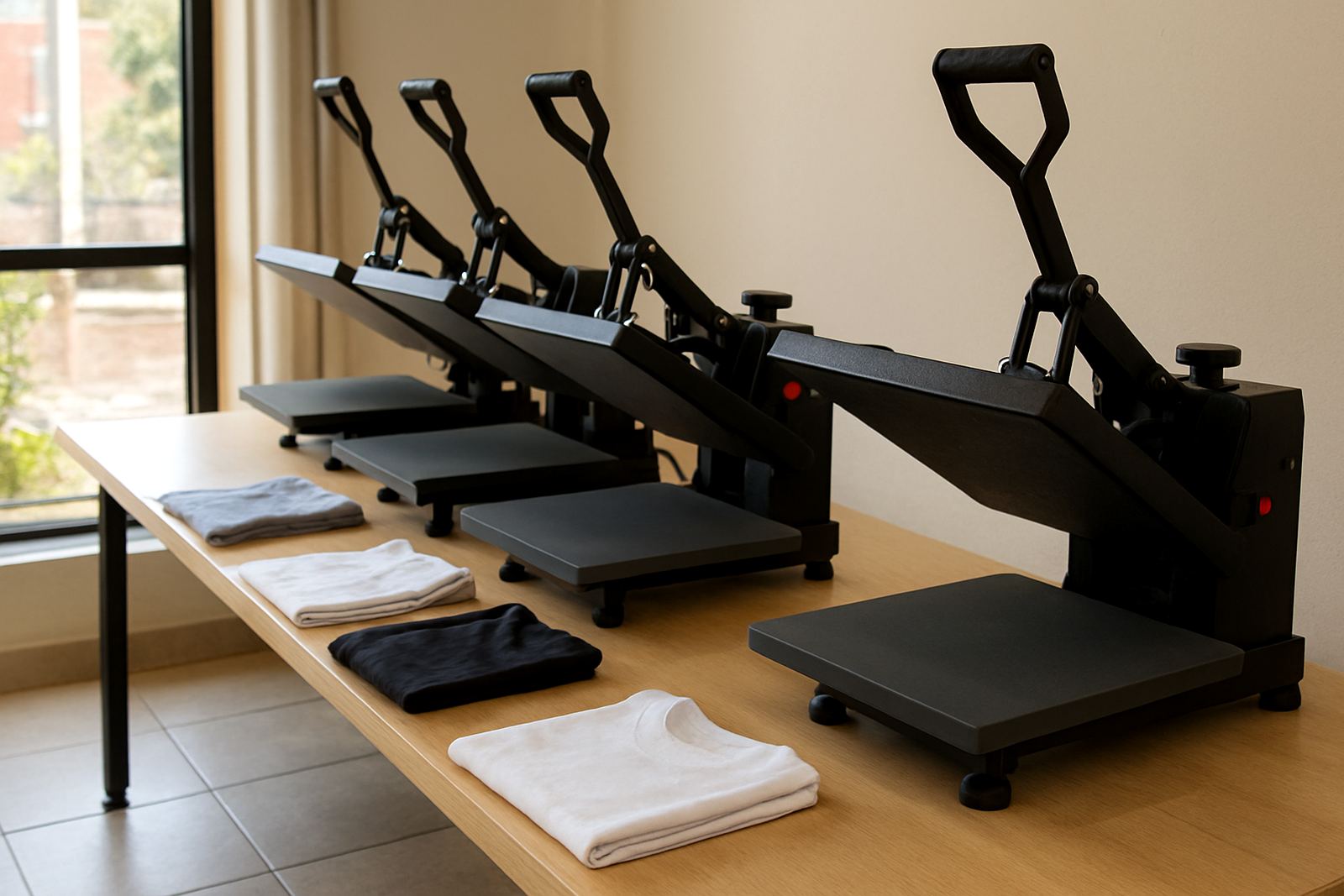
Built For Front Prints On Thicker Garments
The Hoodie Front Press is designed for front placements on hoodies, fleece tops and heavy cotton or polycotton garments where a standard flat press can struggle with seams, zips and bulky fabric. It gives you a level platen area, reliable pressure and enough clearance to handle thicker items without fighting the garment. That matters when you are pressing names, chest logos or transfer graphics for schools, clubs and workwear.
FlatPress supplies this type of machine to small garment decorators, hobbyists and professional print shops across Gauteng and nationwide. In Midrand, Johannesburg or Pretoria, the need is often the same: a press that is easy to learn, holds temperature properly and keeps output consistent through long shifts.
Size Options And Working Space
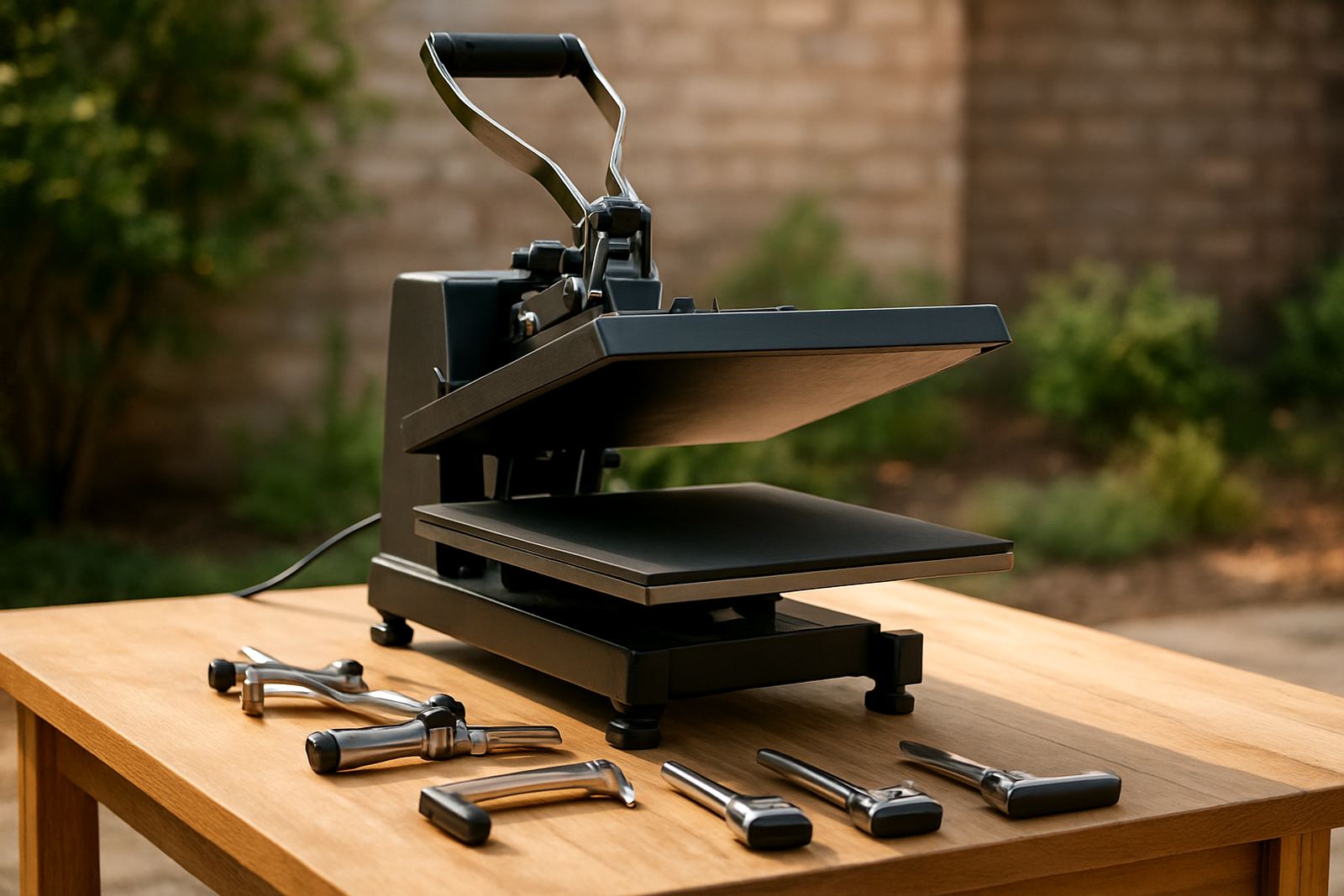
Hoodie front presses are normally chosen by platen size, footprint and the kind of garment you handle most often. Common working areas suit chest prints, medium artwork and transfer application on fleece items. A wider platen gives better support for adult sizes, while a more compact unit can be easier to place in a small workshop or spare room setup.
- Suitable for front chest prints on hoodies and sweaters
- Works well with heat transfer vinyl, printed transfers and direct application films
- Compact enough for smaller shops with limited floor space
- Larger platen options help with adult sizing and repeated production runs
If you are ordering for a growing operation, it helps to think about your usual garment sizes, your bench height and whether one operator or two people will use the machine. A good fit saves time on every job and reduces handling errors.
Installation, Power And Workshop Fit
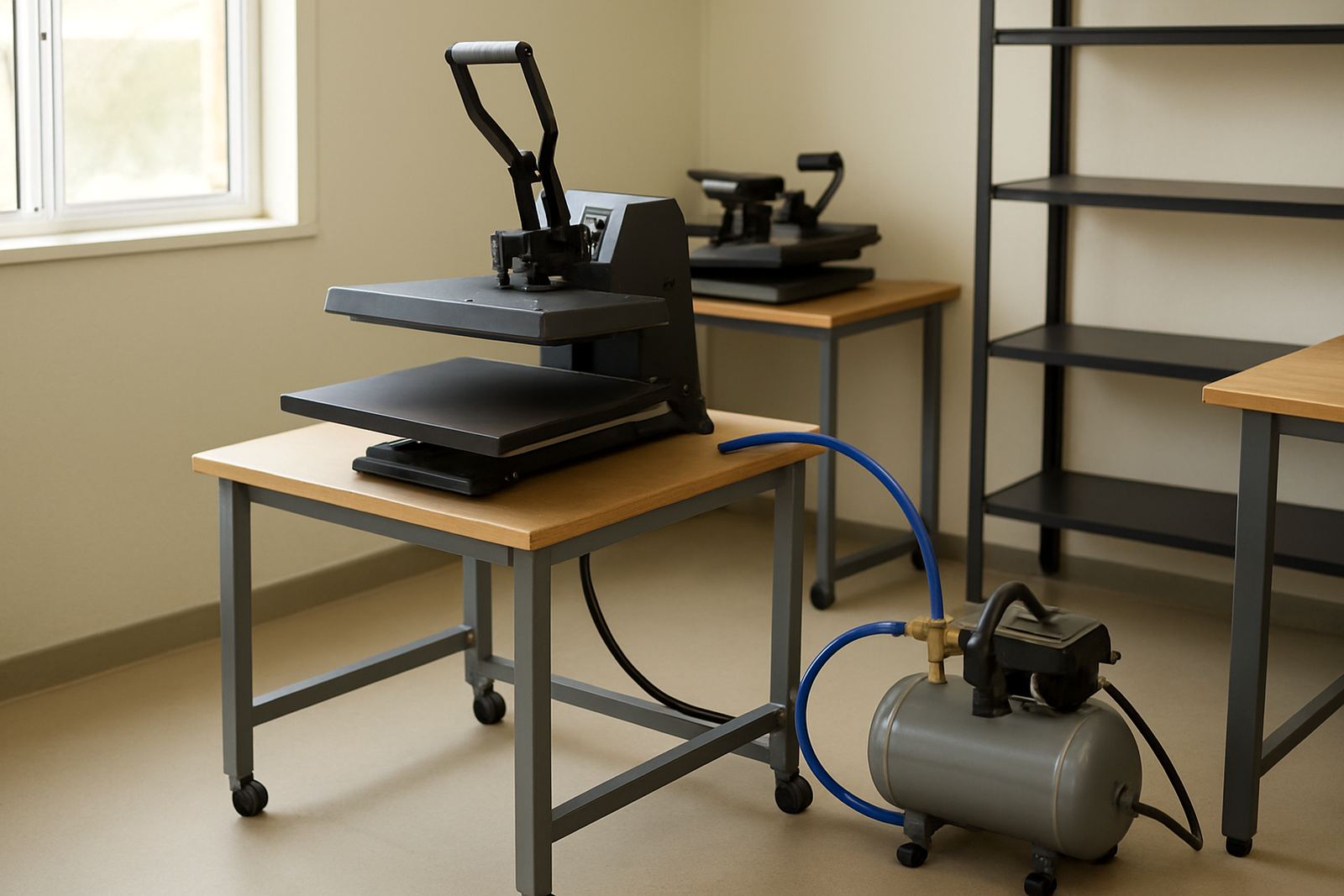
These presses are generally installed on a strong, level table or stand with enough room to open the top platen fully and load bulky garments without strain. Most units run on standard single-phase electrical supply, which suits many South African workshops and home-based setups. Before ordering, check your available plug point, breaker rating and whether you have stable power during load-shedding.
In areas where outages are common, a surge protector and a proper power backup plan can help protect the controller and heating elements. For coastal areas like Durban or Cape Town, the machine should be kept in a dry area with clean airflow because humidity can affect clothing storage and electrical fittings over time. Midrand installations are often straightforward, but we still recommend checking table strength, cable routing and nearby ventilation first.
- Place on a stable bench with heat-safe clearance around the press
- Check supply voltage and plug type before delivery
- Keep the unit away from wash bays, open windows and damp floors
- Allow space for garment loading, especially fleece and hooded items
How It Performs On Fleece, Hoodies And Transfers
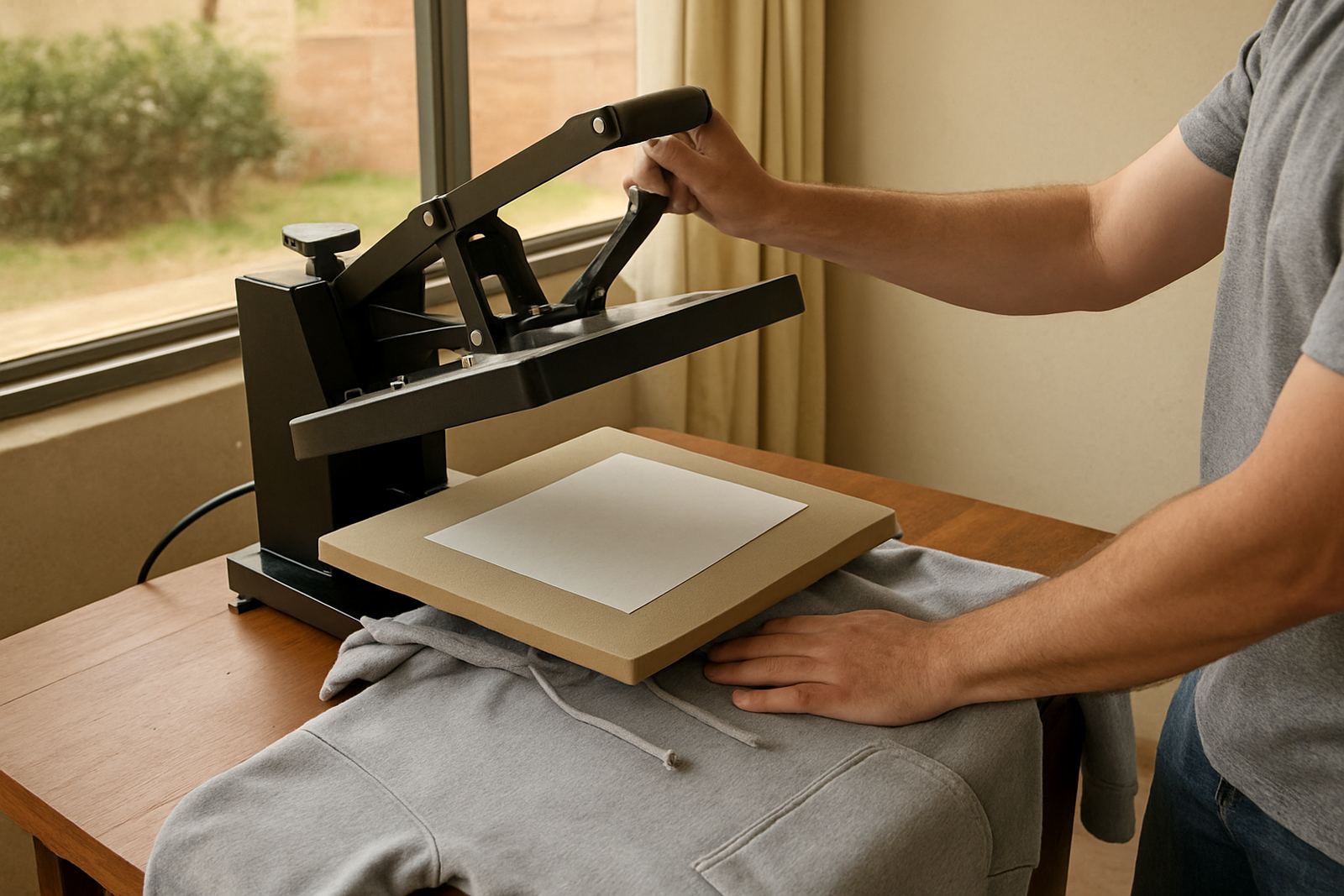
This press is meant for front placements where you need even heat across a thicker garment. Hoodies often have seams, pocket bulk and drawstrings that can interrupt pressure, so the machine needs to be set carefully. With the right settings, you can apply transfer graphics cleanly without scorching the fabric or leaving edges under-pressed.
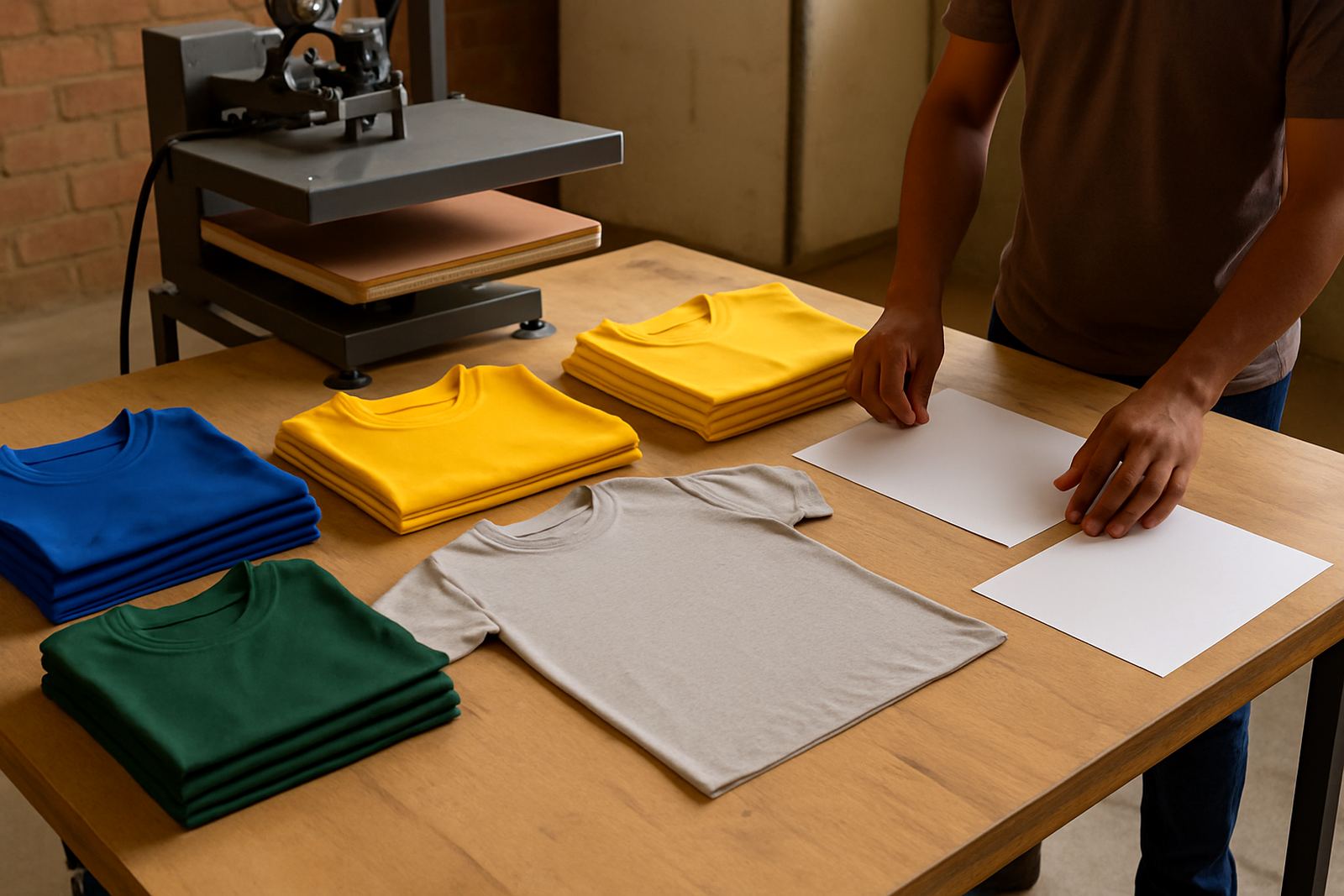
It suits both short-run and repeat work. A small decorator in the East Rand may use it for school hoodies and clubwear, while a print shop in Bloemfontein may run daily batches of branded fleece tops for local businesses. The machine is also useful for hobbyists who want a dependable press for occasional custom jobs. If your work includes mixed fabric types, the press should be tested on sample garments first.
Settings, Pressure Control And Daily Care
Good pressing starts with the basics: correct temperature, steady pressure and a clean platen surface. For thicker garments, pressure should be checked often because fabric thickness changes from one hoodie to the next. A controller that reads accurately and heats evenly will save you wasted stock and rework.
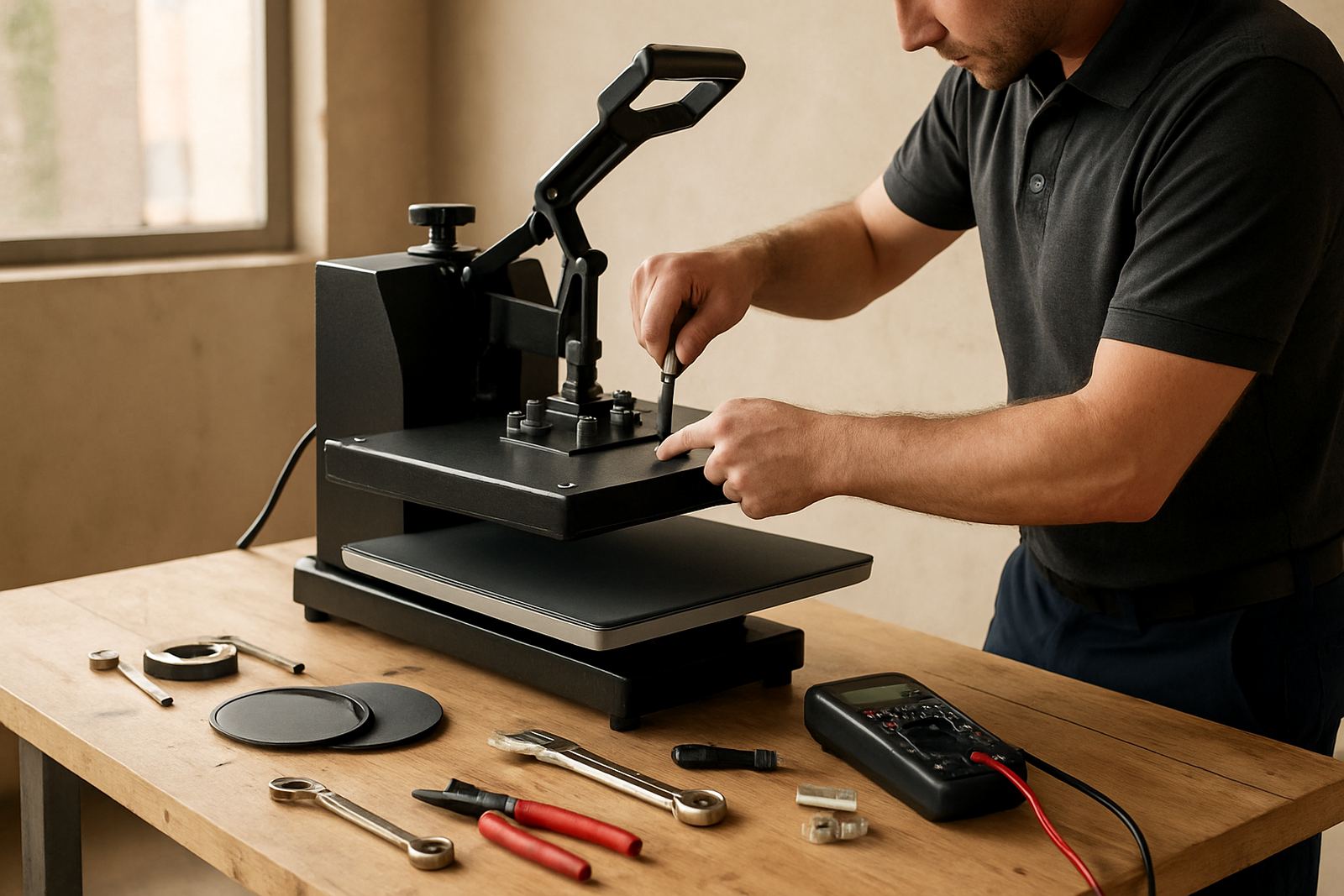
Daily care is simple but important. Keep the lower platen covered, wipe adhesive or dust off the surface and check that moving parts remain free and smooth. If your shop uses the machine heavily, preventive servicing will help keep output steady and extend the life of the heater, controller and pressure system.
- Check temperature with a test strip or verified gauge if results seem inconsistent
- Inspect pressure knobs, hinges and handles for wear
- Replace damaged covers or padding before they mark garments
- Keep transfer residue off the platen and frame
What To Check Before You Order
Before placing an order, confirm the garment sizes you handle most, the width of your artwork and whether you need a manual or pneumatic style setup. You should also check the type of transfers you use, since some materials need a firmer press while others need more controlled pressure. If your team works with mixed orders, ask for guidance on the right platen size and operating method.
It is also wise to think ahead about spares and support. A business in Pretoria or Durban that presses every day should keep a spare cover, controller plan and basic service schedule in mind from the start. If you are setting up a new room or adding a second machine, training on press operation, temperature checks and pressure adjustment can prevent costly mistakes. We also assist with phone tech support, loan unit support and workshop repairs when needed.
- Confirm your garment type, print area and daily output
- Check electrical supply and installation space
- Ask about spares, training and after-sales support
- Share sample requirements if you use specialist transfers
Support For Setup, Training And Repairs
FlatPress supports customers from our Midrand base and supplies by courier nationwide, including Johannesburg, Pretoria, Durban, Cape Town and Bloemfontein. Our team handles new press setup, operator training, temperature checks, pressure adjustments, element replacements, controller repairs and preventive servicing. We also assist with pad and covering work, pneumatic line service and spares supply for busy shops.
Whether you are opening a new garment decorating setup or replacing an older press, you can contact us through the enquiry form on our contact page. The right support makes a real difference when your machine is part of daily production and not just an occasional workshop tool.
Key facts
| Product Type | Flat heat press for hoodie fronts and thicker garments |
|---|---|
| Platen Use | Front placements on fleece, hoodies, sweat tops and similar items |
| Common Operation | Manual heat pressing with adjustable pressure |
| Power | Single-phase electrical supply, check local outlet and breaker rating |
| Support | Setup, training, servicing, spares and phone support |
| Coverage | Midrand, Gauteng and nationwide courier supply across South Africa |