Built for regular club apparel runs
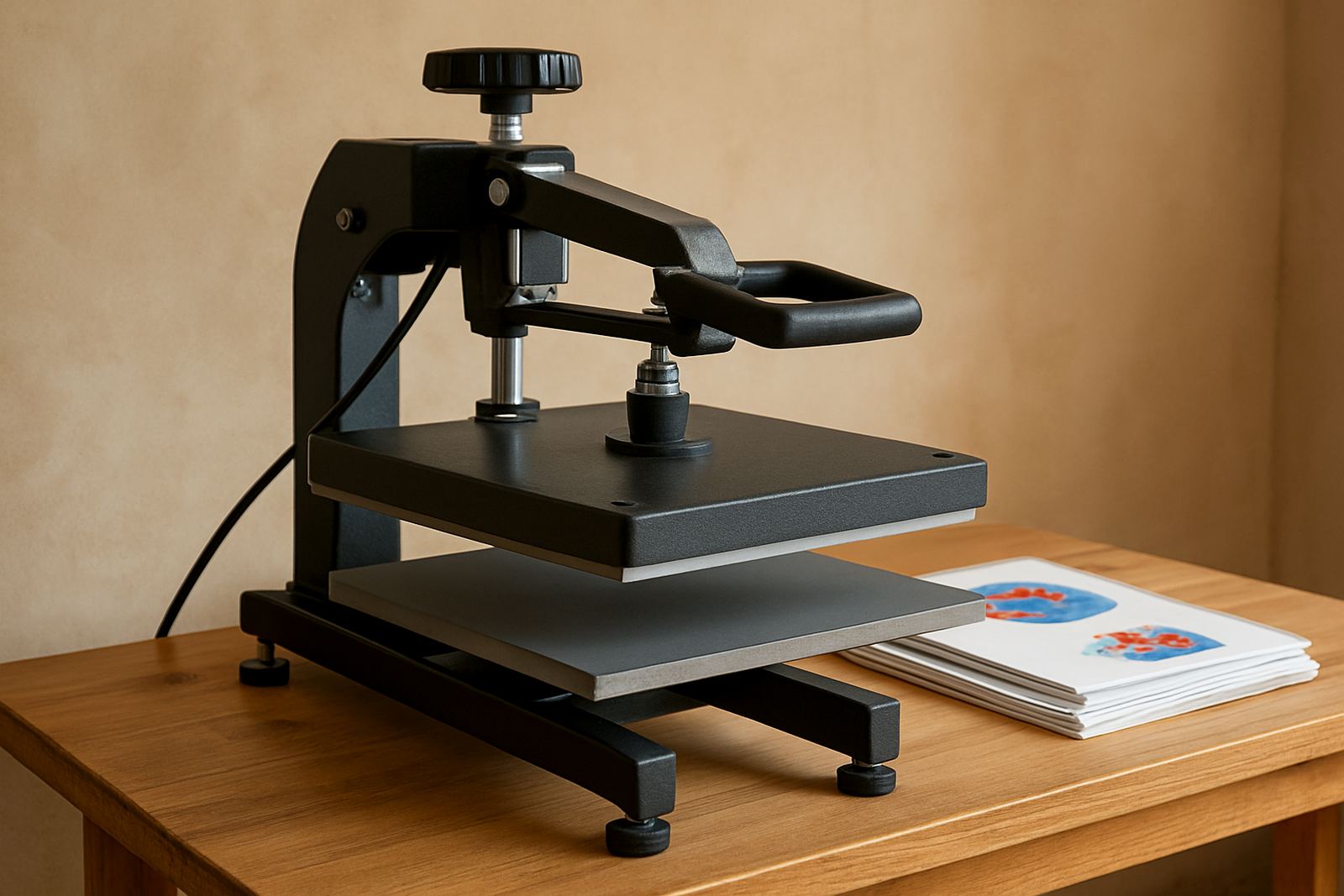
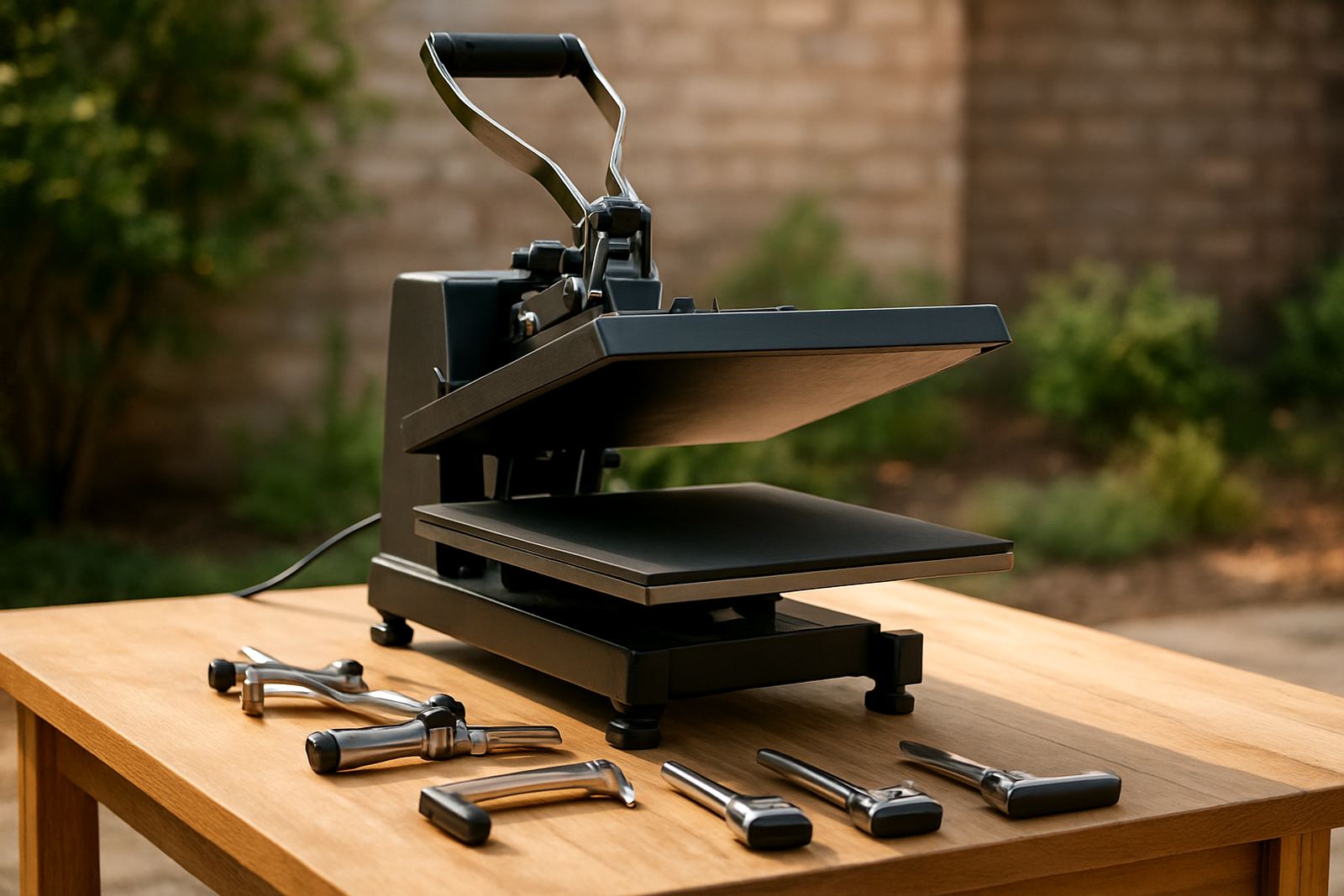
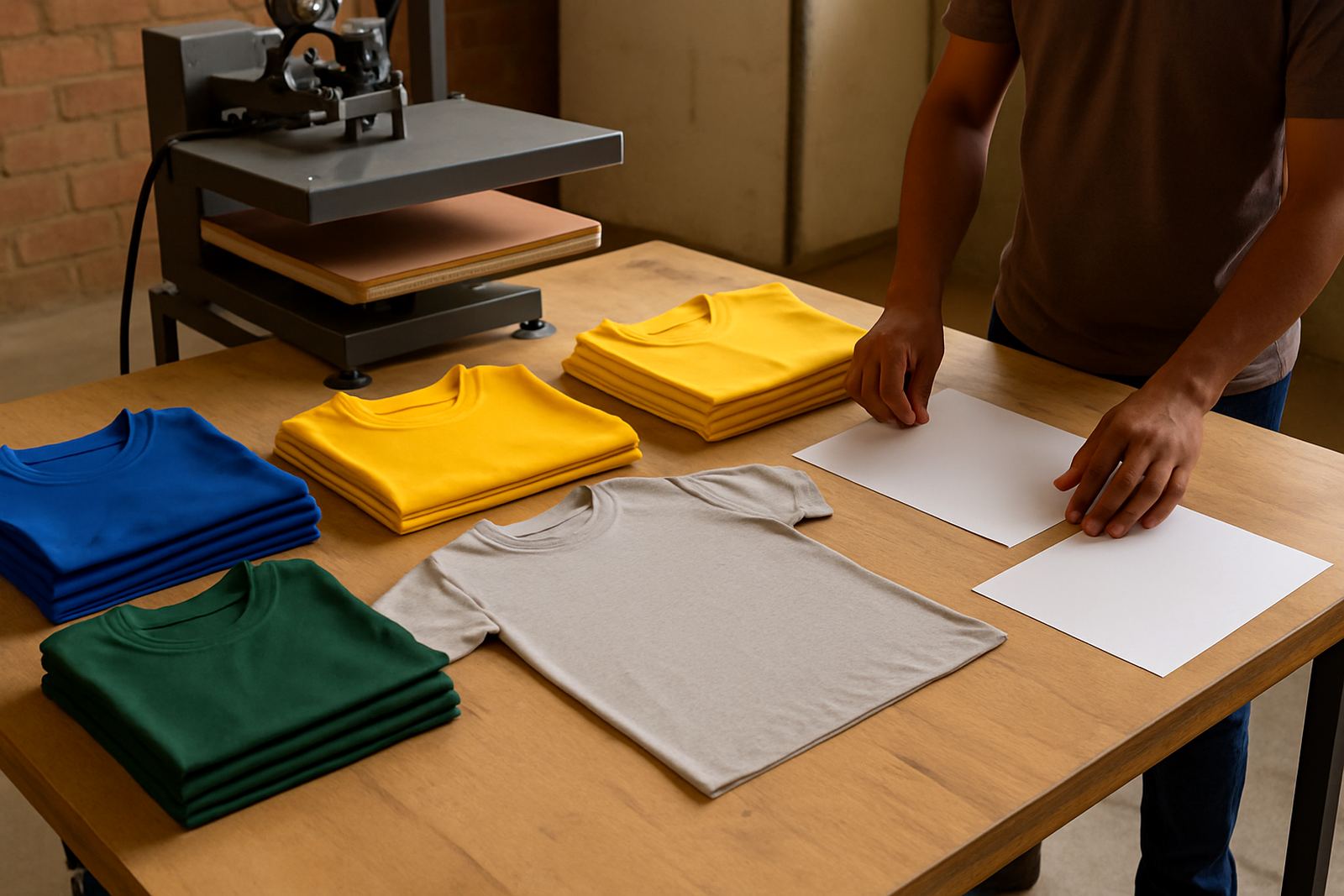
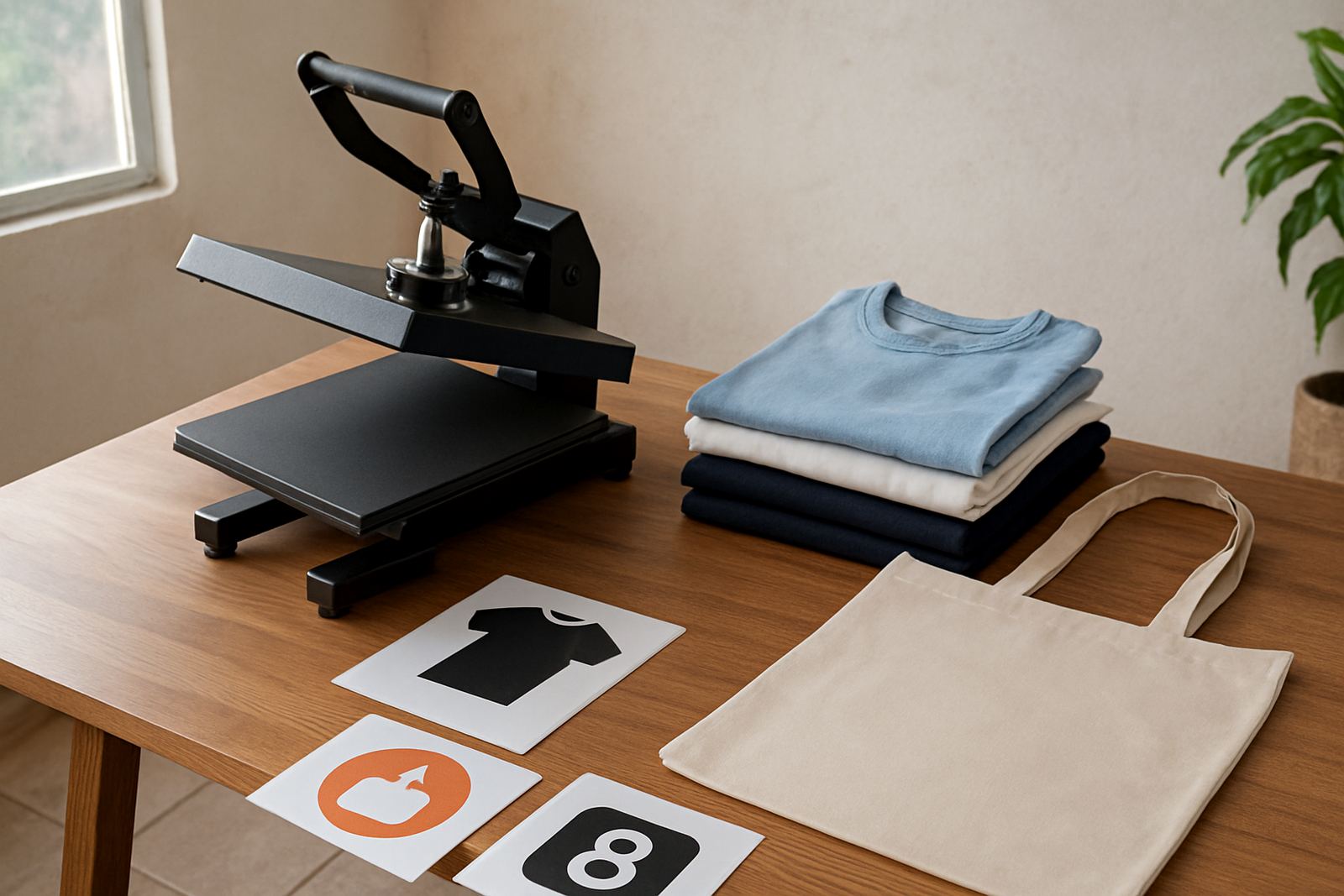
The Club Merch Press is a flat heat press for pressing transfers onto T-shirts, hoodies, tote bags and similar flat items. It is suited to clubs and community groups that produce branded apparel in batches, whether you are doing 10 shirts for a fundraiser or a few hundred pieces for a season launch.
For South African users, the main benefit is consistency. Once the temperature, dwell time and pressure are set correctly, every shirt comes out close to the last one. That matters when you are matching team colours, sponsor artwork and member names across different garment sizes.
FlatPress supplies and sets up this type of machine for decorators in Midrand, Johannesburg, Pretoria, Durban, Cape Town, Bloemfontein and surrounding areas, with courier support nationwide. We also help with first setup, operator training and ongoing support so your team can get moving without wasting vinyl or transfers.
Size options and typical working areas
Flat presses are usually selected by platen size, and the right size depends on the garments and artwork you handle most often. A smaller press is easier for tight work and short runs, while a larger platen gives better coverage for full front prints and oversized logos.
- 38 cm x 38 cm for entry level work, sleeves, small logos and hobby use
- 40 cm x 50 cm for general club merch, standard chest logos and most T-shirts
- 40 cm x 60 cm for larger artwork, bigger sizes and faster production runs
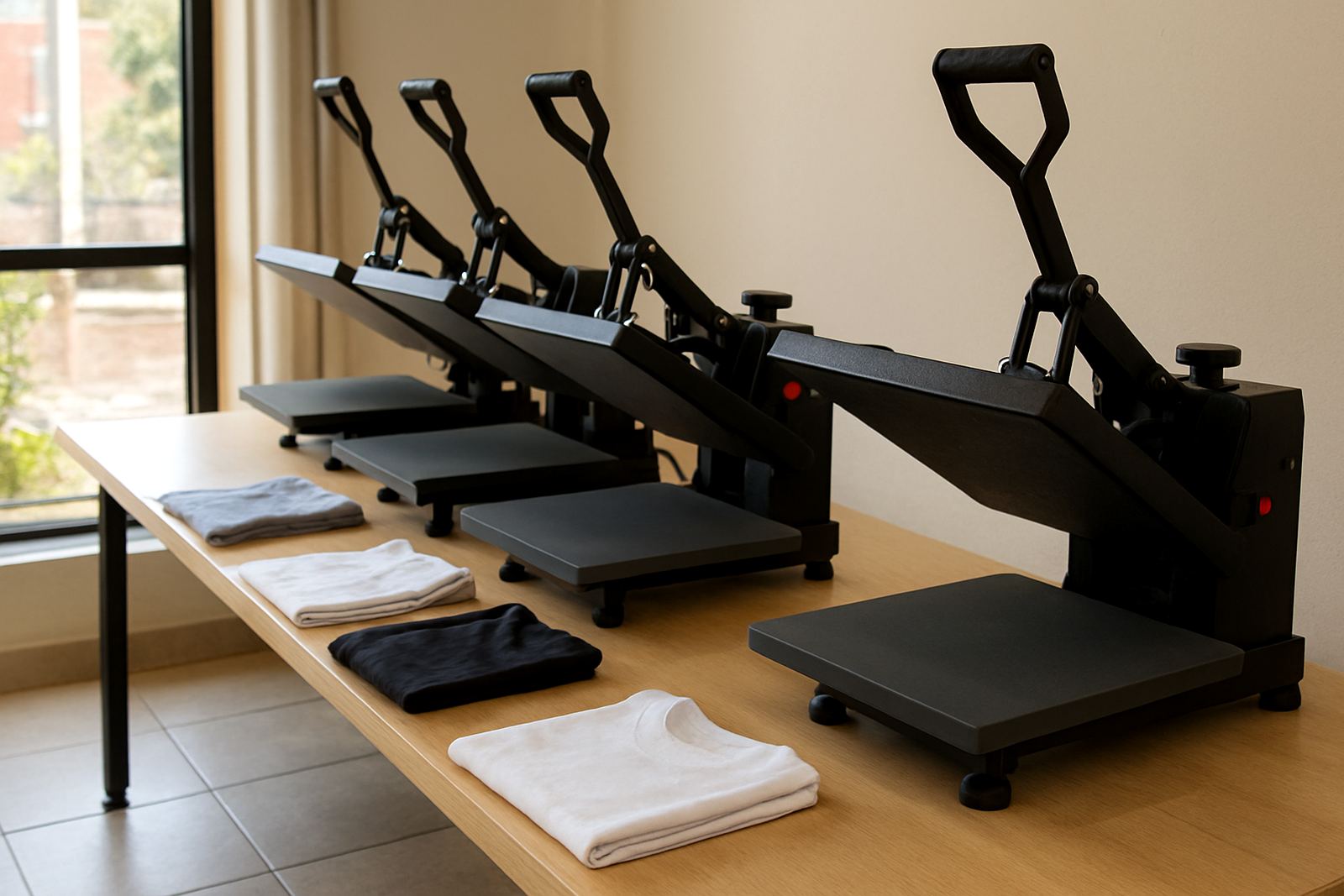
- Double station options for higher output where one platen can be prepared while the other is pressed
- Manual or pneumatic clamp systems depending on your volume and budget
If you are mainly pressing adult T-shirts and supporter gear, a 40 cm x 50 cm size is a practical middle ground. For schools, sports clubs and corporate community projects, this size usually handles most jobs without making the machine too large for a small workshop.
Where this press suits best
This press works well in small print shops, garment decoration setups, school fundraisers, sports clubs, church groups and promotional clothing businesses. It is also a good fit for hobbyists who want a proper machine instead of a household iron, especially where you need repeatable pressure and heat control.
In Gauteng and along the coast, the press should be installed in a dry, level space with enough bench clearance around it. Coastal humidity in Durban and port areas can affect transfer storage and garment prep, so keep blanks and vinyl indoors and sealed where possible. In Midrand, Pretoria and the East Rand, dust from workshop activity can also build up around the platen and controls if basic cleaning is skipped.
For busy teams, this press is useful when you need to produce items quickly before an event, match day or club launch. It is not limited to one type of transfer either, and can handle common heat applied materials used in local garment decoration work.
Installation, power and workshop setup
Most flat heat presses only need a standard mains power supply, but the machine must be plugged into a stable outlet with the correct electrical rating. We check this during setup because voltage dips and overloaded extensions can cause uneven heating, controller faults or slow recovery between presses.
Installation is straightforward, but the machine must sit on a stable table or stand that can carry its weight and let the lid open safely. Leave enough room at the back and sides for loading garments, especially if you are working with hoodies or thick items. A clean workspace matters too, because loose film scraps and powder from transfers can end up on the platen.
- Use a grounded power point with the correct rating for the machine
- Avoid thin extension leads and multi-plug overloads
- Allow a warm-up and recovery time before running production
- Keep the machine level for even pressure across the platen
- Place it away from direct rain, wash areas and open doors where wind may disturb garments
Gas is not needed for this product. It runs on electricity, so the main concern is good supply, safe cabling and basic workshop organisation.
Care, servicing and common wear items
A flat press will last better if it is cleaned and checked regularly. The platen, pad and covering should be kept free of adhesive residue, lint and scorch marks. If you press many dark garments or use lower grade transfers, the cover can glaze over quicker and affect pressure feel. That is normal wear, but it should be dealt with before it becomes a bigger issue.
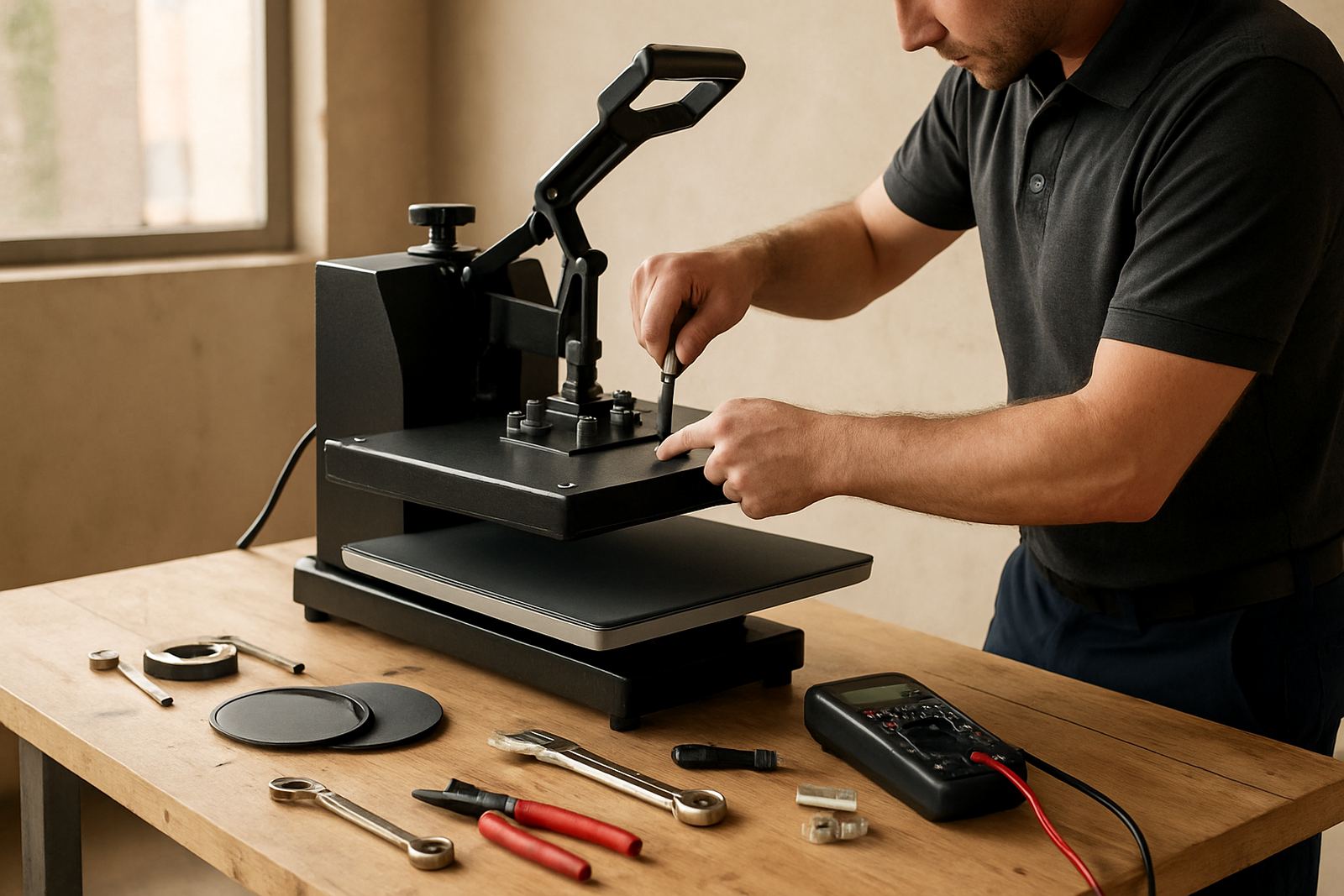
We provide preventive servicing, temperature checks, pressure adjustments, element replacements, controller repairs and pad and covering work. For pneumatic versions, line checks and air related servicing are also available. If a machine starts heating unevenly, taking longer to recover, or the pressure seems patchy, it is time for a proper inspection rather than pushing it through another busy week.
Load shedding and power interruptions can also affect controllers and heater elements over time. If your area has unstable supply, switch the unit off properly when power returns and let it stabilise before resuming work. This small step can save you from a costly repair later on, no one likes a press failing the day before a big order.
What to verify before ordering your press
Before ordering, think through the type of work you do now and the type of work you want to take on next. The best press is not always the biggest one, it is the one that matches your garment mix, output and available space. If you are in a home workshop, space and power access may matter more than speed. If you run a small production floor, output per hour and platen size become more important.
- What garment sizes and print areas you use most often
- Whether you need manual or pneumatic operation
- How many pieces you press in a normal day or week
- What power supply you have available on site
- Whether you need training for one operator or a full team
- Whether you want spare parts and loan unit support available after setup
It also helps to know what transfers you use, since different materials behave differently under heat and pressure. If you are moving from a household setup to a proper workshop press, we can talk you through the difference so you do not buy too small or too large for your actual workload.
Support after setup
FlatPress supports users after delivery with operator training, phone tech support, preventive servicing and spares supply. We also assist with new press setup and loan unit support where available, so a workshop can keep moving while a machine is being repaired.
Our team works from Midrand and supports customers across Johannesburg, Pretoria, the East Rand, West Rand, Durban, Cape Town and Bloemfontein. For club merch work, that local support matters because event dates do not move. If your press needs a temperature check or a replacement element, you want practical help, not a long wait.
From first setup to day to day use, the aim is simple: clean transfers, steady output and less downtime. If your club or print shop needs a flat press that can handle regular apparel orders, this is a dependable choice for South African conditions.
Key facts
| Press type | Flat heat press for T-shirts, transfers and other flat garments |
|---|---|
| Common platen sizes | 38 cm x 38 cm, 40 cm x 50 cm, 40 cm x 60 cm |
| Operation | Manual or pneumatic options depending on model |
| Power needs | Standard mains electricity, correct rating and grounded outlet required |
| Typical use | Club merch, school apparel, promotional clothing and short production runs |
| Support available | Setup, training, temperature checks, repairs, servicing and spares supply |