

What the 40x50 Auto Open does on the floor
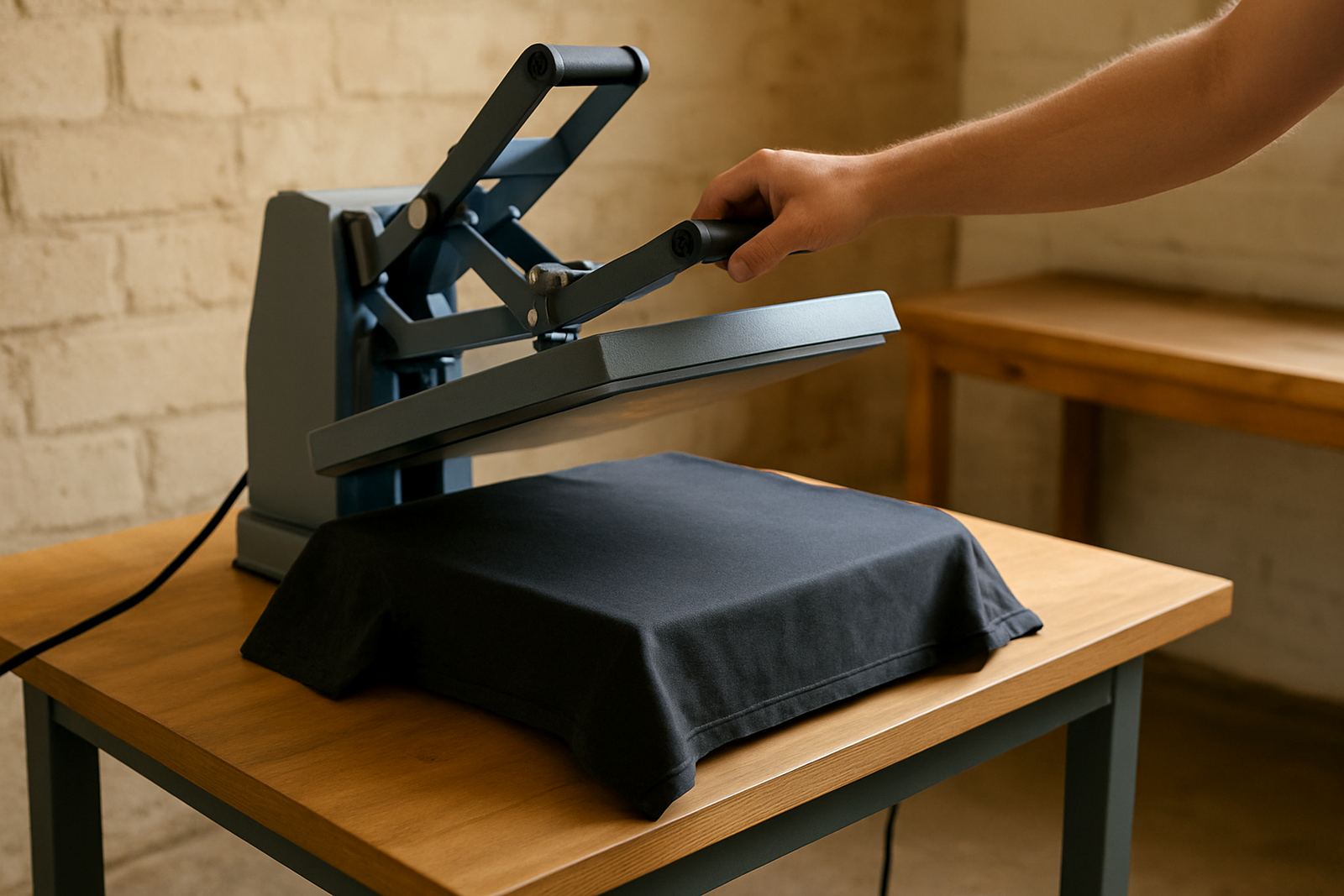
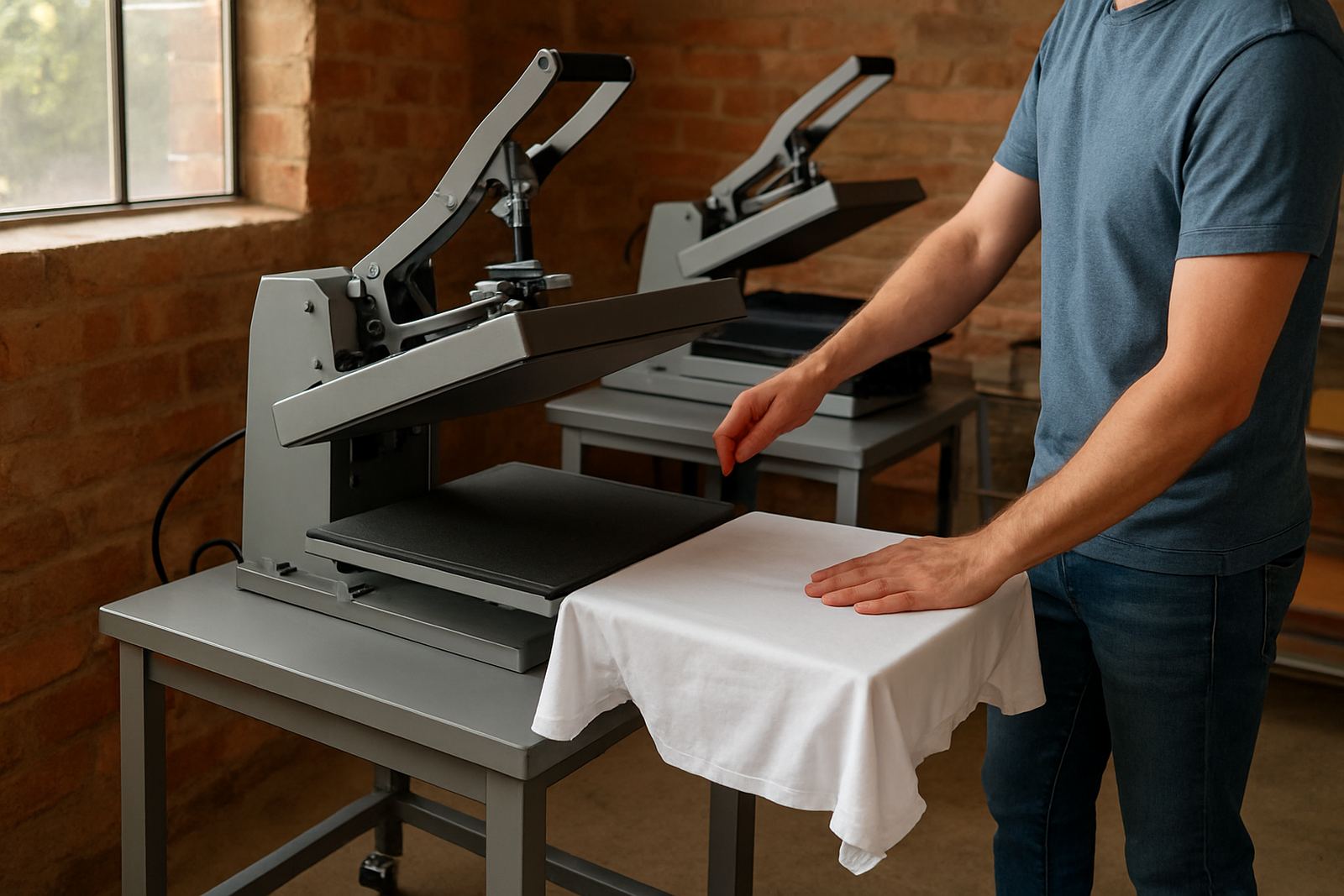
The 40x50 Auto Open is built for pressing T shirts, transfers, heat applied graphics and other flat garment work where even heat and steady pressure matter. The auto open feature releases the platen at the end of the cycle, so operators do not have to stand over every press waiting for the timer to finish. That matters on busy runs, and it helps lower the chance of over pressing lighter fabrics or transfers that can mark if left too long.
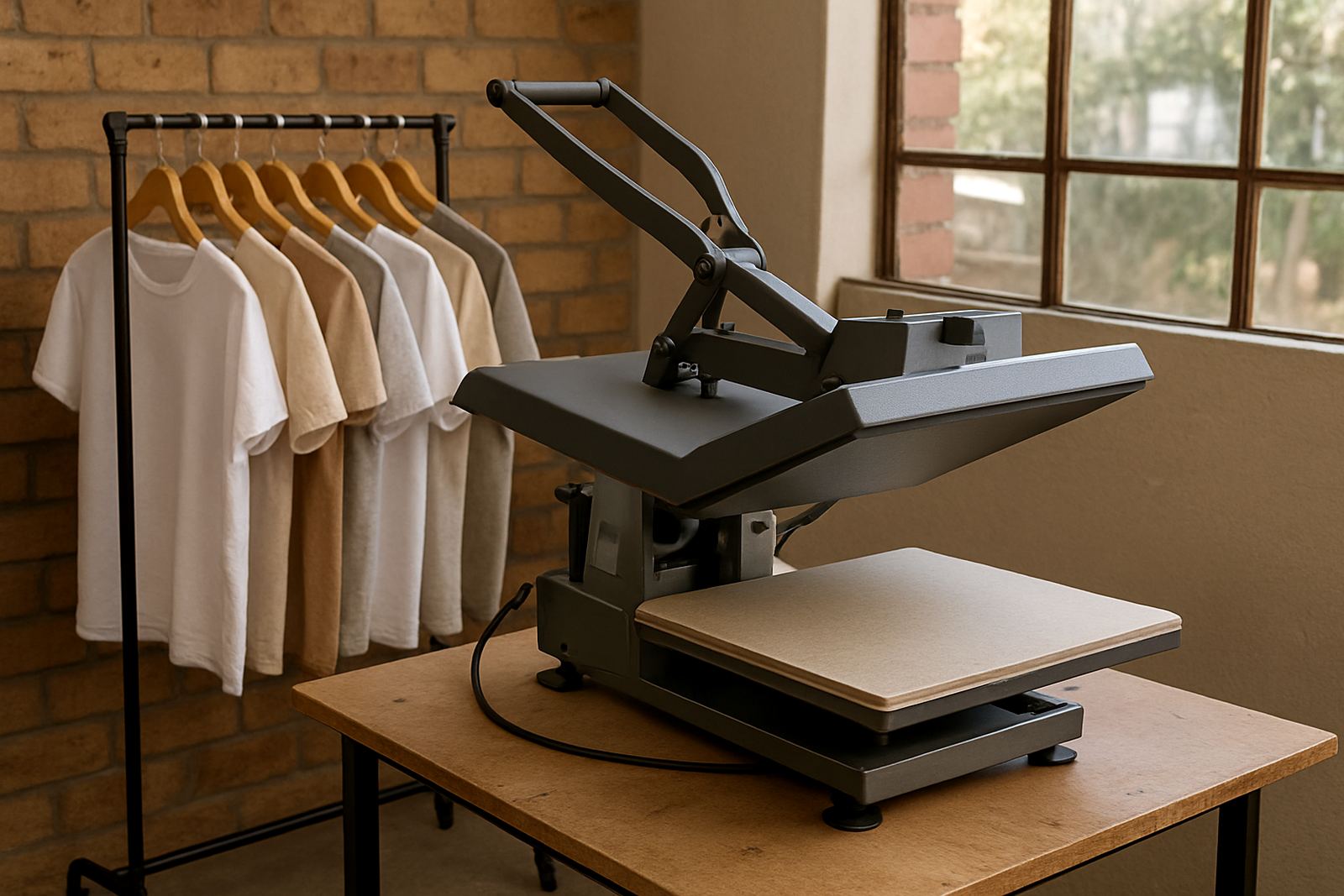
The 400 x 500 mm platen size gives enough room for adult chest prints, back prints, workwear logos and schoolwear jobs. It is also a practical size for small shops that need one press to handle mixed orders rather than a machine that is too small for larger graphics. For decorators in Midrand, Johannesburg, Pretoria and further afield, it is a sensible middle ground between entry level presses and heavier production units.
Because the machine is flat and straightforward to use, it suits first time operators as well as experienced print teams. Once the temperature, time and pressure are set correctly, the press gives a repeatable cycle for everyday transfer work.
Sizes, format and job types it suits
The 40x50 format is useful when you need a little more room than a compact press but do not want to take up unnecessary bench space. It works well for garment decorators who press one item at a time, as well as small shops that batch their work through a conveyor, washing line or drying rack before finishing on the heat press.
- T shirts, vests and golf shirts
- Heat transfer vinyl and printed transfer paper
- Numbers, names and small sponsor logos
- Light workwear and schoolwear items
- Test prints and sample runs
It is also handy for setup work on new decoration lines, because the press size is large enough to check alignment on common garment placements without wasting material. If you are doing both hobby work and paid jobs from the same space, this format usually covers most of the daily requests without needing a second machine.
Power, placement and installation basics
The press needs a stable, level surface and enough clear space around it for loading garments and moving finished items away safely. It should be installed where the operator can reach the control panel comfortably and where the swing or lift action, depending on the build, will not interfere with walls, shelving or a heat sensitive surface. In Gauteng shops where space is tight, that planning saves time and reduces accidents.
Most units of this type run on standard single phase power, which makes them practical for small workshops and home based businesses. Before installation, check the available supply, plug arrangement and whether the circuit can handle regular heat press use alongside other equipment. If the area is affected by load shedding, many shops also plan their workflow around power outages so heated jobs are not interrupted mid cycle.
- Allow a firm, flat work surface
- Keep the press away from loose fabric, solvents and packing materials
- Use a clean power point with no overloaded adaptors
- Plan for ventilation and safe operator movement
For clients in Durban, Cape Town and other coastal areas, the installation area should also stay dry and well ventilated because humidity can affect stored transfers and machine care over time.
Temperature, pressure and timed cycle control
Good pressing depends on three things working together: temperature, pressure and time. The 40x50 Auto Open is designed to hold those settings consistently so operators can repeat the same result across a full order. That is especially useful on transfer work where a few seconds too long can affect colour or finish.
The automatic opening action supports timed jobs by removing the need to watch the platen the whole time. When the cycle ends, the press opens on its own, which helps when one person is running multiple tasks such as weeding vinyl, lining up the next garment or checking a finished print. It also helps newer operators work more confidently while they learn the correct dwell time for different materials.
For mixed production, the control panel should be checked regularly and the temperature verified against a trusted temperature check method. Small drifts can affect results, so a business that presses every day should not rely only on the display reading.
Care, servicing and common parts to keep an eye on
Like any flat press, this unit works best when it is cleaned, checked and serviced at sensible intervals. Wipe away adhesive residue, lint and transfer dust before it builds up around the platen edges or on the lower pad. A clean surface helps keep garments free of marks and makes the press easier to use.
Pressure should be checked often, especially if the shop presses thicker hoodies one day and thin cotton tees the next. If the pressure feels uneven, the pad, covering or alignment may need attention. Over time, the element, controller, switches and wiring should also be inspected for wear, especially in shops that keep the press warm for long stretches.
- Pad and covering replacement when the surface becomes hard or marked
- Temperature checks to confirm the unit is heating evenly
- Pressure adjustments after extended use
- Controller repairs if settings drift or readings become unstable
- General preventive servicing for daily production shops
In busy print rooms, a spare unit or loan unit support can keep work moving while repairs are done, which is useful when deadlines are tight and courier time from another province would slow things down.
What to verify before ordering your press
Before ordering a 40x50 Auto Open, it helps to confirm exactly what you want to press and how often you will use the machine. A shop doing occasional hobby work has different needs from a Durban print room pushing out school uniforms, sportswear and promotional runs every week. The right setup depends on your garments, transfer material, space and power supply.
Check the following before you buy:
- What size graphics you need to press most often
- Whether you need single phase power or have a dedicated supply
- How much bench space you can spare for loading and unloading
- Whether your work is mostly T shirts, transfers, or mixed garments
- If you need operator training for new staff
- Whether you want service support, spares supply or installation help
If the machine will be used in a small shop, also think about workflow. Where will finished garments cool, where will the next item be placed, and who will handle trimming, pressing and packing. A small bit of planning upfront can save a lot of trouble later on.
How FlatPress supports users across South Africa
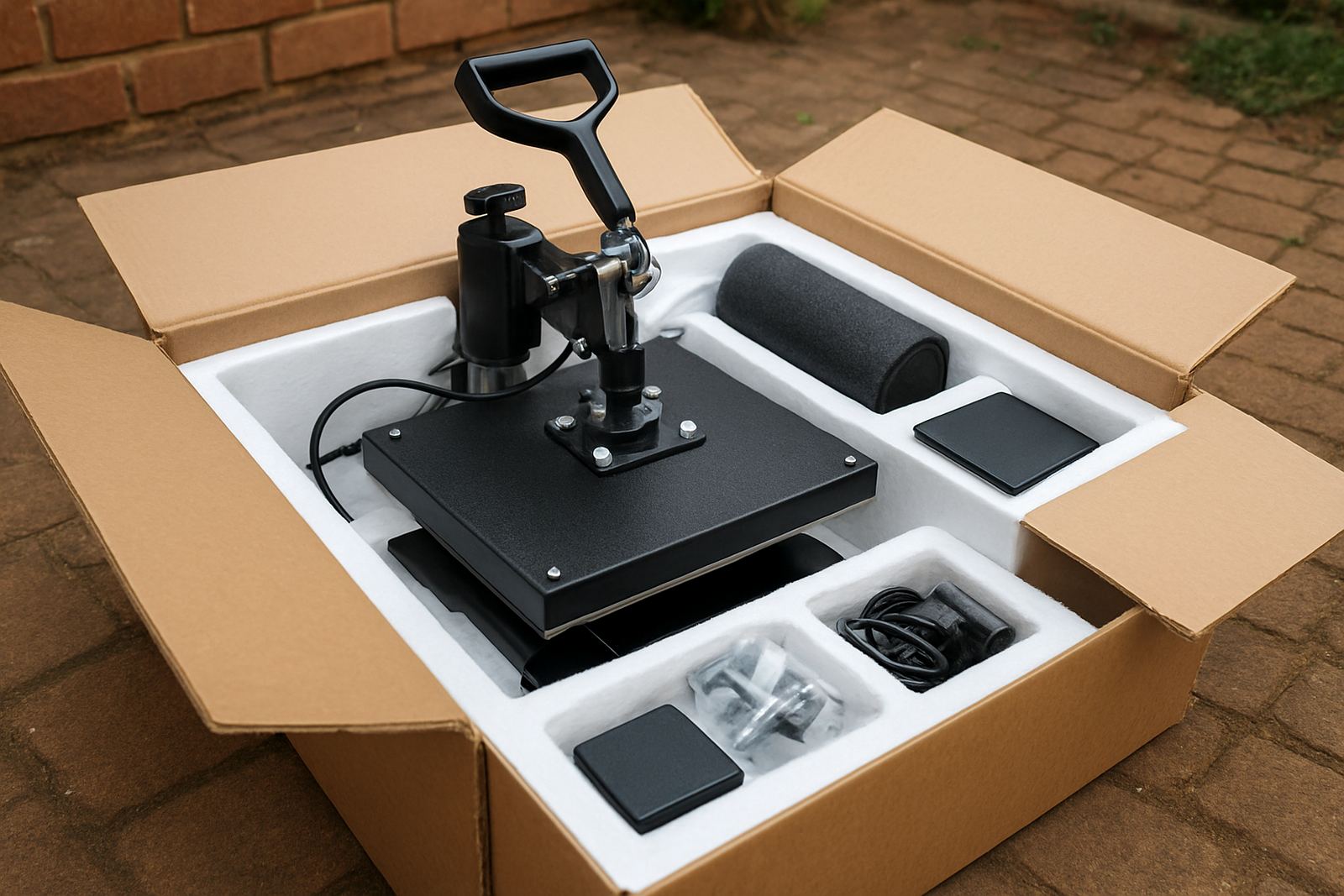
FlatPress works with small garment decorators, hobbyists and professional print shops from Midrand and the rest of Gauteng through to nationwide courier supply. The team handles new press setup, operator training, phone tech support, temperature checks, pressure adjustments, element replacements, controller repairs, pad and covering work, pneumatic line service, preventive servicing, spares supply and loan unit support.
That means a customer can start with the press, then get help with installation, learn the correct pressing routine and call for support if the machine needs attention later. For operators in Johannesburg, Pretoria, the East Rand, West Rand, Durban, Cape Town or Bloemfontein, that kind of backup makes it easier to keep production steady instead of stopping for a minor fault.
Enquiries come through the contact page enquiry form, which keeps the process simple and direct. If you need a practical heat press for everyday transfer work, the 40x50 Auto Open is a solid size to consider for a growing garment business or a serious home workshop.
Key facts
| Platen size | 400 x 500 mm |
|---|---|
| Press type | Flat heat press with automatic opening |
| Use case | T shirts, transfers, vinyl and flat garment items |
| Power | Single phase supply, check local installation requirements |
| Control | Digital temperature and timer control |
| Support | Setup, training, servicing, spares and repairs |