
What to check before you buy a flat heat press
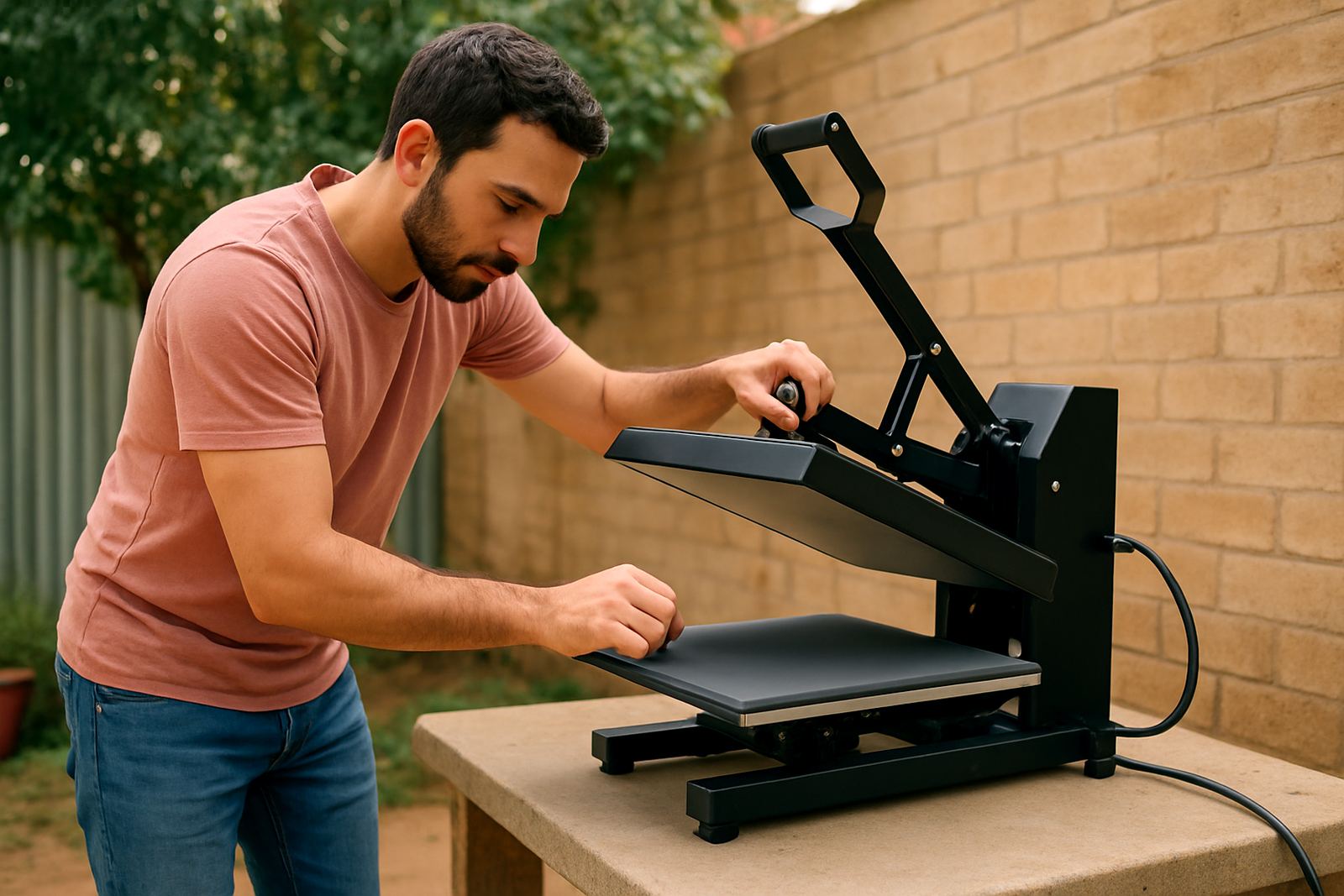
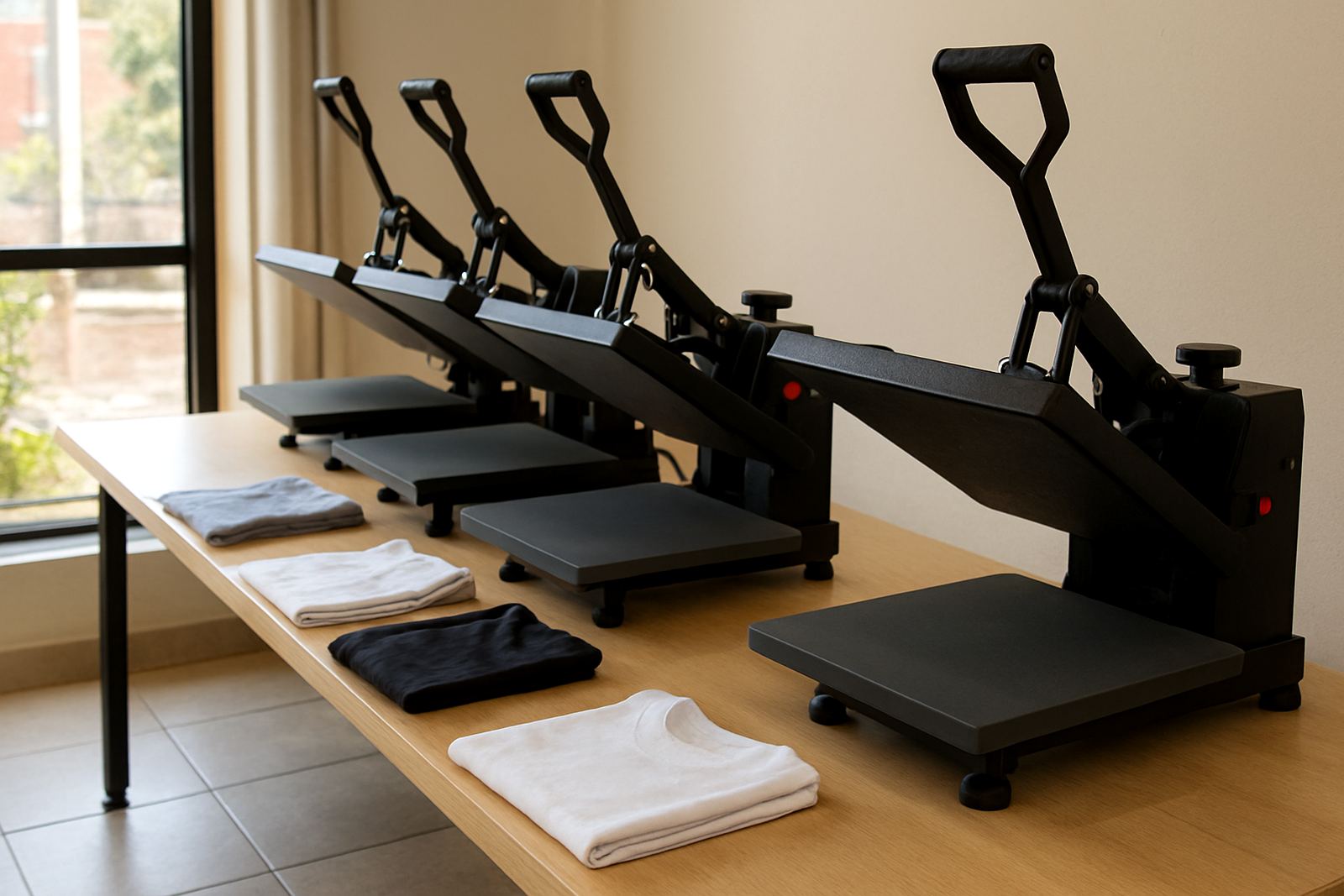
Start with the work you want to do. A small home setup for vinyl names and hobby transfers has different needs to a shop doing daily garment runs in Johannesburg or Pretoria. Check platen size, how much pressure you need, the type of garments you print most often and whether the machine will sit on a stable table with enough space around it.
For mixed work, a press with steady temperature control and even pressure across the platen is usually the safer choice. If you print in a coastal area like Durban or Cape Town, keep in mind humidity can affect transfers and storage, so your setup should allow for dry paper, clean garments and proper ventilation. If you are unsure, tell us what you print, how many pieces a day and what power supply you have, then we can point you toward the right option.
- Measure your workspace before ordering
- Check whether you need a manual or pneumatic press
- Confirm the power requirements and plug point
- Think about spare parts and servicing access from day one
How delivery works from Midrand to the rest of South Africa
We supply from our Midrand base and send flat heat presses nationwide by courier. Local clients in Midrand, Johannesburg, Pretoria and the East Rand or West Rand can arrange direct collection or installation support where needed, while customers in Durban, Cape Town, Bloemfontein and other towns receive courier delivery with practical packing for transport.
Before dispatch, we check the machine, prepare the load and make sure the accessories and documents are together. If your site has access rules, a loading bay or after-hours receiving process, tell us early so the handover goes smoothly. Some couriers can be delayed by weather or peak-season volumes, so it helps to plan delivery a few days ahead of a production start date.
- Share your full delivery address and contact name
- Tell us if the site needs a forklift, lift access or ground-floor delivery
- Keep an eye on receiving times at industrial parks or body corporate sites
- Inspect the package on arrival before signing where possible
What happens during setup and first startup
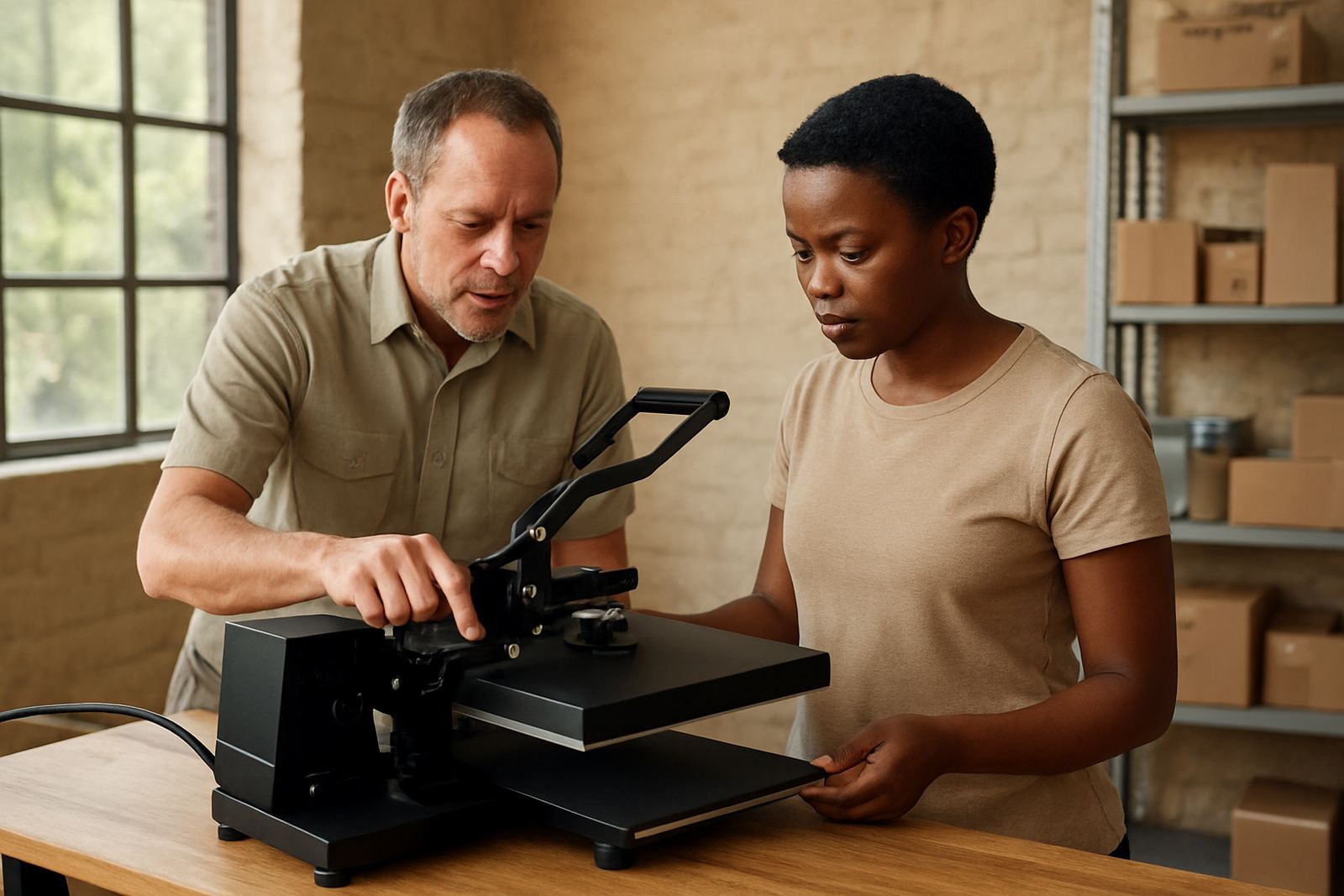
New press setup starts with positioning the unit, checking level placement and confirming the controller settings before the first run. Riaan Ferreira and the technical team work through temperature checks, pressure adjustments and a test press so you can see how the machine behaves with your own transfer stock. This is where many small problems get caught early, like uneven pressure, a loose element or a reading that needs calibration.
We also check whether your table, cable run and working height are suitable for regular use. If your shop has limited power during load-shedding, we can discuss a realistic workflow so you are not trying to heat a press when your inverter or generator cannot carry the load. That kind of planning saves time later.
- Allow space for opening the press fully
- Keep the area clear of flammable items and loose rolls
- Run a test on your actual garment and transfer paper
- Record your working settings for repeat jobs
How operator training is done for new staff or owners
Training is practical and straightforward. Kelebogile Mabena runs operator training for owners, new staff and side-hustle printers who need to get consistent results without wasting blanks. We cover basic machine care, setting temperature and pressure, loading garments correctly, timing each cycle and spotting signs that a press needs attention.
The aim is to help you avoid common mistakes such as overheating transfers, pressing on moisture or using too much pressure on thin fabric. We can also show your team how to keep a simple log of settings for different jobs, which is especially useful when more than one person runs the machine. A short session often prevents a lot of presss-related waste later.
- How to set temperature and time for repeat jobs
- How to line up transfers and avoid ghosting
- How to clean the platen and protect the pad covering
- When to pause production and contact technical support
Which support services help keep production moving
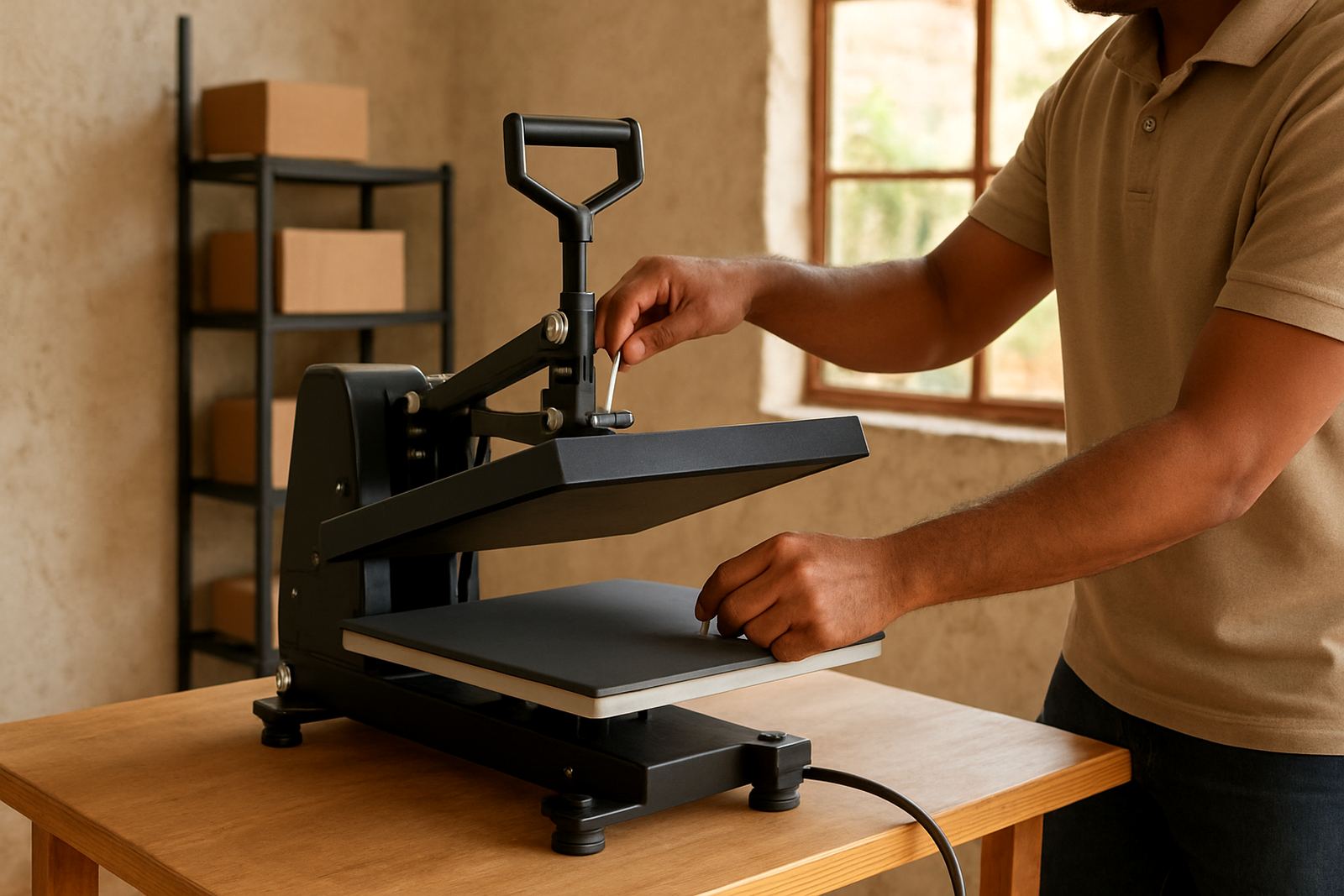
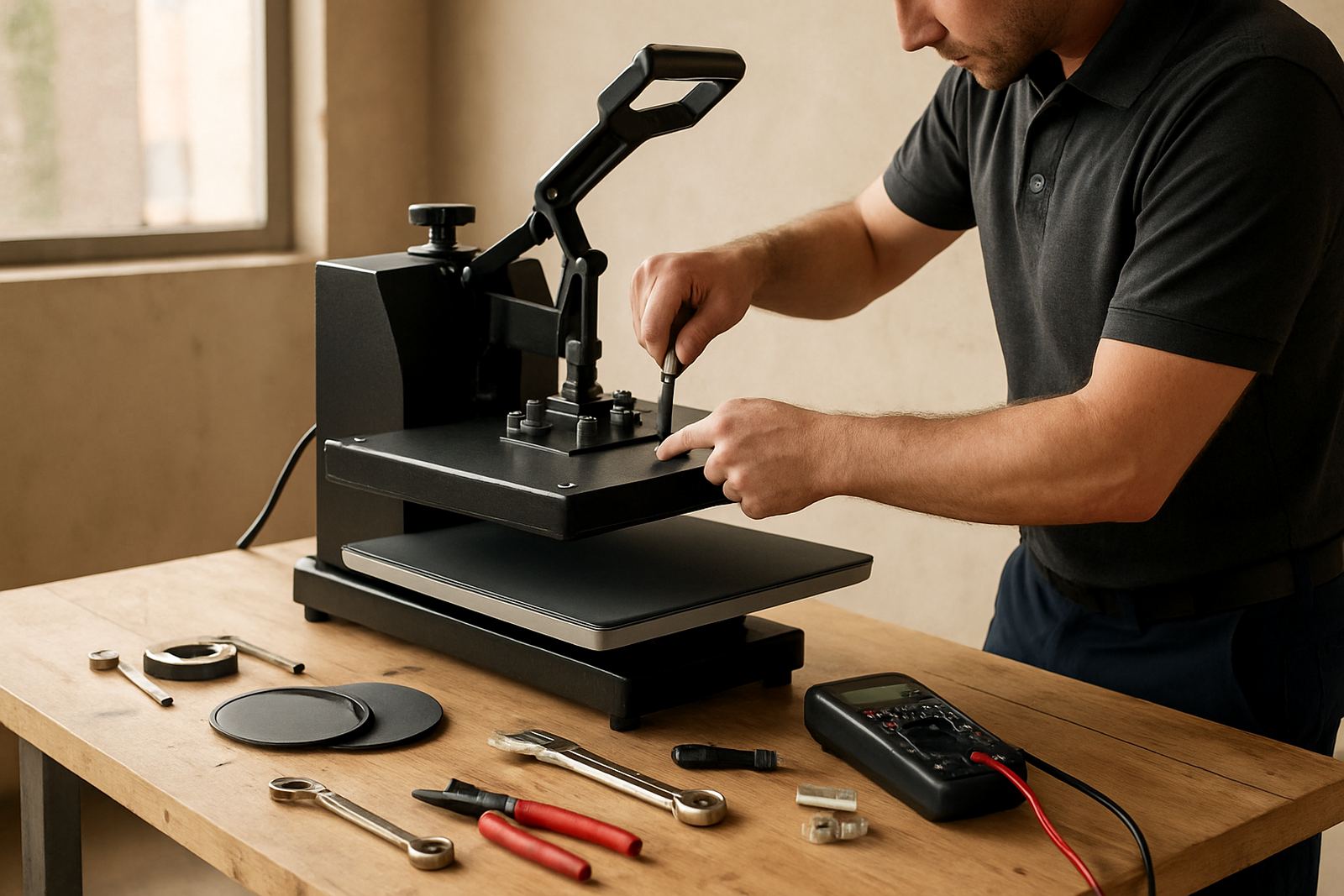
Our support covers the parts of the machine that most often affect output. That includes temperature checks, pressure adjustments, element replacements, controller repairs, pad and covering replacement, pneumatic line service for air-assisted units, preventive servicing and spares supply. If a machine is down and you need to keep printing, ask about loan unit support where available.
For shops in busy areas such as Johannesburg, Pretoria and Durban, regular servicing is worth doing before a breakdown stops production. Small issues can grow quickly, especially when a press is used all day, every day. A damaged controller or a worn pad can lead to poor adhesion, uneven finish and wasted stock. Keeping the machine in good order is usually cheaper than trying to recover after a failure.
- Preventive servicing helps avoid surprise downtime
- Spare parts are easier to plan than emergency repairs
- Loan units can help cover urgent jobs
- On-site checks are useful when the machine is part of a production line
How to get help fast when something is not right
If your press is not heating properly, pressing unevenly or showing controller faults, start by noting the model, the symptoms and when the problem began. Then use the enquiry form on our contact page so the support team can respond with the right next step. Nandi Dlamini coordinates customer support and will route the query to the right person, whether it is Riaan for technical checks, Ridwaan for workshop work or Willem for logistics.
Before you send a unit in, switch it off, let it cool fully and remove any loose accessories. If you are in a rush and the machine is needed for paid work, say so clearly. That helps us decide whether a phone check, spare part, repair or collection is the quickest path. Clear information saves time and avoids back-and-forth.
- Write down the fault message if there is one
- Include a photo if the issue is visible
- Say whether the fault is constant or comes and goes
- Tell us if the machine is still under recent service work