
When a heating element needs replacing
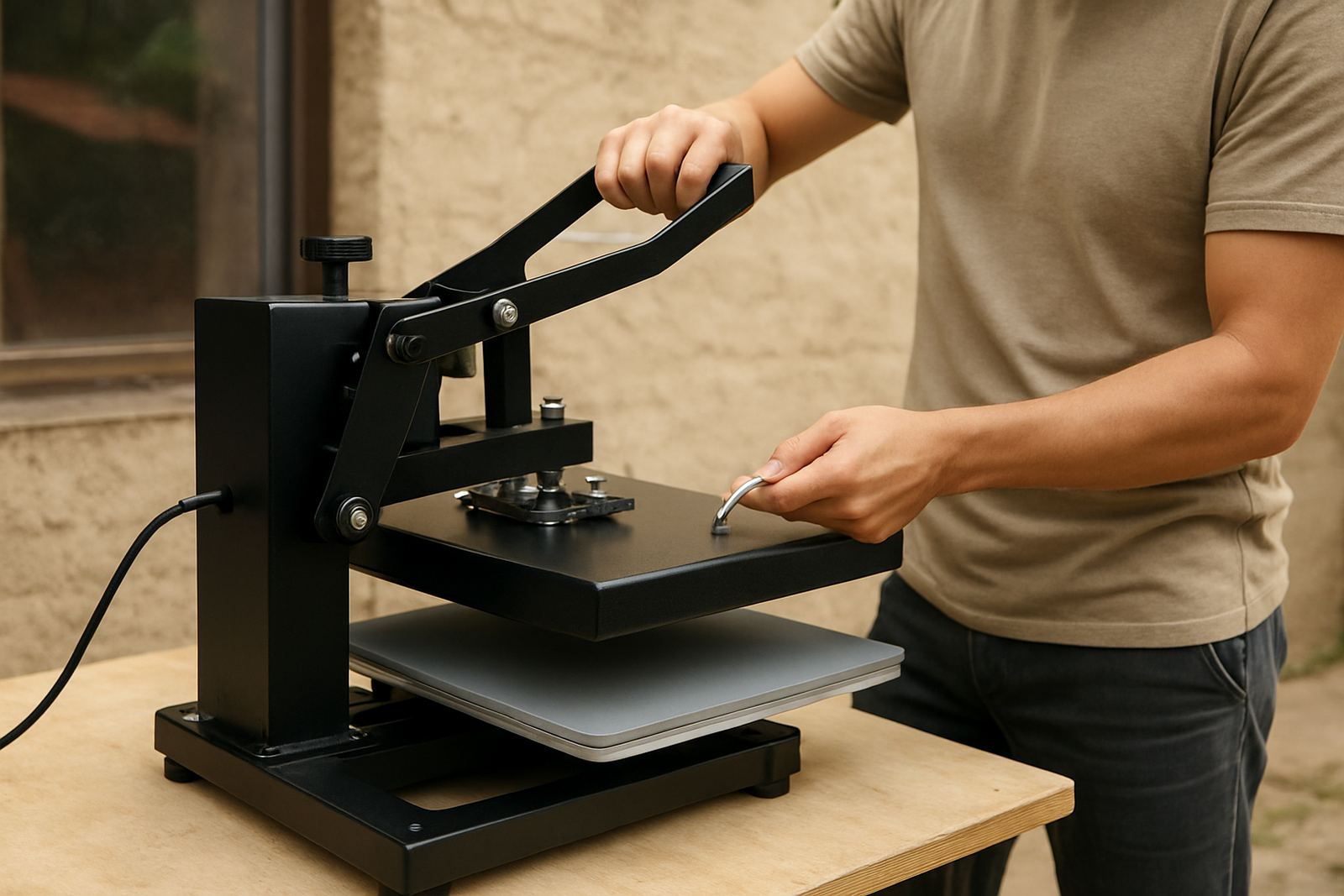
A flat press element works hard every day, especially in busy print rooms where the machine is opened and closed hundreds of times. Over time the plate can heat unevenly, develop cold spots, take longer to reach temperature, or stop heating altogether. In some cases the press still switches on but cannot hold a steady setting, which leads to poor transfer bond and wasted blanks.
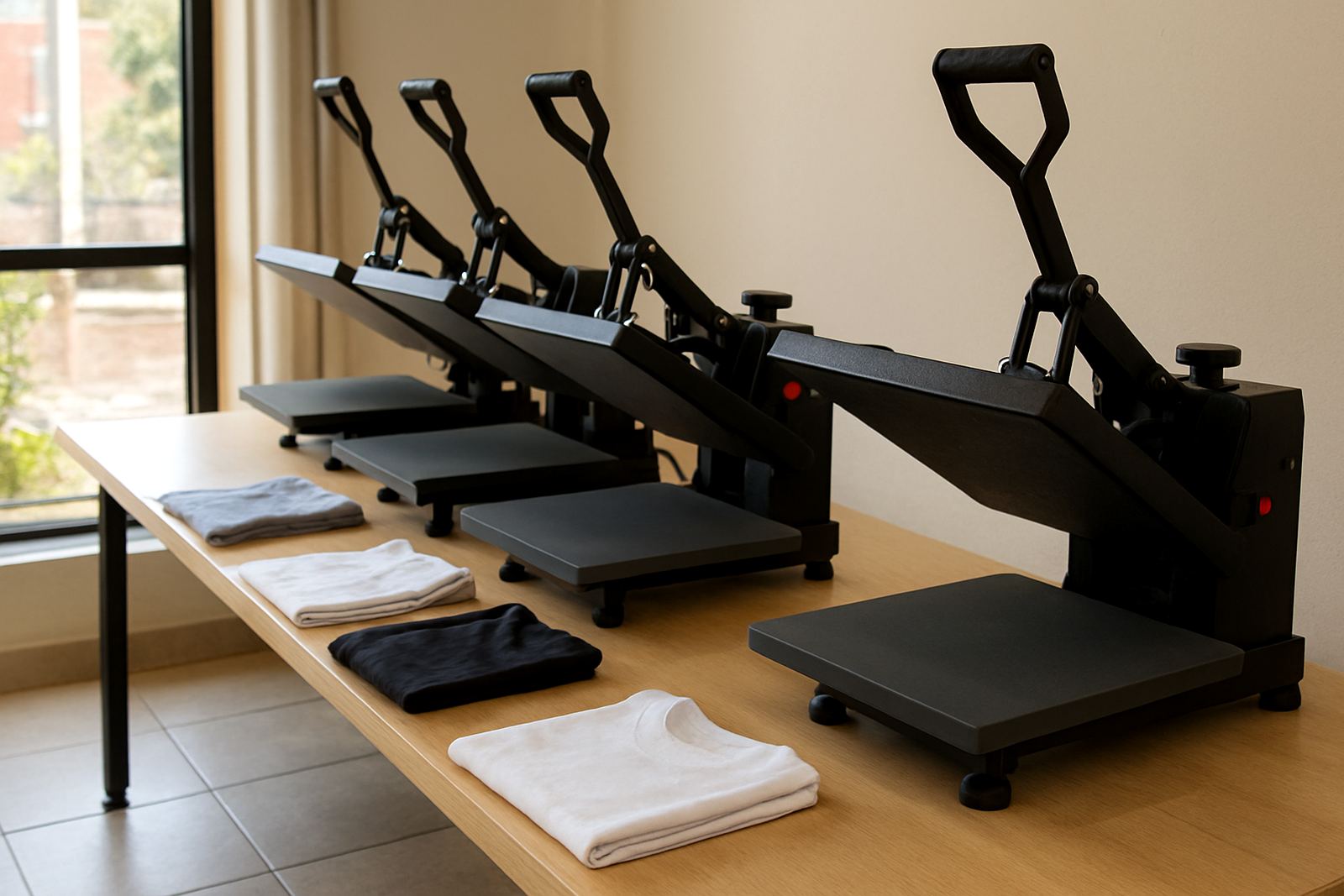
We replace heating components on supported flat presses used for t-shirts, tote bags, fabric panels and transfer work. If your unit is struggling after a power cut, showing uneven readings, tripping the supply, or running hotter on one side than the other, it is worth having it checked before the fault spreads to the controller or wiring.
Common signs include scorch marks, slow warm-up, cracked insulation, burnt terminals and a strong electrical smell. If the platen has been patched before or the wiring has become brittle from heat and age, a proper replacement is usually the safer choice.
What our element replacement service includes
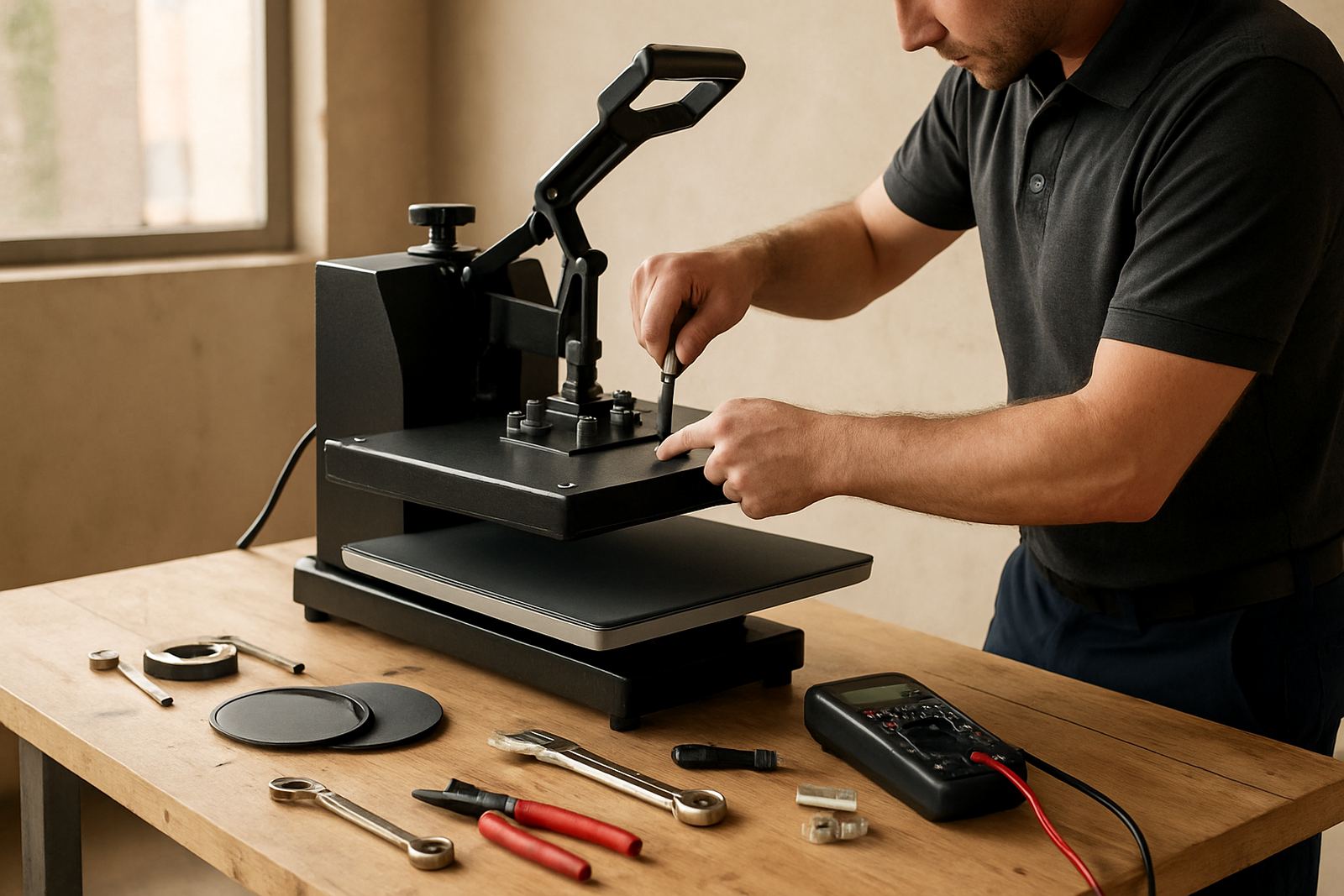
Our service covers the full replacement of the heating component, along with the checks needed to make sure the press returns to reliable working order. We work on supported flat presses used by small decorators, home operators and commercial print shops, including manual and pneumatic models.
- Fault finding and visual inspection of the platen, wiring and insulation
- Removal of the failed heating element and related damaged fittings
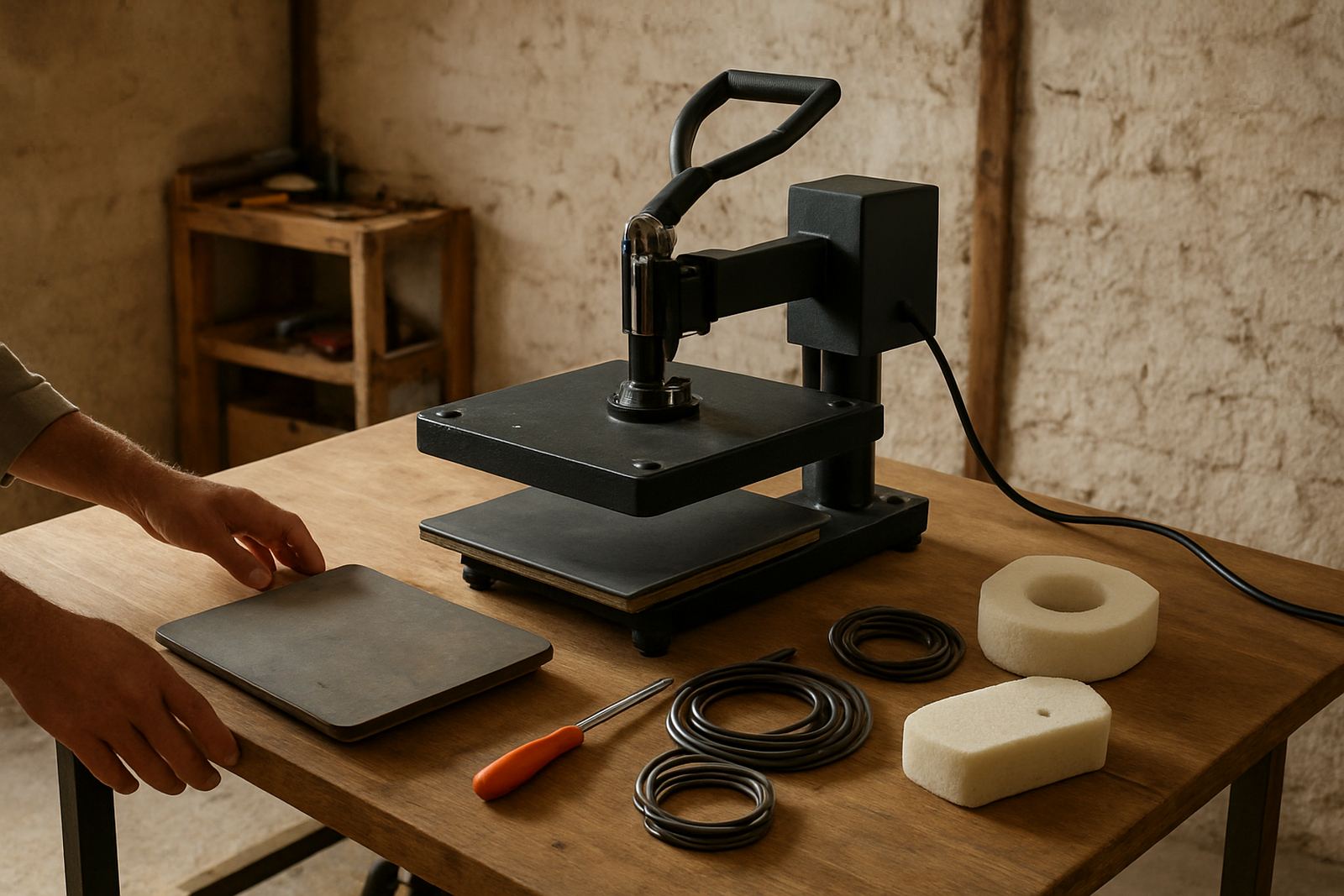
- Supply and fitment of a matched replacement element where available
- Terminal cleaning, re-termination and heat-safe cable checks
- Temperature verification across the plate surface
- Pressure check and basic mechanical inspection after refit
- Test cycle before the unit is released
If the fault is not limited to the heater itself, we will advise on any extra parts required before work continues. That keeps the repair honest and avoids paying twice for the same job.
Our replacement process from diagnosis to test press
Most element replacements start with a callout review or a couriered machine assessment, depending on where the press is located. For clients in Johannesburg, Pretoria, Midrand, the East Rand and West Rand we can usually arrange practical next steps quickly. For Durban, Cape Town, Bloemfontein and other areas, the unit can be sent in for workshop work or assessed against supplied photos and fault notes first.
- Step 1: We confirm the press model, size and fault symptoms
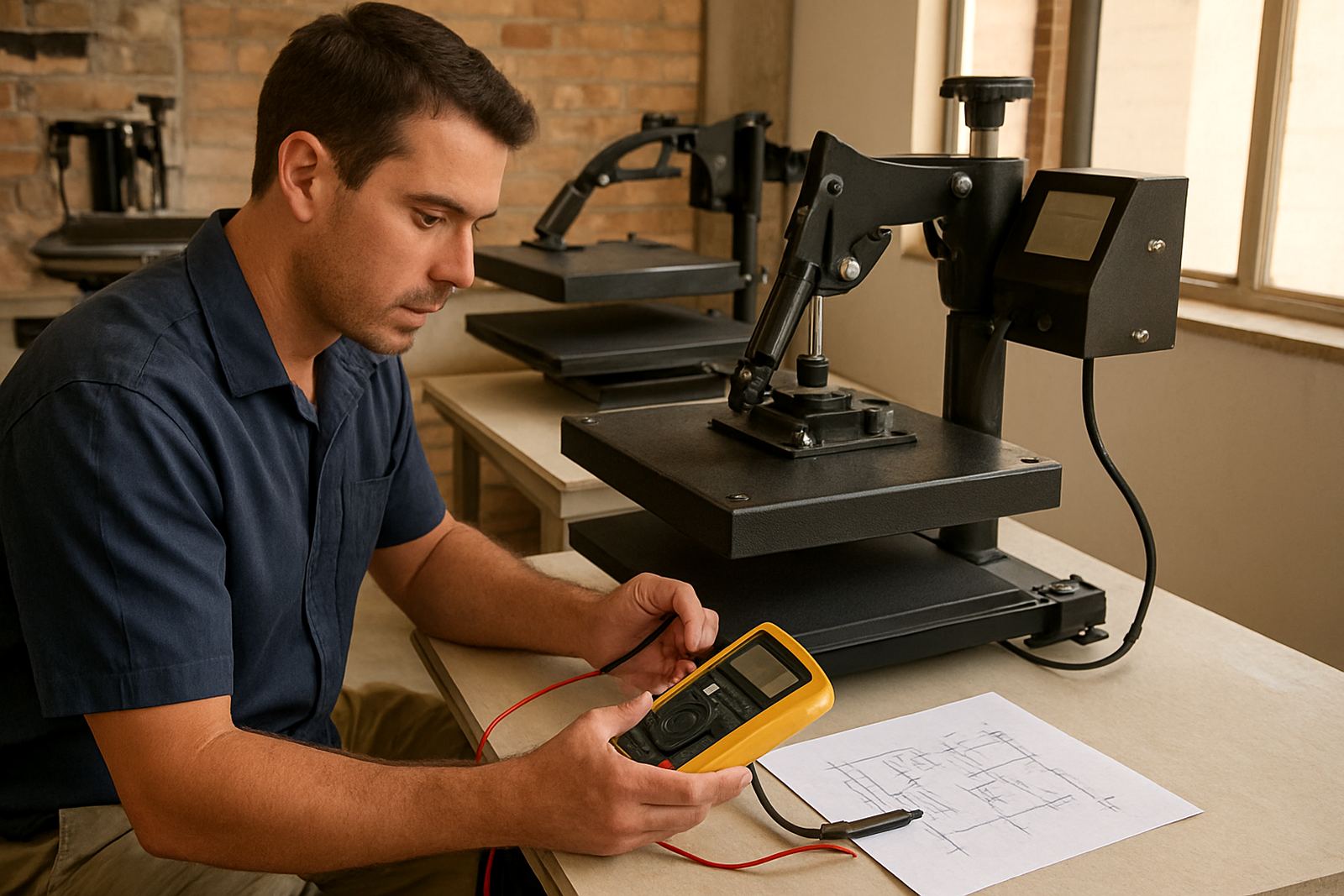
- Step 2: We inspect the heater, thermostat readings and wiring condition
- Step 3: We quote the job with the correct parts and labour
- Step 4: We remove the failed component and fit the replacement
- Step 5: We test heat-up time, surface spread and stability
- Step 6: We hand back the machine with usage notes if needed
Where the press has been running in a dusty workshop or near coastal humidity, we also check for corrosion at terminals and signs of moisture damage. That extra attention can prevent repeat failures and keep the machine working longer.
Turnaround times and support after fitment
Turnaround depends on the press type, the condition of the wiring and whether the correct heating element is immediately available. Simple replacements can often be handled quickly once the machine is in the workshop, while older units may need additional checks before we close the job. If a controller repair or pressure adjustment is needed at the same time, we will combine the work where practical so you do not lose more production time than necessary.
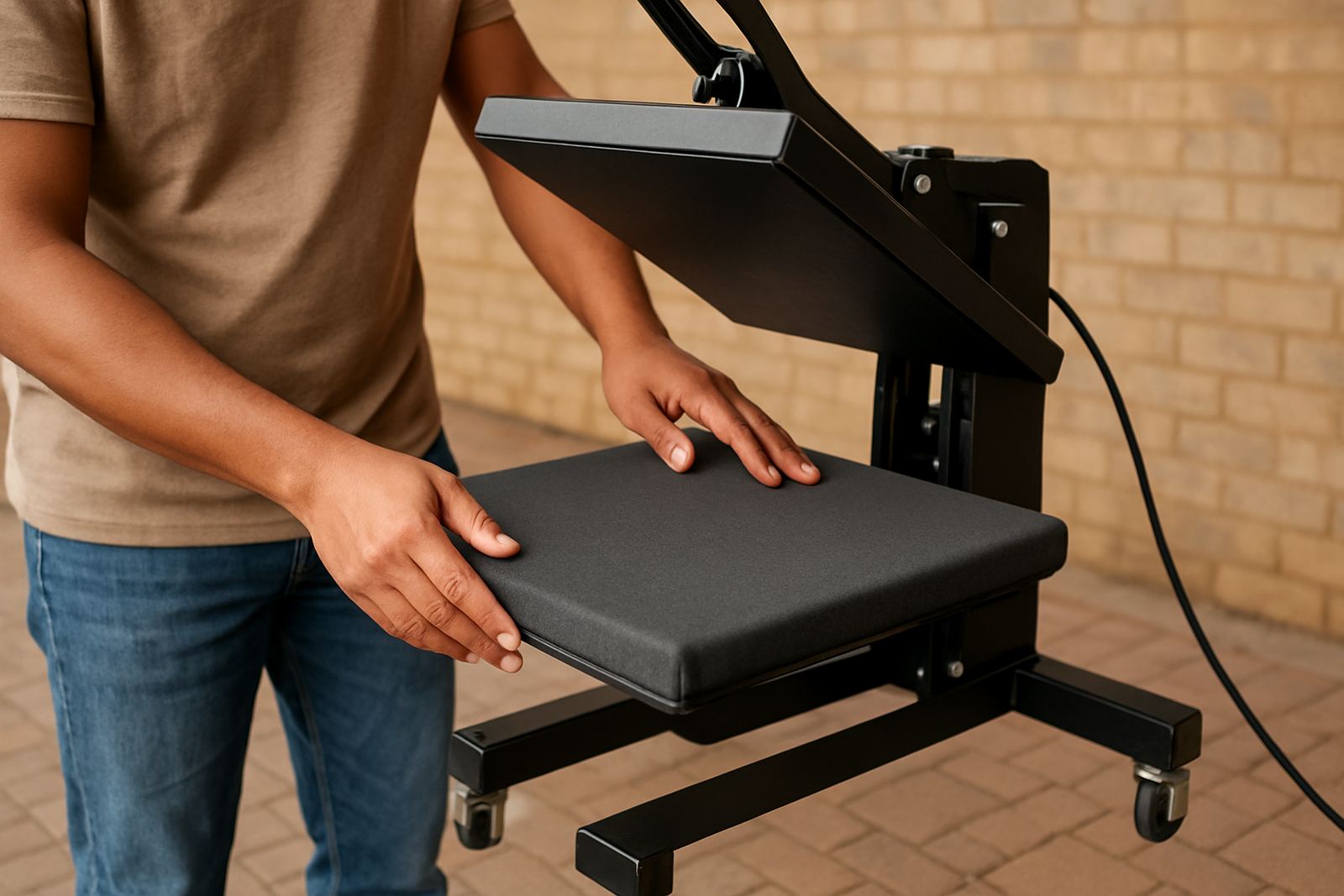
After fitment we test the press at working temperature and confirm that the heating pattern is even enough for transfer work. We also look at the condition of the pad covering, because a damaged lower pad can make a good heater seem faulty by creating poor contact. If the machine is used daily, we can advise on a sensible service interval so the new element is not overworked.
For customers in busy production rooms, loan unit support may be available on a case by case basis while the repair is in progress. This is especially useful when deadlines are tight and the press is central to daily output.
Pricing approach and what affects the quote
We price element replacements according to the machine size, the type of heating component, the condition of the existing electrical parts and whether any extra labour is needed. A straightforward swap on a common flat press is priced differently from a repair where the plate has heat damage, broken terminals or a controller fault as well. We do not guess at costs before seeing the machine or getting enough detail to assess it properly.
The main cost drivers are the platen size in millimetres, the press voltage, the availability of the correct element, and whether we need to replace wiring, insulation or a thermostat at the same time. If the press has been modified or repaired by someone else before, that can also affect the labour time. You will receive a clear quotation before any work starts.
For clients sending units from outside Gauteng, courier handling and return transport are quoted separately where applicable. That keeps the repair cost clear from the start and makes it easier to plan around stock and seasonal demand.
Maintenance intervals that help elements last longer
Heating elements do not fail on the same schedule in every workshop, but regular checks help catch wear early. For presses used every day, a basic inspection every 6 to 12 months is sensible. Heavy use, poor ventilation and frequent power interruptions can shorten that interval. In coastal areas, humidity can also speed up corrosion if the machine is stored badly or not cleaned down after use.
- Keep the platen clean and free of adhesive build-up
- Avoid running the press at temperatures above the transfer spec for long periods
- Let the machine warm up fully before production starts
- Check cables, plugs and sockets for heat marks or looseness
- Do not ignore a slow warm-up or uneven heat pattern
- Schedule preventive servicing if the machine is used for long shifts
If you print in a small studio, on a home setup or in a busy commercial shop, the same rule applies: early attention is cheaper than a full breakdown. A quick check on the heating system can save a full day of lost work later on.
Book an element replacement with FlatPress
If your flat press is heating unevenly, tripping power, or refusing to reach temperature, send us the details through the enquiry form on our contact page. Include the press type, platen size, fault symptoms and your location so we can advise the best route for repair. Our team in Midrand supports clients in Johannesburg, Pretoria, Durban, Cape Town, Bloemfontein and surrounding areas with practical service and straightforward follow-up.
We also offer operator training, pressure adjustments, controller repairs, spares supply and preventive servicing, so if the element fault is part of a bigger issue we can look at the full machine instead of only the symptom. That saves time and helps the press stay in service longer.
Key facts
| Supported press types | Manual and pneumatic flat heat presses for t-shirts, transfers and fabric work |
|---|---|
| Common platen sizes | From compact benchtop-size units up to large-format platens |
| Voltage ranges | Single-phase workshop supplies and selected higher-load units |
| Service scope | Diagnosis, element removal, replacement, wiring checks and heat testing |
| Typical turnaround | Varies by fault and parts availability, with workshop jobs often handled faster |
| Maintenance interval | Inspection every 6 to 12 months for regular-use machines |