Twin-platen pressing for higher daily output
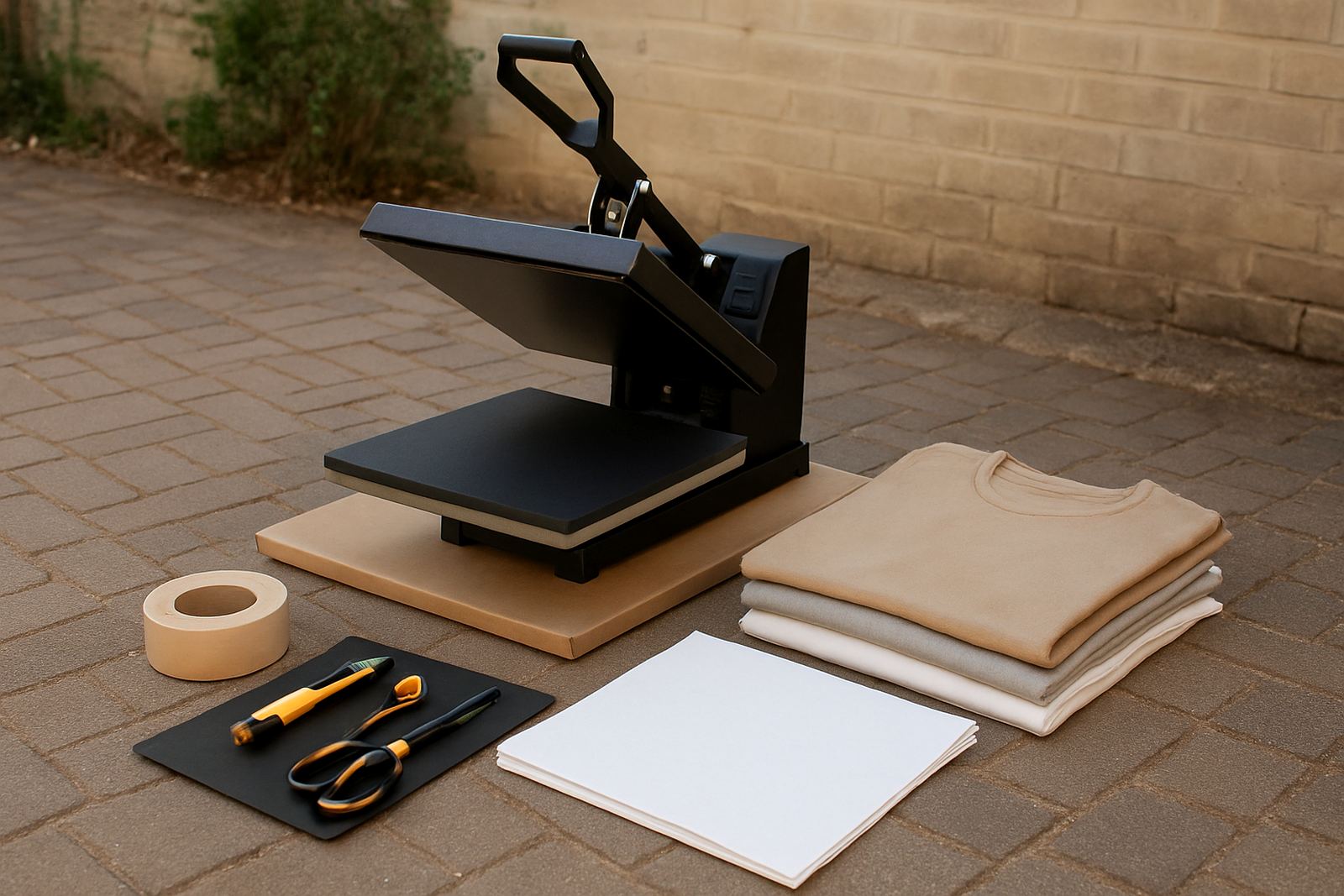
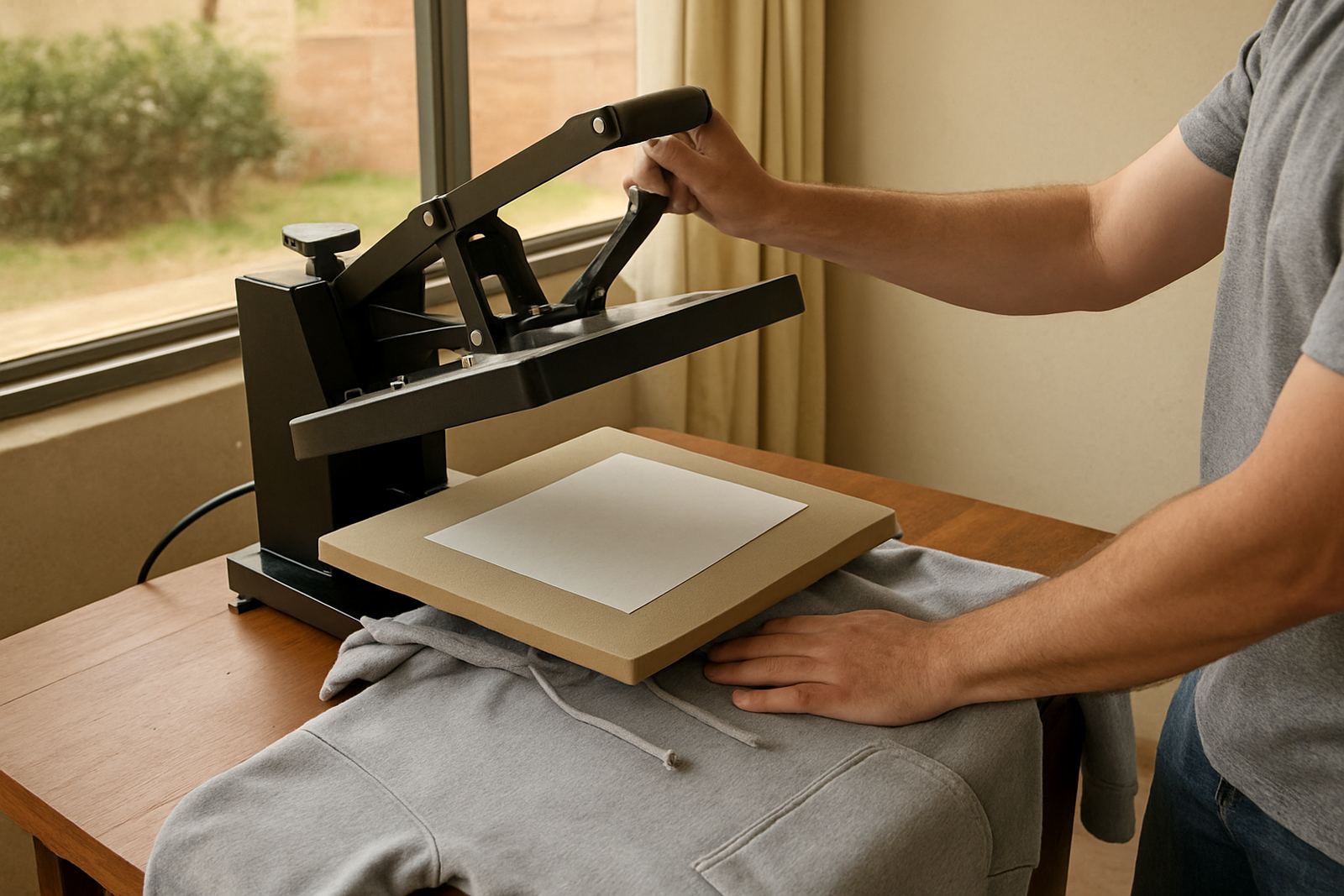
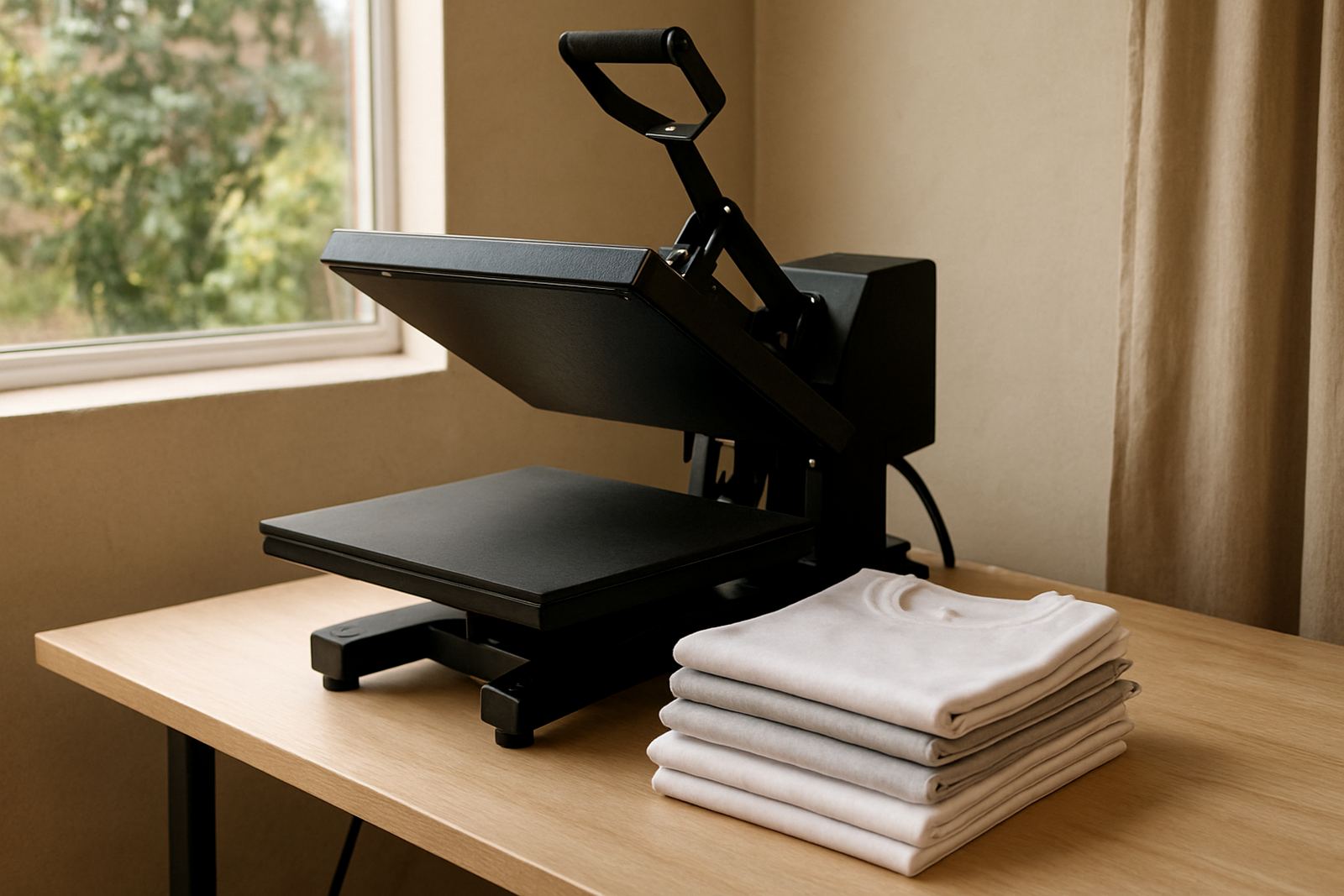
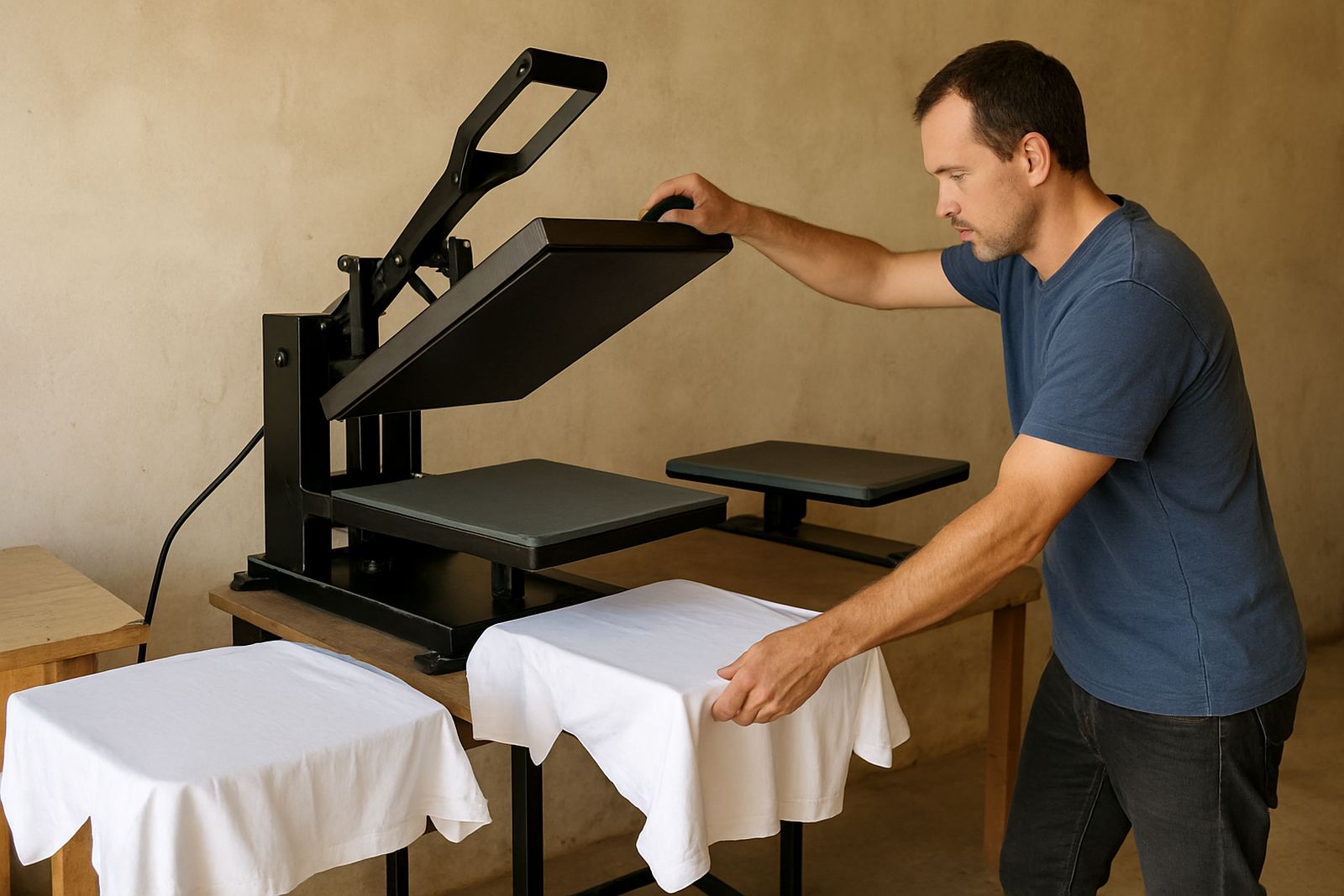
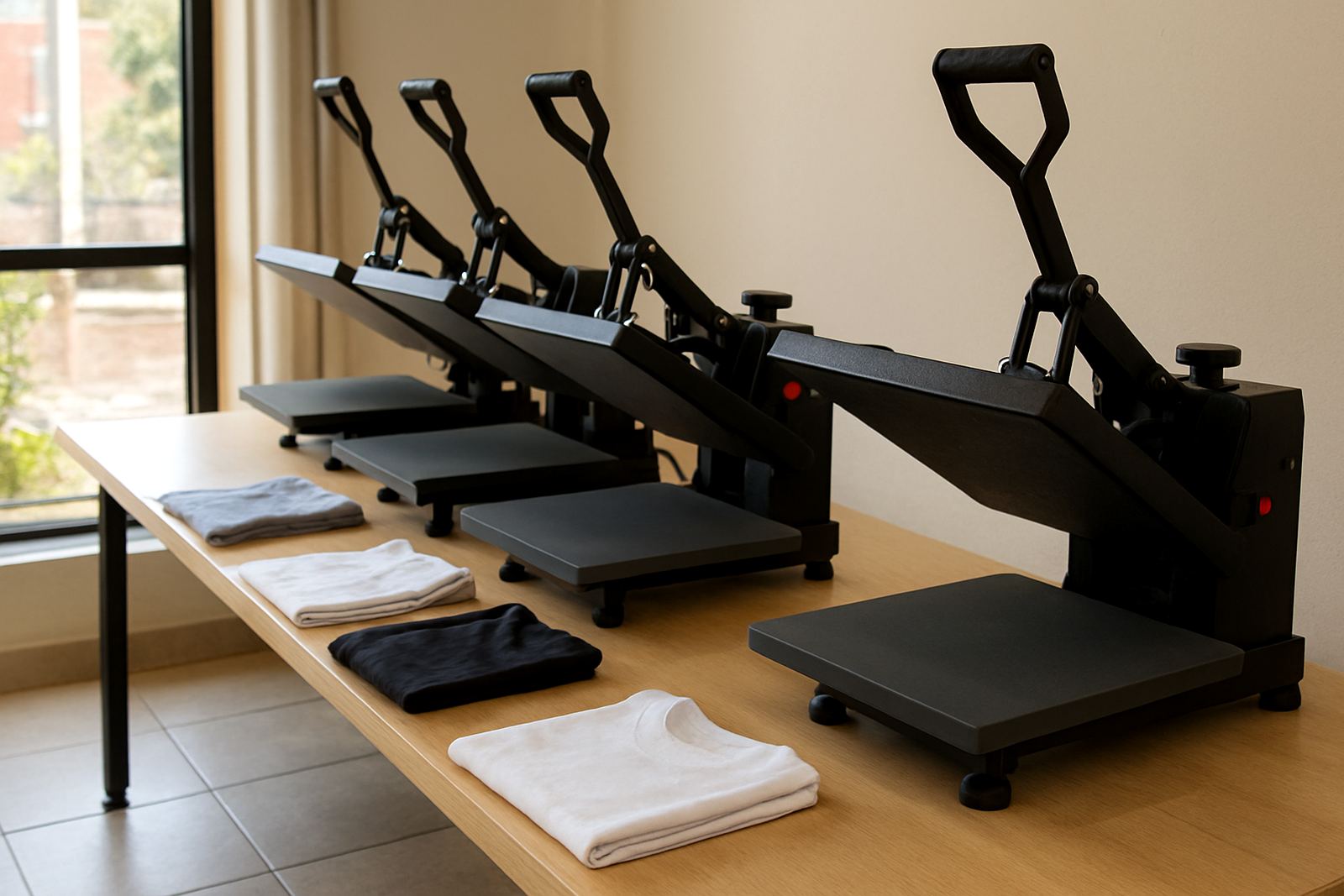
The Dual Platen Manual is built for shops that need steady throughput on transfers, vinyl work and general garment decoration. With two lower platens, the operator can prep the next shirt while the first garment is pressing, which keeps the workflow moving on busy days. For a small studio in Midrand, a garage setup in Pretoria, or a growing print room in Johannesburg, that extra station can make a noticeable difference to hourly output.
Because it stays manual, there is no need for compressed air, solenoids or a compressor line. That makes it easier to place in shops where space is tight, power is limited, or load-shedding backup is already doing enough work. Many customers choose this style when they want more production than a single-platen unit, but do not yet need a pneumatic press.
- Two lower platens for alternating workflow
- Manual closing and opening action
- Suitable for transfers, heat applied vinyl and general garment work
- Good for small to medium batch runs
Sizes and platen options for different garment work
Dual platen manual presses are commonly supplied in a few practical sizes, depending on the garments you handle and the space on your bench. A 38 x 38 cm platen suits standard T-shirts and small transfer jobs. A 40 x 50 cm or 40 x 60 cm option gives more room for larger prints, long placement marks, and adult garments with wide chest artwork. Some workshops prefer one main platen and one slightly smaller platen for mixed work, which helps when you are doing childrenswear and adult shirts on the same day.
Platen coverings and pad condition matter just as much as the press size. A soft, even pad gives cleaner pressure on seams and uneven hems, while a harder surface can help with crisp transfer work. If your work includes polyester sports shirts, thicker hoodies or workwear, it is worth checking that the lower platen height and surface finish suit those garments. A press can look the same from the front, yet perform very differently once you start running production.
- Common platen sizes include 38 x 38 cm, 40 x 50 cm and 40 x 60 cm
- Optional interchangeable lower platens may suit mixed garment sizes
- Padding and cover material affect finish quality and pressure balance
- Best choice depends on artwork size, garment mix and bench space
Where this press suits best in South African shops
This model suits small garment decorators, schoolwear printers, hobby users and established print shops that want a dependable second press line. It is especially useful where work comes in batches and the operator is doing setup, pressing and packing in the same area. In places like Midrand, the East Rand and the West Rand, many businesses use this type of machine for short-run orders, branded event shirts and repeat transfer work. It also works well for couriers in and out of the building because it packs into a workflow that is simple to explain to new staff.
For coastal areas such as Durban and Cape Town, the main advantage is still the same, but good storage and regular cleaning matter more because humidity can affect transfer materials and electrical contacts over time. In dry inland conditions, the press still benefits from a stable table, level floor and a clear space around the operator. It is not only about the machine, but how the machine fits the room.
- Small shops needing more output without compressed air
- Training rooms, schoolwear decorators and side-line businesses
- Production areas with one operator handling loading and packing
- Useful for Johannesburg, Pretoria, Durban, Cape Town and Bloemfontein supply by courier
Installation, power and day-to-day setup needs
Installation is straightforward, but it should still be done properly. The press needs a stable, level surface and enough clearance for the swing, slide or dual-station movement used by the frame. Most manual twin-platen presses run from standard mains power for the heater and controller, so the main point is to confirm the supply voltage, plug type and total current draw before delivery. If your shop uses backup power during load-shedding, that system should be checked against the press heater load before first use.
There is no gas requirement. The machine is electric only, with no air line, compressor or pneumatic service to plan for. That makes it a strong option for units in light industrial parks, upstairs workshops and smaller retail back rooms where running an air system would be awkward or costly. We can assist with setup, temperature checks and pressure adjustment so the first jobs are not guesswork. A press that is installed flat and set to the right temperature saves a lot of rework later on.
- Needs stable mains power and a level working surface
- No compressor or air line required
- Check current draw for inverter or backup supply use
- Allow safe clearance for platen movement and operator handling
Care, servicing and spare parts that keep it working
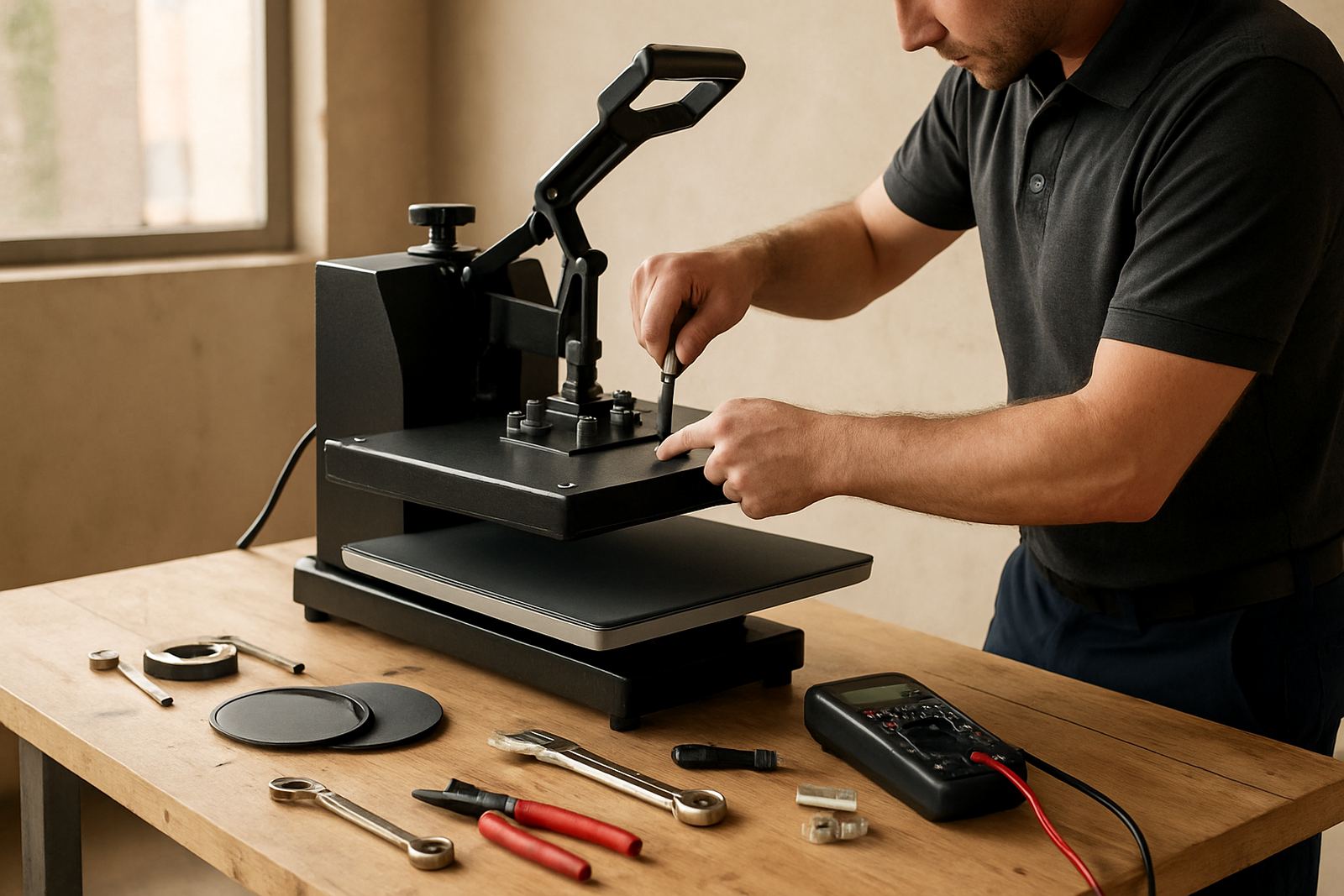
Like any heat press, a dual platen manual machine needs regular checks if you want consistent temperature and pressure. The platen cover should be inspected for scorch marks, flattening and adhesive build-up. The silicone pad underneath should not be permanently compressed, because that changes the pressure across the garment. Temperature drift, tired wiring and loose fittings can all show up slowly, then suddenly cause poor transfers or uneven bonding.
Routine servicing normally includes temperature checks, controller inspection, element testing, hinge or frame lubrication where needed, and pressure adjustment. If the press starts to cool unevenly or takes too long to recover between cycles, the heating element or controller may need attention. Our workshop team can supply spares, fit replacement parts and assist with phone tech support when the machine is still running but not quite right. On a busy week, that kind of support can stop a small problem from becoming a full day loss.
- Check platen covers, pads and surface evenness regularly
- Watch for temperature drift and slow heat recovery
- Schedule preventive servicing before peak seasons
- Keep spare covers, controllers and elements where production cannot wait
What to confirm before ordering this press
When ordering a Dual Platen Manual, start with the work you do most often. Confirm garment sizes, artwork dimensions, whether you are pressing on cotton, polyester or blended fabric, and how much table space you have available. It also helps to know whether you want one large and one smaller platen, or two matching platens for equal-volume work. If the press will sit in a shop with limited power backup, mention that early so the correct electrical setup can be planned from the start.
You should also check the controller style, the frame movement, and whether you need extras such as interchangeable lower platens, a better cover set, or a backup unit arrangement for busy periods. If staff will be trained on the machine, we can plan setup and operator training together. That saves time and reduces errors on the first production run. A few careful checks before dispatch often avoids a lot of trouble after delivery, especially when the machine is going to a fast-moving shop in Gauteng or sent nationwide by courier.
- Confirm garment type, artwork size and daily output target
- Check available floor space and power backup capacity
- Decide on platen sizes and any interchangeable options
- Ask about training, spare parts and service support at the same time
Key facts
| Machine type | Manual twin-platen flat heat press |
|---|---|
| Typical platen sizes | Platen sizes: 38 x 38 cm, 40 x 50 cm and 40 x 60 cm |
| Power requirement | Electric mains supply for heating and control |
| Air requirement | None, no compressor or pneumatic line needed |
| Best suited for | T-shirts, transfer work, vinyl and general garment pressing |
| Support available | Setup, training, temperature checks, pressure adjustments, spares and servicing |